
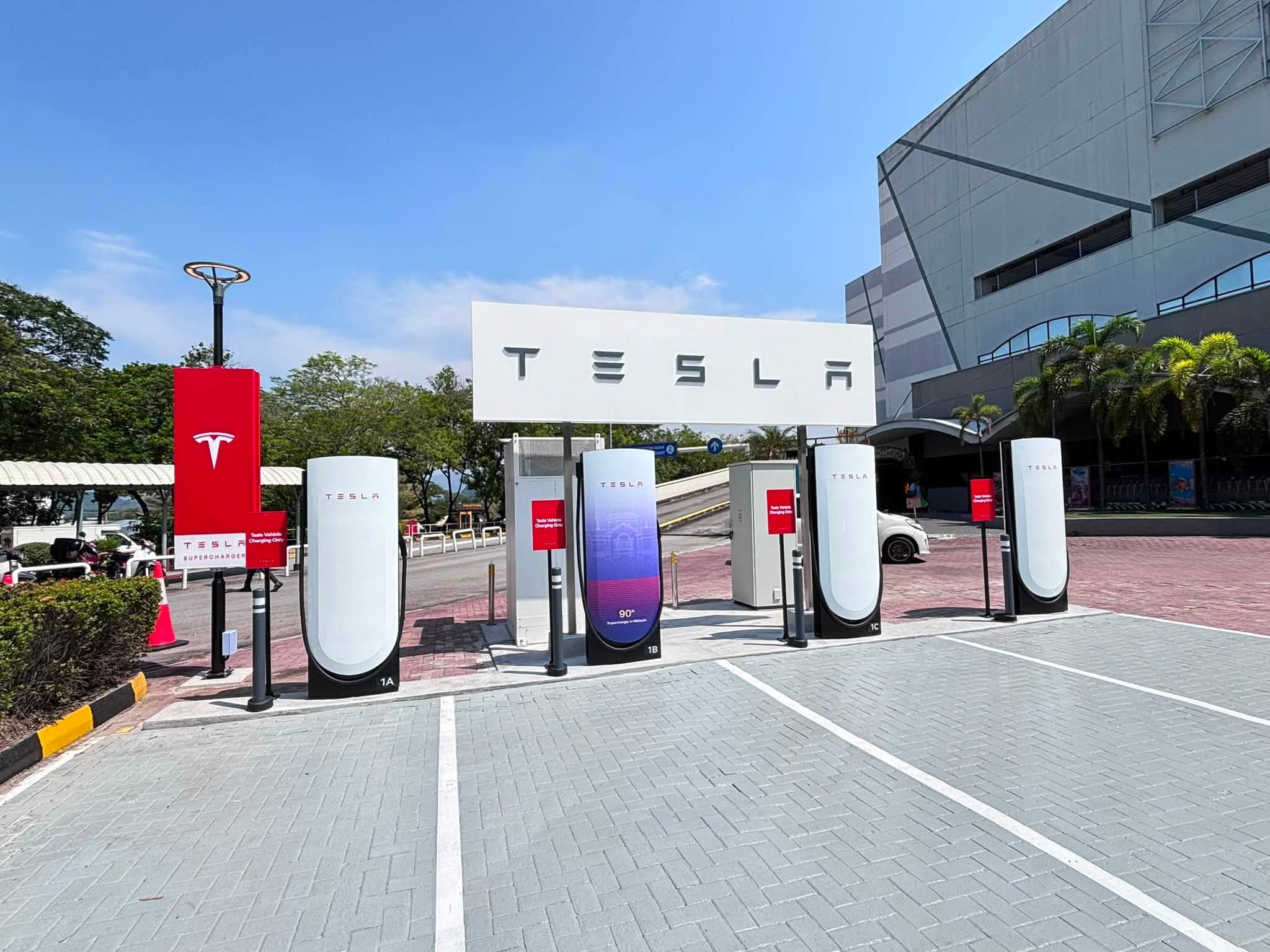
Why a New Charger Matters to Your Business
If you run a shop, café, service centre, clinic, hotel, or office in Ipoh, you may be watching customer habits change without having enough time to study every technology trend. One example is the arrival of Tesla Supercharger facilities at AEON Mall Kinta City. The site has four EV charging bays, according to SoyaCincau.
You may not own an electric vehicle, and your business may not be planning to install chargers immediately. Even so, this development gives you a useful signal: customer journeys are becoming more connected to charging, parking, shopping, dining, and service experiences. A driver who needs time for a charge may look for a nearby place to eat, work, browse, or complete an errand.
TL;DR: EV charging can create longer customer dwell time and new partnership opportunities for Malaysian SMEs. You can prepare by improving location information, customer service, digital receipts, booking workflows, and promotions without making EV infrastructure your first priority.
What This Means
A Supercharger is a high-speed electric vehicle charging facility designed to help drivers replenish their vehicle battery during a journey. The new Ipoh location at AEON Mall Kinta City includes four charging bays, as reported by SoyaCincau.
For a business owner, the important point is not only the charger itself. It is the waiting period created around the charger. Drivers may spend that time inside the mall, at a restaurant, in a café, or handling other tasks nearby. This creates a practical opportunity for businesses that are easy to find, quick to serve, and prepared to communicate digitally.
Think of EV charging as part of a wider customer ecosystem. A driver arrives, connects the vehicle, checks the charging status, and decides what to do next. If your business appears clearly on maps, responds quickly to enquiries, accepts convenient payment methods, and offers a simple experience, you have a better chance of being included in that decision.
The business opportunity is not “selling electricity”; it is helping customers use their waiting time well.
How This Applies to Malaysian SMEs
1. Food and beverage businesses can design for waiting customers. If you operate a café, bakery, restaurant, or kiosk near AEON Mall Kinta City, consider how an EV driver might discover you while charging. Your Google Business Profile should show accurate opening hours, location details, menu information, contact channels, and recent photos. A customer who has only a short break will usually choose a business that is easy to understand before walking over.
You can also review your ordering process. A QR-code menu, clear table-number instructions, digital ordering, and reliable takeaway preparation can help customers fit a meal into their charging stop. Avoid making promises about exact charging duration unless you have a dependable basis for doing so. Instead, focus on predictable service: tell customers how long food preparation normally takes and provide a clear way to check their order.
2. Retail and personal services can turn dwell time into visits. A driver waiting for a charge may be willing to browse retail goods, visit a pharmacy, pick up household items, or arrange a grooming appointment. If you run a salon, repair counter, mobile accessories shop, or specialty retailer, make your location and service steps visible online. A customer should be able to answer three questions quickly: where are you, what do you provide, and how can they contact you?
For appointment-based businesses, digital booking can be especially useful. You can let customers select a service, receive confirmation, and get reminders without requiring multiple phone calls. This is not limited to EV drivers. The same workflow helps ordinary mall visitors and nearby residents, so your improvement can support the wider customer base.
3. Hotels, offices, and property operators can prepare for EV visitors. If you manage a hotel, homestay, office building, or serviced residence in Ipoh, guests may increasingly ask about nearby charging facilities. You do not need to claim that your premises has a charger if it does not. Instead, provide accurate directions to nearby facilities, explain parking arrangements where relevant, and train your front desk or admin team to answer common questions consistently.
You can also record EV-related enquiries. Track how often guests ask about charging, whether they ask before booking, and which nearby locations they mention. This gives you evidence for future decisions. A simple spreadsheet with enquiry date, customer type, requested information, and outcome may be enough to identify a pattern.
4. Delivery and field-service businesses should plan around vehicle changes. If your company sends staff across Perak for maintenance, sales visits, cleaning, installation, or technical support, EV charging may affect route planning in the future. Even if your fleet currently uses petrol or diesel vehicles, you can start by recording travel distances, stop durations, and frequently visited areas. Better scheduling reduces idle time for any vehicle type.
For small teams, shared calendars and route checklists can prevent two staff members from making overlapping trips. A central record of customer locations, appointment windows, and service notes also makes it easier to adjust operations when vehicle requirements change. The key is to build organised processes before your fleet grows more complex.
A Simple Business Readiness Checklist
Use the following checklist to prepare your business for customers who plan their journeys around charging stops:
- Check that your business name, address, phone number, and opening hours are correct on major map listings.
- Add clear photos of your entrance, parking access, counter, seating area, and product displays.
- Offer a simple digital contact method, such as WhatsApp Business, an enquiry form, or online booking.
- Write down standard answers for parking, walking directions, waiting times, reservations, and payment methods.
- Review whether your team can handle short, busy customer visits without confusion.
- Track enquiries that mention EV charging, mall visits, travel routes, or waiting time.
- Ask nearby partners whether a joint promotion or referral arrangement would help both businesses.
- Do not advertise charging access unless the equipment, permissions, and operating arrangements are confirmed.
Useful Numbers to Track
You do not need complicated analytics to understand whether charging-related foot traffic may matter. Start with a few operational measures:
| Measure | What to record | Why it helps |
|---|---|---|
| EV-related enquiries | Number of questions received each week | Shows whether customers are actively seeking information |
| Average service time | Minutes from order or booking to completion | Helps you serve customers with limited waiting time |
| Digital enquiry response | Time taken to reply during business hours | Reveals whether customers can get answers before visiting |
| Map listing actions | Calls, direction requests, and website visits | Indicates whether online information is guiding visits |
| Repeat visits | Customers returning after an initial stop | Shows whether the experience is useful beyond the first visit |
Keep the tracking period consistent. A four-week review can give you an initial picture, while a longer record may show differences between weekdays, weekends, school holidays, and public holidays. Avoid drawing conclusions from one unusually busy day.
Practical Takeaways for Your Next 30 Days
- Update your online listings. Confirm your address, operating hours, photos, menu or service details, and contact links.
- Walk through the customer journey. Pretend you are a visitor arriving at AEON Mall Kinta City. Can you find your business, understand what you offer, and place an order quickly?
- Improve one workflow. Choose ordering, booking, enquiries, or customer follow-up and remove one unnecessary step.
- Train your front-line team. Give staff a short script for directions, waiting times, reservations, and common questions.
- Measure demand before committing. Record EV-related enquiries and visitor patterns before making larger operational decisions.
- Build local partnerships. Speak with nearby cafés, hotels, retailers, and service providers about practical referrals.
The Bigger Picture
The Ipoh Supercharger opening does not mean every Malaysian SME must immediately install EV equipment or redesign its entire business. It does show how physical infrastructure can influence customer behaviour beyond its main purpose. A charging bay may bring people into a retail area, create a period of waiting, and shape where they eat, work, shop, or arrange services.
As more charging locations appear, businesses with accurate digital information and dependable processes will be easier to choose. This trend also rewards owners who understand customer intent. Someone stopping to charge may be looking for lunch, a restroom, a quiet workspace, a quick purchase, or a service appointment. Your job is to make the relevant option clear and convenient.
For a Malaysian SME, the sensible approach is gradual. Begin with visibility, response speed, service consistency, and basic tracking. These improvements support all customers, not only EV drivers. If your records later show strong demand, you can then consider partnerships, dedicated facilities, or other changes based on actual business needs rather than assumptions.
The four charging bays at AEON Mall Kinta City are a local development, but the lesson is broader: when new infrastructure changes where people pause, your business should be ready to become part of that pause.
Ready to Streamline Your Operations?
Your business should run itself. AutoRunBiz deploys AI agents to automate your daily operations — WhatsApp orders, invoicing, customer follow-ups, and accounting. Book a free 15-min ops audit to see where automation fits your business →