
Why EV charging should be on your business radar
If you run a café, workshop, retail outlet, office, hotel, clinic, or community facility, your customers may already be changing the way they travel. Electric vehicles (EVs) are becoming more visible on Malaysian roads, and drivers need places to charge while they work, eat, shop, pray, or take a break.
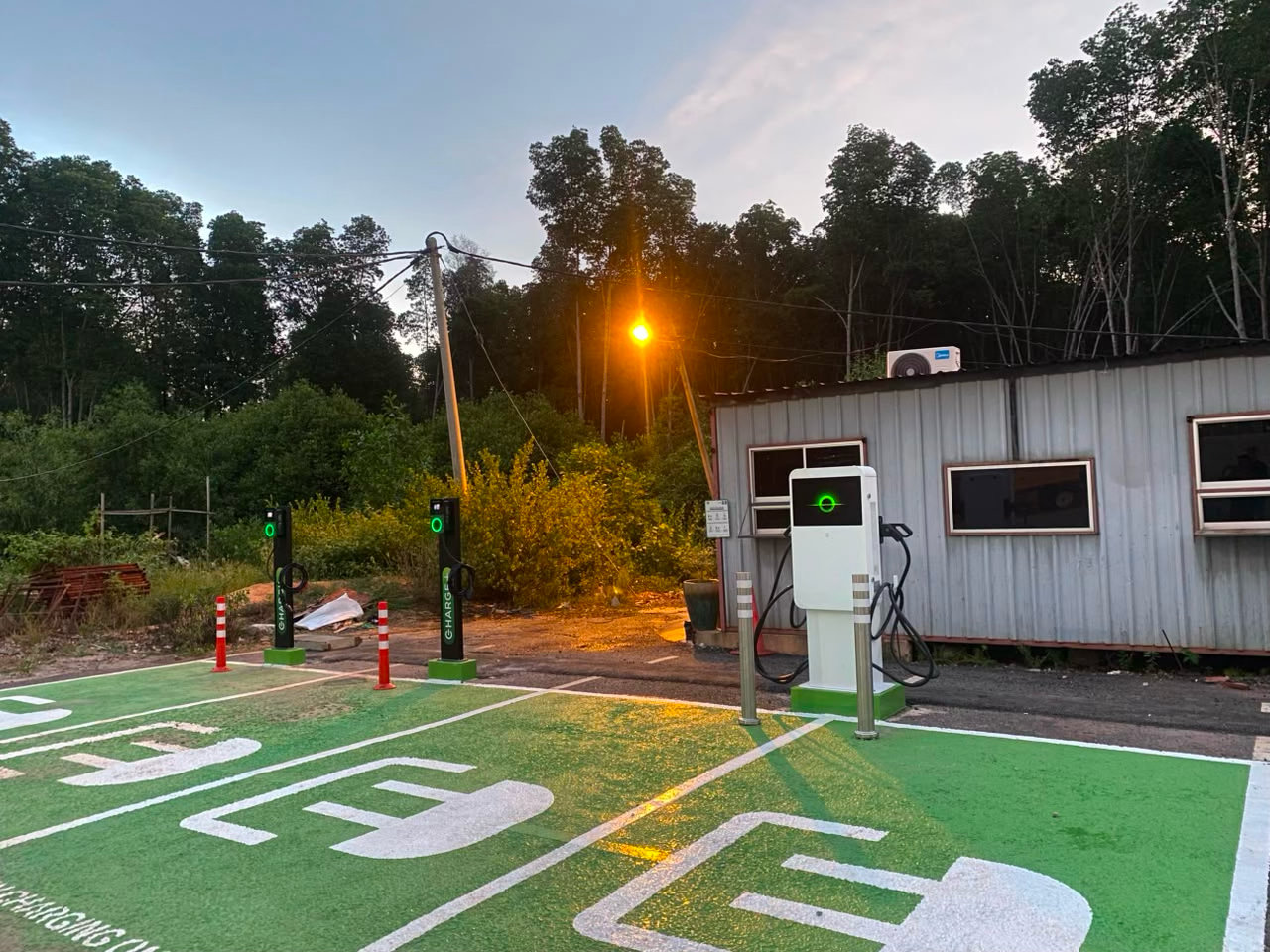
A recent example is the deployment of four EV charging bays by Charge+ at the Murtadha Dakwah Centre in Sungai Petani, Kedah. Source: SoyaCincau The important lesson for you is not simply that another charging location has opened. It is that charging is gradually becoming part of the services expected at destinations people already visit.
If you own or manage a Malaysian SME, this trend raises practical questions: Should you prepare your premises for EV users? How can you manage chargers without creating extra administrative work? What information should you collect before making a decision?
TL;DR
EV charging locations are expanding beyond highways and petrol stations into community, retail, hospitality, and commercial premises.
You do not need to install a charger immediately, but you should assess your parking demand, electrical capacity, customer profile, operating hours, and management process before competitors or landlords make the decision for you.
What This Means
EV charging works differently from a conventional fuel stop. A driver usually leaves the vehicle connected while spending time at another destination. That makes charging a useful companion service for businesses where customers already stay for 30 minutes or longer.
For example, a restaurant can serve diners while their vehicle charges. A hotel can provide charging during an overnight stay. An office can support employees who drive EVs. A shopping centre can keep visitors on site while they wait. A religious, educational, or community centre can offer an additional facility to people attending activities.
The Sungai Petani installation illustrates this destination-based approach. Four charging bays were deployed at the Murtadha Dakwah Centre, showing that EV infrastructure is not limited to major city commercial districts. Source: SoyaCincau For SMEs outside Kuala Lumpur and other major urban areas, that matters. Your location may still be suitable if it serves a regular flow of visitors and has practical parking access.
Key insight: An EV charger is not just an electrical appliance. It is a customer-facing service that needs space, access rules, maintenance, payment handling, and clear communication.
How This Applies to Malaysian SMEs
1. Retail and food businesses can turn waiting time into useful time. If you operate a café, restaurant, bakery, convenience store, or retail outlet, your existing customer dwell time may suit EV charging. A driver who needs to wait for a charge may be more likely to enter your premises, browse your products, or order a meal. The operational question is whether your parking area can reserve bays without frustrating non-EV customers.
You should observe when your car park is busiest, how long customers typically stay, and whether vehicles regularly block access. A charging bay that cannot be reached easily will create complaints. Clear signs, marked parking spaces, and simple instructions are more important than adding equipment quickly.
2. Hotels, homestays, and offices can treat charging as part of the visitor experience. A hotel guest may appreciate being able to charge overnight or during a meeting. An office can consider the needs of staff, suppliers, and visitors who drive EVs. If you manage a small business centre or serviced office, charging may also support tenants who want a more convenient workplace facility.
Before proceeding, identify who will control the bays. Will they be for guests only, employees only, or public use? Who moves a fully charged vehicle? Who responds if a connector stops working? These decisions should be written into your parking policy rather than left to informal arrangements.
3. Workshops, property operators, and service businesses need to prepare their processes. Automotive workshops may need to train staff to identify EV-related safety requirements and understand which work they can perform. Property managers should review whether the building’s electrical system, parking layout, fire procedures, and access controls are suitable. A car wash, detailing centre, tyre shop, or fleet operator may also encounter EV customers even without becoming a charging provider.
For many SMEs, the first step is not installation. It is readiness: keeping staff informed, knowing where nearby chargers are located, and being able to guide customers accurately. A simple internal procedure can prevent confusion when a customer asks about charging availability or reports a fault.
What to assess before adding EV charging
| Area to review | Questions for your business | Useful action |
|---|---|---|
| Customer demand | Do visitors already drive EVs, or are nearby businesses attracting them? | Ask customers and monitor enquiries for 30 days. |
| Parking | Can you dedicate bays without blocking deliveries or regular customers? | Map entry, exit, turning, and enforcement arrangements. |
| Electrical capacity | Can your premises support additional equipment safely? | Ask a qualified electrical contractor to inspect the site. |
| Operating model | Who manages access, faults, cleaning, and bay misuse? | Assign a named staff member and create an escalation process. |
| Customer communication | Will users understand availability, operating hours, and restrictions? | Use signs, online listings, and front-counter instructions. |
Practical Takeaways
- Start with observation. Review your parking patterns, visitor profiles, and nearby charging locations before making a commitment.
- Separate interest from readiness. Wanting to support EV drivers is not enough; confirm electrical, parking, safety, and management requirements.
- Define access rules. State whether bays are reserved for customers, tenants, staff, or the public, and explain what happens when charging is complete.
- Prepare your staff. Give employees a short FAQ covering charger availability, basic usage, contact procedures, and parking enforcement.
- Keep information accurate. Update your website, Google Business Profile, social pages, and reception materials when facilities change.
- Use simple digital records. Track faults, customer feedback, bay usage, and peak periods in one shared system rather than scattered chat messages.
- Plan for maintenance. A charger that is frequently unavailable can damage customer trust, so agree on response times and inspection responsibilities.
- Review accessibility. Consider lighting, signage, safe walking routes, weather protection, and access for customers with mobility needs.
Using automation to manage the service
Even a small charging setup can create repetitive work. Someone must check whether a bay is occupied, respond to enquiries, record faults, notify a contractor, and update the front desk. You can reduce missed follow-ups by using a simple business automation workflow.
For example, a fault report can trigger a task for the responsible employee, send an acknowledgement to the person who reported it, and create a maintenance record. A daily checklist can remind staff to inspect signs, cables, lighting, and parking access. A shared dashboard can show open issues, completed repairs, and recurring problems.
You can also connect charging information with customer service. If a visitor asks whether a bay is available, staff should have one current source of information. This is especially useful when you operate several branches or have different rules at different locations.
The Bigger Picture
The Sungai Petani deployment suggests that EV charging is spreading into places with an existing community purpose, not only specialist transport facilities. Source: SoyaCincau Over time, customers may begin to see charging availability as part of choosing where to shop, eat, stay, work, or attend an event.
That does not mean every SME should install chargers. The right decision depends on your location, customer behaviour, building constraints, and ability to manage the service consistently. However, ignoring the trend completely could leave you reacting later, when parking layouts, electrical upgrades, and customer expectations are harder to adjust.
Your best next step is a small readiness review. Speak with your landlord or building manager, inspect your parking area, consult a qualified electrical professional, and ask customers what they value. Then decide whether you should install equipment, partner with a charging operator, or simply prepare your staff and digital information first.
For Malaysian SMEs, practical preparation matters more than rushing to follow a trend. If EV charging fits naturally into the time customers already spend at your premises, it may become a useful service. If it does not, understanding the requirements will still help you make a confident decision when demand reaches your area.
Ready to Streamline Your Operations?
Your business should run itself. AutoRunBiz deploys AI agents to automate your daily operations — WhatsApp orders, invoicing, customer follow-ups, and accounting. Book a free 15-min ops audit to see where automation fits your business →