
The News You Shouldn’t Skim Past
You get pitched automation tools every week. “AI-powered emails!” “Fully automated bookkeeping!” “Set-and-forget customer follow-ups!” Then you trial them, and it slowly dawns on you: there’s a human hiding in the driver’s seat. The software takes the credit; your staff are doing the heavy lifting.
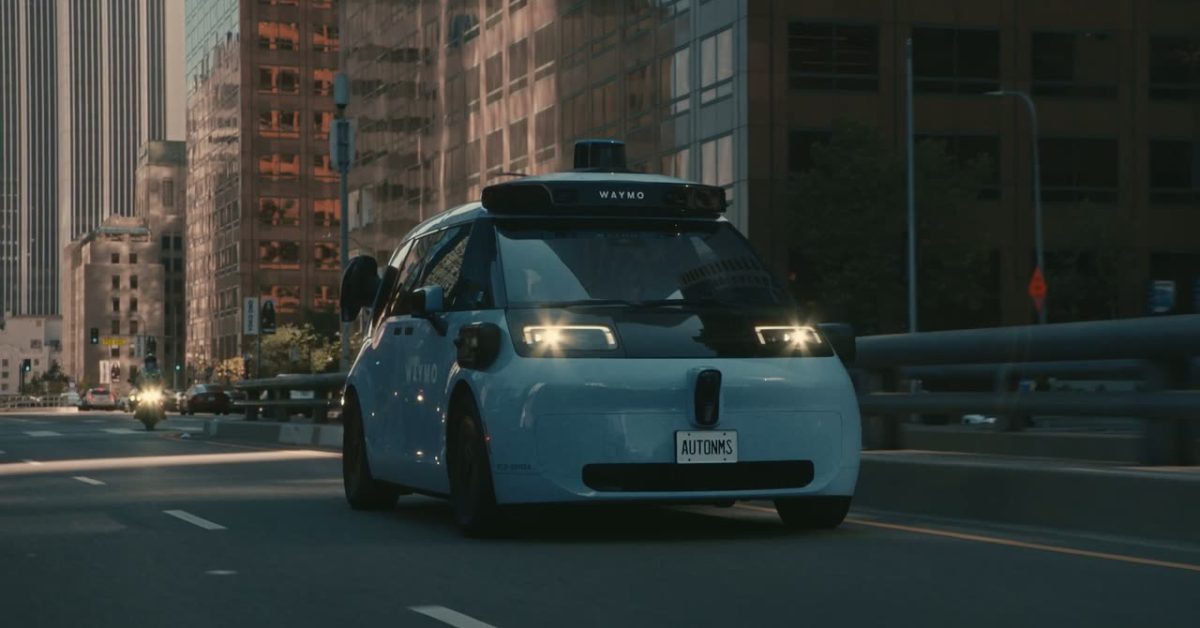
So when Waymo won approval this week to expand its driverless taxi service across 18 California counties, it’s tempting to file it under “faraway tech news.” Don’t. This is the clearest picture of what real automation looks like when it stops being a demo and becomes the backbone of a business. And the picture is a lot less glamorous — and a lot more useful — than the pitches in your inbox.
TL;DR: Waymo spent seven months grinding through regulatory review to expand driverless rides to 18 counties — the “boring” work that separates real automation from marketing. Meanwhile, a rival’s “robotaxi” service still runs with a human in the driver’s seat. For Malaysian SMEs, the playbook is simple: verify who’s really doing the work, start small, document everything, and scale gradually.
What This Means
In plain language: Waymo has been operating driverless taxis in San Francisco, and in January it filed paperwork to charge for fully driverless rides across 18 counties — from Sonoma down to San Diego, covering most of California’s population. The California Public Utilities Commission (CPUC) suspended the filing for further review, Waymo answered questions and filed a supplemental letter in May, and the expansion was approved in August. Seven months of regulatory grinding for a single filing.
The approval covers everything: all speed limits, freeways, city streets, rural roads, parking lots, driveways, and rail crossings, day and night, in rain, fog, and hail. The only carve-out is widespread snow or ice. Both Waymo’s Jaguar I-Pace and its newer Ojai vehicles are included. But approval isn’t deployment — the company says the rollout will be gradual and guided by its safety framework. Depots, charging, mapping, and support staff all have to show up first.
Now the comparison that matters. Waymo’s fleet of roughly 3,000 vehicles has completed over 20 million trips, and its service area already covered 1,400 square miles across 11 cities in May. Its closest rival in the Bay Area runs a service called “Robotaxi” that still has a human sitting in the driver’s seat — so much so that Pat Tsen, CPUC’s deputy executive director, said flatly the company is not operating an autonomous vehicle service. It’s a limo company with a branding upgrade.
| Waymo by the numbers | Value |
|---|---|
| Counties approved for expansion | 18 |
| Northern California counties | 12 |
| Southern California counties | 6 |
| Active fleet size | ~3,000 vehicles |
| Total trips completed | 20+ million |
| Service area (as of May) | 1,400+ sq miles, 11 cities |
| Ride target by end of 2026 | 1 million rides per week |
Source: Electrek
How This Applies to Malaysian SMEs
1. Real automation is boring, and that’s exactly why it wins. Waymo filed in January, sat through a suspension, answered protests, and filed supplements. No glamour, no viral demos. But it came out the other side with something its flashier rival doesn’t have: permission to actually operate. For your SME, this is the difference between a software vendor who dazzles you with a slick dashboard and one who shows you what happens when something goes wrong. Ask for the boring stuff. What happens when your internet drops? When a supplier sends the wrong file format? When a staff member is on leave? The vendor who has real answers is the one your team will actually adopt.
2. Check who’s really in the driver’s seat. The “Robotaxi” contrast is a gift to every Malaysian business owner. Some of what you’re calling automation right now may have a human in the driver’s seat. Your “automated” monthly report might actually be someone exporting data and reformatting it by hand. Your “auto-reply” chatbot might be routing to a staff member who types every response. Here’s a simple test: switch off the human for a day and see what breaks. If the process stops — or quality tanks — you haven’t automated anything. You’ve just rebranded your manual work.
Mature automation isn’t the system that moves fastest. It’s the one that can keep moving without breaking what already works.
3. Scale gradually, guided by your own safety framework. Waymo could have pushed for speed. Instead, it expanded county by county, with a “gradual and guided” rollout. The same discipline separates Malaysian SMEs who benefit from automation from those who create new problems. Pick one process — invoice reminders, stock reordering, lead follow-ups. Run it in parallel with your manual process for two weeks. Compare error rates and customer complaints. Then expand. The businesses that scale automation patiently are the ones still using it a year later.
4. Write your disruption procedures before you need them. Waymo’s filing included detailed rider procedures for service disruptions — like the PG&E outage that hit San Francisco last December. Not because outages are frequent, but because customer trust depends on how you behave when things fail. Your SME should write the same playbook for every automated process. If your payment gateway goes down, what happens to orders? If your CRM integration fails, who gets alerted? If your supplier’s system cuts off your inventory feed, how do you keep fulfilling orders? Write it down now, while everything is working.
Practical Takeaways
- Audit your automation: list every process you call “automated” and verify no human is quietly doing the hidden work.
- Ask vendors for their failure playbook, not just their feature list. How do they handle outages, bad data, and edge cases?
- Start with one high-volume, low-risk workflow. Run it in parallel, measure the results, and only then expand.
- Document your disruption procedures: what breaks, who’s alerted, and what the manual fallback is.
- Adopt the “gradual and guided” rule: add a second workflow only after the first has been stable for at least a month.
The Bigger Picture
Over the next decade, autonomous vehicles will change how Malaysians move and how goods reach your door. That will ripple into every SME — from delivery expectations to how your customers shop. But the pattern to watch is the one Waymo just demonstrated. It won by being methodical: documenting everything, submitting to review, answering hard questions, and expanding only when ready. Its rival proved that branding can outpace reality — for a while.
For your business, this translates directly into how you buy and build automation. Choose the tools that can show you their boring side: their error logs, their support processes, their backup plans. Be suspicious of anything that only exists as a glowing demo. Build your automation the Waymo way — verify who’s really doing the work, start small, document everything, and scale gradually. It won’t produce exciting LinkedIn content. But it’ll still be running — and winning — long after the flashy stuff has been switched off.
Ready to Streamline Your Operations?
Your business should run itself. AutoRunBiz deploys AI agents to automate your daily operations — WhatsApp orders, invoicing, customer follow-ups, and accounting. Book a free 15-min ops audit to see where automation fits your business →