
Your Next Company Vehicle Could Be Electric. Here’s Why.
You run a business. You don’t have time to chase every trend that flashes across the news. So when you see headlines about Malaysia’s EV registrations surging 148% in July 2026, your first question is probably: what does this have to do with my shop, my team, my daily operations?
Quite a lot, actually. That 148% number isn’t just about individual car buyers. It’s about the vehicles pulling into your clients’ parking lots, the delivery vans servicing your street, the company cars your competitors issue to their sales teams. Every one of those registrations is a decision someone made about how they move, work, and serve customers. And when vehicle registrations jump that sharply in a single month, the entire supporting ecosystem — chargers, service centres, spare parts, parking — starts shifting to keep up. That shift lands directly in your business context.
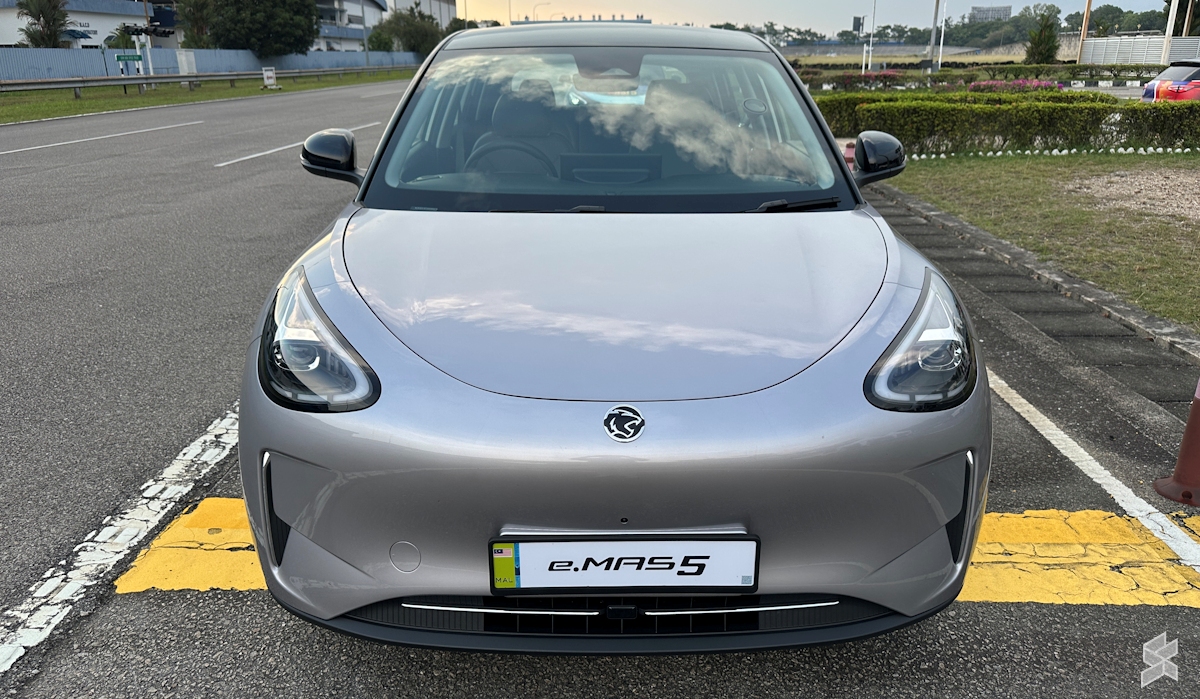
The same report confirms the Proton e.MAS 5 remains Malaysia’s #1 EV. That’s a detail worth pausing on. It tells you that Malaysian buyers — including business owners like you — are choosing electric vehicles from the national carmaker, designed for practical, everyday use. Not exotic imports. Not weekend toys. Work vehicles.
TL;DR: EV registrations in Malaysia surged 148% in July 2026, with the Proton e.MAS 5 holding the top spot. For your SME, the takeaway is simple: electric vehicles have moved into the mainstream of Malaysian business life. You don’t need to buy one this week, but you should understand how this shift affects your fleet, your premises, and your customers.
What This Means in Plain Language
Let’s strip the jargon away. A 148% surge in registrations means the market has hit a tipping point. When EV numbers grow at this rate, the practical problems that once made electric vehicles inconvenient — finding a place to charge, finding a mechanic who understands them, finding support when something goes wrong — begin to solve themselves. Every additional EV on the road creates more reason for businesses to install chargers, for workshops to train technicians, and for parts suppliers to stock components.
And because the best-selling EV is the Proton e.MAS 5, a model backed by Proton’s nationwide service network, the support structure for ownership will grow in Malaysia, not somewhere else. That matters to you as a business owner because it shortens the distance between “should I try an EV?” and “my neighbour runs one without any problems.”
How This Applies to Malaysian SMEs
Your fleet decisions just got more interesting. If your business uses vehicles — for deliveries, site visits, client meetings — your drivers know your routes better than any spec sheet. The typical SME route in the Klang Valley, Penang, or Johor Bahru involves stop-and-go traffic, short distances between stops, and a lot of idle time. These are exactly the conditions where electric vehicles perform at their best. The e.MAS 5’s top position in the sales charts suggests Malaysian drivers are treating EVs as dependable daily machines, not limited-range experiments. When the time comes to replace a vehicle in your fleet, an EV deserves to be on the shortlist — not because it’s fashionable, but because it might simply be the more practical tool for the job.
Your premises could become an amenity. If you own your shop lot, office, or workshop, the rise in EV ownership among your staff and customers is a quiet signal. Charging access is becoming what Wi-Fi was fifteen years ago — an expectation that grows with adoption. You don’t need a full charging station; even a simple charging point for staff use changes the conversation when you’re hiring. If you rent your premises, this might be worth raising with your landlord. The demand side of that equation is growing at 148% increments.
Your customers notice what rolls up to their door. You know how your business presents itself. The vehicle that shows up at a client’s factory, a customer’s home, or a supplier’s warehouse is part of that presentation. A quiet, smooth, modern electric van says something different about your operation than an older diesel that rattles. And in industries where your customers themselves face scrutiny — property management, hospitality, corporate services, government-linked work — having visibly efficient vehicles is a small but tangible signal that your business is aligned with where the market is heading.
Your business relationships are shifting too. Larger companies and public-listed organisations in Malaysia are increasingly paying attention to the footprint of their suppliers and vendors. They’re asking questions about energy use, fuel consumption, and environmental practices. You don’t need a sustainability department to respond. But being able to say that part of your fleet is electric — or that you’re actively moving that direction — keeps you in the conversation when procurement decisions are being made.
The Numbers, Translated
| What July 2026 shows | What it means for your business |
|---|---|
| 148% surge in EV registrations | EV adoption in Malaysia has crossed from early adopters into the mainstream. You’ll see more electric vehicles in your daily business environment — from suppliers, customers, and competitors. |
| Proton e.MAS 5 holds the #1 position | Buyers favour practical, Malaysian-brand EVs. That means the service network and parts availability for the models people actually choose will keep expanding — which benefits every EV owner. |
| The jump happened within a single month | The acceleration is steep. Waiting a year to think about this means operating in a business environment that has already changed around you. |
Practical Takeaways for Your SME
- Know your real mileage. Track what your vehicles actually drive per day. Many urban SME routes sit comfortably within an EV’s range, which removes most of the uncertainty.
- Check your premises. If you own your building, find out what’s needed to install a charging point. The electrical assessment alone is worth doing early, before demand spikes.
- Put an EV on your next replacement shortlist. When your current vehicle is due for a change, test-drive an EV over your actual routes. Trust your driver’s feedback — that’s your real data.
- Keep an eye on your competitors. The first business in your area with a visibly electric fleet owns a talking point. Whether you lead or follow is your call, but know where you stand.
- Ask about charging at places you visit regularly. Suppliers, malls, office buildings — the more you enquire, the faster they respond. Business owners asking for chargers is exactly how the ecosystem expands.
When 148% more people register an EV in a single month, that’s not curiosity — that’s a market deciding. Your business operates in that market, whether or not you’ve made a decision about electric vehicles yet.
The Bigger Picture
Look past the monthly numbers and the trend line is clear. Malaysia’s vehicle market is in the middle of a slow, steady rebalancing. Dealerships are adjusting what they stock. Workshops are retraining their mechanics. Parking operators are adding chargers. Insurance providers are figuring out how EVs fit into their products. None of this happens overnight, but every part of it accelerates when registration numbers climb the way they did in July 2026.
For an SME owner, the long-term shift is straightforward: the vehicles that operate around your business are changing. The expectations of the people you hire, sell to, and buy from are changing with them. You don’t have to be the first person on your street to drive electric. But understanding what the 148% surge represents puts you ahead of every business owner who looks at that headline and shrugs. The ones who pause and ask “what does this mean for my operation?” are the ones who make measured, confident decisions when their next vehicle, premises, or partnership comes up for renewal.
The market is moving. The only question is whether you’re watching it from the front row or reading about it later.
Ready to Streamline Your Operations?
Your business should run itself. AutoRunBiz deploys AI agents to automate your daily operations — WhatsApp orders, invoicing, customer follow-ups, and accounting. Book a free 15-min ops audit to see where automation fits your business →