
When an impressive product creates more problems than value
As a Malaysian SME owner, you have probably seen this pattern before: a new technology promises a cleaner, smarter, more modern way to operate, but the reality involves complicated installation, uncertain performance, difficult maintenance and unhappy customers.
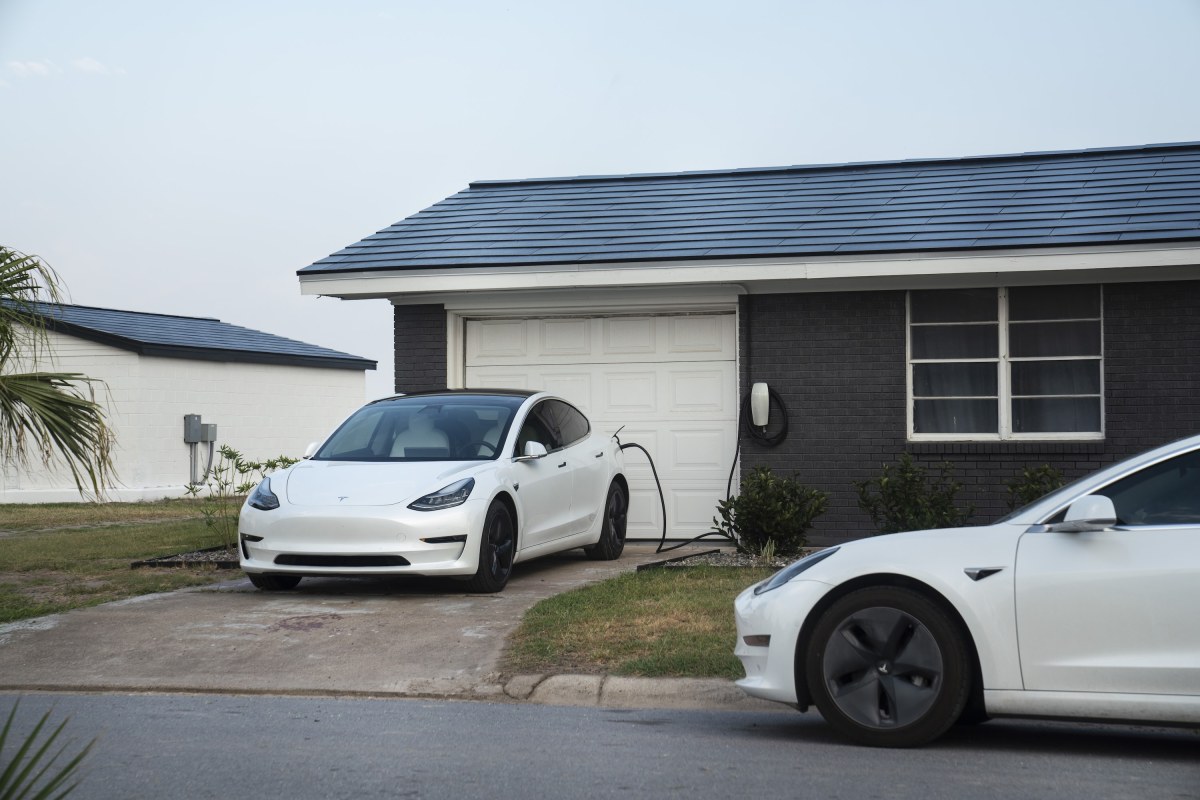
The lesson is not simply that one solar product failed. The deeper lesson is that attractive technology can still struggle when its design, supply chain, installation process and business model do not work together. Tesla’s solar roof was meant to combine roofing materials with solar generation, but its journey shows why practical execution matters more than a compelling demonstration.
According to TechCrunch, Tesla has removed public-facing references to the solar roof, while its product and support pages redirect to a general solar page. The company had once targeted 1,000 installations per week, but reported installation volume reached only around 20 to 40 per week in 2022.
TL;DR
Technology succeeds when it solves a real business problem reliably, not merely when it looks impressive. For your SME, test the workflow, maintenance needs, supplier support and measurable result before committing to a complex system.
Tesla’s solar roof shows that standardised solutions are often easier to deploy and improve than highly customised products.
What This Means
Tesla’s solar roof combined two jobs: protecting a building from weather and generating electricity. Instead of placing conventional solar panels above an existing roof, the product integrated solar cells into specialised roof tiles.
The idea was visually appealing. Some customers may prefer a roof that looks like premium shingles, slate or terracotta rather than a set of visible panels. However, integrating the technology into the roof also introduced more points of failure. The roof had to be manufactured, transported, installed and repaired as both a building component and an electrical system.
The source article reports several difficulties. The specialised tiles required dedicated manufacturing equipment. Unlike conventional solar panels, which benefit from large-scale production and standardised designs, the solar roof used unique components. When demand was lower than expected, the cost and complexity of producing each unit became harder to manage.
Performance also mattered. Reports cited in the article described non-solar components warping, underlayment melting and the system producing less electricity than expected. Solar cells generally lose voltage as temperature rises; the article explains that voltage can decline by approximately 0.5% for every degree Celsius. A smaller airflow gap may have contributed to higher temperatures and lower output.
The practical lesson is simple: a product is not ready for your business just because the demonstration looks convincing.
How This Applies to Malaysian SMEs
1. Do not confuse a polished interface with a complete solution. Many business software products look easy during a sales demonstration. You may see a neat dashboard, automatic reports and a few clicks that appear to replace hours of work. But the real test starts after implementation. Can your staff enter accurate information? Does the system handle Malaysian business practices? Can you export records when needed? What happens when a customer requests a change that was not included in the demonstration?
For example, a small wholesaler may adopt an inventory system that works well for standard products but struggles with bundles, partial deliveries, damaged stock or different units of measurement. The system may appear modern, but if staff continue using spreadsheets and messaging apps to correct gaps, the business has added another layer rather than removing work.
2. Standardisation usually reduces operational risk. Tesla’s conventional solar panels benefited from a more established and standardised product approach, while the solar roof depended on specialised tiles and equipment. The same principle applies to your processes. A proven workflow for quotations, approvals, invoicing, customer follow-ups or stock updates is often easier to maintain than a highly customised setup designed around every unusual exception.
This does not mean your business should accept a generic system without changes. It means you should first standardise the common 70% to 80% of your work. If every quotation follows a similar approval path, automate that path. If only a small number of cases are unusual, handle those separately rather than making the entire system complicated.
3. Check performance in Malaysian operating conditions. A solution that works in a controlled environment may behave differently in your business. Malaysian SMEs deal with multilingual teams, mobile-first communication, intermittent internet connections, local tax and documentation requirements, and customers who may prefer WhatsApp over email. Your processes also operate under real pressure: lunch-hour orders, month-end reporting, public holidays and staff leave.
Before adopting a platform, run a pilot using real examples from your business. Test a normal transaction, an amended transaction, a cancelled order, a late payment, a returned item and a staff handover. Ask what happens when someone makes a mistake. A useful system should make recovery clear rather than forcing you to call the vendor for every correction.
4. Consider the full lifecycle, not only the launch. The solar roof’s challenges were not limited to its initial concept. Manufacturing, installation, heat management, output and support all affected the customer experience. Your business technology has a similar lifecycle. You need onboarding, user training, data migration, support, updates, permissions, backups and a clear process for staff who join or leave.
For a services company, an automated customer follow-up process may work well at launch but become unreliable if no one owns the contact database. For a retailer, a point-of-sale system may produce useful reports but create confusion if product codes are inconsistent. For a small manufacturer, production tracking may help only if supervisors update job status promptly. The tool is only one part of the operating system.
A useful comparison: attractive complexity versus dependable simplicity
| Question | Attractive but risky approach | Dependable approach |
|---|---|---|
| Design | Highly customised for every possible situation | Standard process for common cases, clear exceptions |
| Implementation | Large rollout before staff testing | Small pilot using real transactions |
| Measurement | Focus on features and appearance | Measure time saved, errors reduced and response speed |
| Support | Assume staff will figure it out | Assign an owner and document the workflow |
| Scalability | Depend on special workarounds | Use repeatable processes and standard data |
Practical Takeaways
- Start with the business bottleneck. Identify whether your main issue is delayed quotations, missed follow-ups, duplicate data entry, stock inaccuracies or slow approvals.
- Separate essential features from attractive features. Ask which capability directly improves a measurable workflow.
- Run a pilot before a full rollout. Use genuine customer, order, stock or service examples rather than sample data.
- Test failure scenarios. Include cancellations, corrections, staff absence, incomplete information and customer changes.
- Ask who owns the process. Every automated workflow needs someone responsible for reviewing results and fixing exceptions.
- Prefer standard integrations. Systems that connect through established methods are generally easier to support than fragile manual workarounds.
- Document the new way of working. A short checklist can prevent staff from returning to scattered spreadsheets and messages.
- Review results after implementation. Track whether response times, error rates and outstanding tasks are actually improving.
The Bigger Picture
Tesla’s solar roof does not necessarily prove that integrated solar roofing can never work. The source article notes that other companies, including GAF and Merlin Solar, continue pursuing the market. A different manufacturer may solve the design, production or installation problems.
However, the product’s outcome may make customers and investors more cautious. When a high-profile company struggles with a technically ambitious product, buyers become more interested in proof: reliable installation, clear support, predictable performance and a sensible replacement process.
The same change is happening in business automation. SME owners are becoming less interested in collecting software tools and more interested in dependable workflows. You do not need the most advanced system in the market. You need one that your team will use correctly, that fits your daily operations and that continues working when the business gets busy.
Before choosing a new platform, ask yourself: Does this simplify a repeated task, or does it merely make the task look more sophisticated? That question can prevent you from building your operations around an impressive idea that is difficult to maintain.
The strongest technology decisions are usually less dramatic. They involve a clear process, a limited pilot, proper staff involvement and measurable improvement. For a Malaysian SME, that practical discipline can matter far more than adopting the newest product or the most ambitious vision.
Ready to Streamline Your Operations?
Your business should run itself. AutoRunBiz deploys AI agents to automate your daily operations — WhatsApp orders, invoicing, customer follow-ups, and accounting. Book a free 15-min ops audit to see where automation fits your business →