
A “Temporary” Fix That Outlives Its Excuses
Every Malaysian SME owner knows the feeling. The Excel spreadsheet that was supposed to be replaced “next month” becomes your company’s core system for five years. The supplier you brought in for “one project” now handles half your operations. The renovation without full council approval that you promised to rectify but never did.
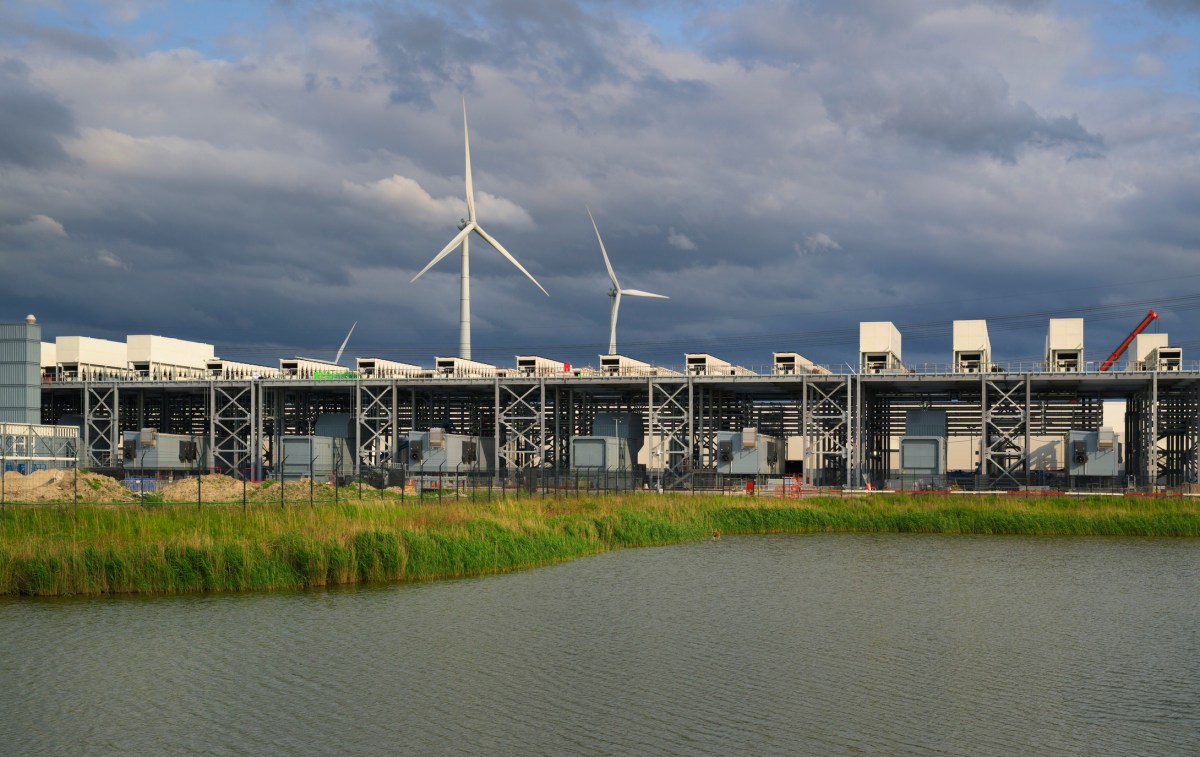
Now imagine that at industrial scale — 69 gas turbines, humming for months, parked on trailers in Mississippi, powering the AI data centers of one of the world’s most valuable companies. And the fix? “We’ll get to it next year.” Not next month. Next year.
That’s the story of SpaceX and xAI’s Colossus data centers, and it’s a warning worth reading closely for any Malaysian business owner who’s ever told themselves “short-term only lah.”
TL;DR: SpaceX is running 69 unpermitted gas turbines to power xAI’s AI data centers, claims they’re exempt because the turbines sit on trailers, faces a lawsuit from environmental groups, and now says it will only fully remove them by July 2027 — a full year away. The permanent 1.2 gigawatt power plant it’s building won’t cover the existing turbines, suggesting an even bigger buildout is planned.
“A temporary solution that becomes permanent isn’t a solution — it’s a decision you never consciously made.”
What This Means
Let’s translate the tech jargon. xAI built massive AI data centers near Memphis that need enormous amounts of electricity — the kind of power that takes years to arrange through normal grid connections. So they did what any rushed project does: they brought in temporary generators. But not small ones. We’re talking 69 gas turbines, each powerful enough to make a meaningful dent in a city’s power grid, running for months without environmental permits.
SpaceX’s argument? The turbines came to the site on trailers, so they’re technically “mobile” equipment, not permanent installations. Federal regulators disagree, pointing out that the size of the turbines and how they’re used trigger the permitting requirement regardless of what they sit on. The NAACP and Southern Environmental Law Center sued, and the turbines could emit more than 2,000 tons of smog-forming NOx per year in a region that’s already among the most polluted in the U.S.
Last month, the U.S. Department of Justice sided with SpaceX, calling the turbines a matter of “national, economic, and energy security.” So the “temporary” situation stands for at least another 12 months — and the company is building a new permanent plant with 41 turbines ranging from 16.48 to 50 megawatts each, according to permit documents.
How This Applies to Malaysian SMEs
You might be thinking: “I don’t run 69 gas turbines. This has nothing to do with my kedai or my Sdn Bhd.” But strip away the scale and this story is painfully familiar. The “it’s just on a trailer” defense is the corporate version of “it’s just a temporary system” — a rationalization that protects a decision you already made, not an honest assessment of risk.
For Malaysian SMEs, the most direct parallel is in software and process automation. You asked a friend to build a “simple” booking system five years ago. It still works, mostly, and nobody has the documentation. Or you’ve been running your inventory on a workaround that breaks every time you add a new product range. The moment you scale — and you will — the auditors, regulators, and major customers will ask the questions you’ve been postponing. Like SpaceX, you’ll find that growth forces compliance, and compliance forced at speed always hurts more than compliance done deliberately. The difference is, your “turbines” are the systems your business runs on every single day.
There’s also the compliance lesson, and it cuts deeper than paperwork. SpaceX’s “trailer loophole” didn’t hold up against the actual intent of the rules. Malaysian SMEs face the same gap between “what the rules literally say” and “what the rules actually require.” A home-based business operating at commercial scale. An e-commerce seller who has crossed the threshold for SST registration without updating their files. A software vendor holding client data without the PDPA compliance their contracts promised. The technicality might hold — until someone tests it. In Malaysia, someone usually eventually does, whether it’s the local council, LHDN, or a customer’s legal team.
Energy is another angle that hits closer to home than you’d think. AI data centers are power-hungry, and the data center investments flowing into Johor and other Malaysian states are part of the same global wave. When giants like SpaceX scramble for power in unorthodox ways, it signals that electricity is becoming a strategic bottleneck — not just for them, but for anyone relying on cloud services, SaaS tools, and reliable connectivity. For your SME, that’s a cue to revisit your own continuity plans. Where is your data hosted? What happens if a cloud provider has an outage during peak demand? Your temporary workarounds won’t protect you when infrastructure is strained.
Finally, notice this detail: SpaceX acquired APR Energy, a company specializing in temporary natural gas power. And the turbines in APR’s fleet appear to be different from those cited in the new plant’s permits. TechCrunch’s conclusion: the new fleet is likely intended for another, unannounced project. In other words, the “temporary” acquisition was actually the foundation for a bigger rollout. That’s how short-term decisions compound. For your SME, every “temporary” tool you adopt becomes infrastructure for the next opportunity you haven’t planned yet. If it’s built on shaky foundations, the next project inherits the debt.
Practical Takeaways
- Audit your “temporary” systems this week. Go through your spreadsheets, scripts, and workarounds. Anything running for more than six months gets a replacement plan with a real deadline — not a vague “eventually.”
- Check your licenses and permits before you scale. If you’re growing — new premises, new staff, new product lines — engage a consultant to review your compliance posture first. Waiting until you’re under pressure is how mistakes become expensive.
- Document everything, even experiments. The “temporary” system you build for one client might become the product you sell to ten. Without documentation, it’s a liability, not an asset.
- Reassess vendor dependencies. If a single supplier, contractor, or software tool is critical to operations, what happens if they disappear, get acquired, or are shut down by regulators? Have a plan B.
- Pressure-test your AI and data tools. As you adopt AI solutions, verify where data is stored, who has access, and what happens at end of contract. Your data is the “turbine” — don’t let it run unpermitted.
The Numbers Behind the Mess
| Metric | Figure | Context |
|---|---|---|
| Gas turbines currently operating | 69 | Many have been running for months without permits |
| Potential yearly NOx emissions | 2,000+ tons | Smog-forming pollutants in an already polluted region |
| New permanent power plant | 1.2 GW | 41 turbines ranging from 16.48 to 50 MW each |
| Deadline to remove existing turbines | July 2027 | Still more than a year of continued operation |
| New turbine fleet purpose | Unconfirmed | Likely for an unannounced project, per TechCrunch |
All figures sourced from TechCrunch’s report.
The Bigger Picture
This story isn’t really about turbines. It’s about what happens when ambition outruns infrastructure. AI is consuming resources — electricity, water, attention — at a pace that even the largest companies in the world can’t keep up with through patient, legitimate channels. So they improvise, rationalize, and delay. The Department of Justice’s support suggests that economic and security arguments will increasingly override environmental concerns. That’s a trend worth watching, because it will shape how AI infrastructure gets built across Southeast Asia too.
But there’s a deeper lesson for you as an SME owner: the “we’ll fix it later” strategy compounds. Every month the xAI turbines run unpermitted, the legal risk grows, the environmental damage accumulates, and the eventual transition becomes harder. The same logic applies to your business systems. A temporary fix you’ve accepted as permanent isn’t just technical debt — it’s a strategic decision you never consciously made.
Start your audit this week. Not because you’re breaking the law like SpaceX, but because the difficulty of fixing your own “turbines” only grows the longer you wait.
Ready to Streamline Your Operations?
Your business should run itself. AutoRunBiz deploys AI agents to automate your daily operations — WhatsApp orders, invoicing, customer follow-ups, and accounting. Book a free 15-min ops audit to see where automation fits your business →