
Why a Texas Factory Decision Matters to Your Malaysian Business
You run a manufacturing plant in Johor or a logistics operation in Klang Valley. Your machines hum along until the power blips. Then everything stops. Production halts. Deadlines slip. Your staff stands around watching the clock.
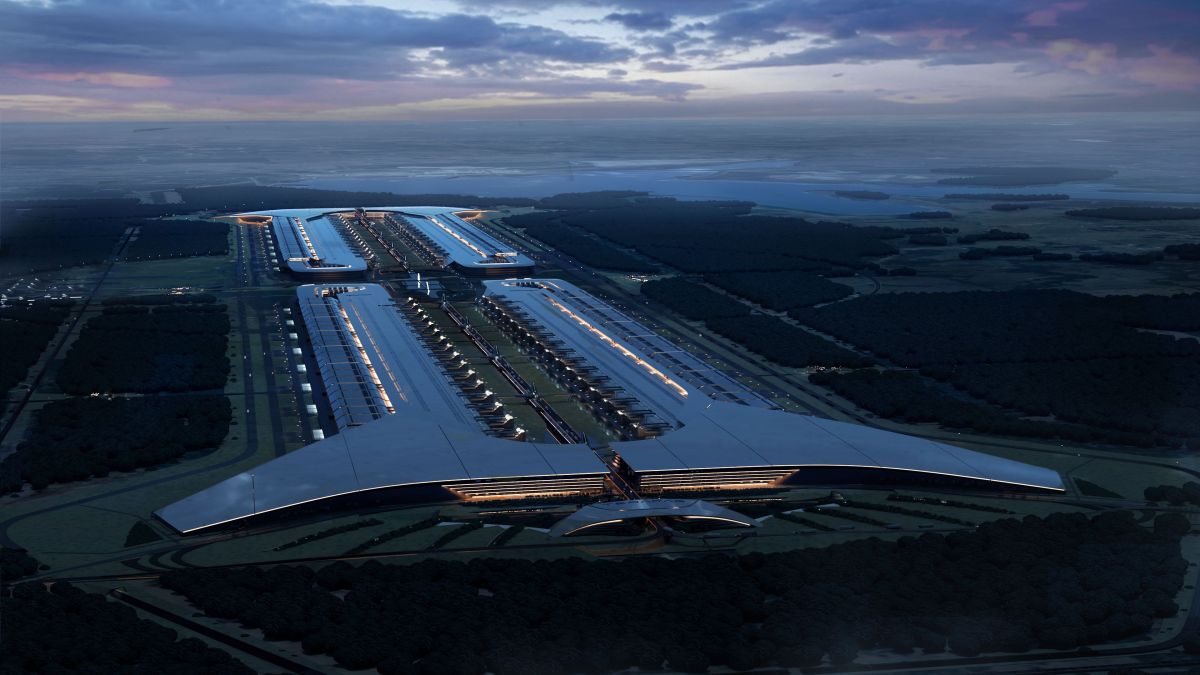
That is the real problem behind the news about SpaceX’s new Terafab semiconductor factory in Texas. The company led by Elon Musk — the man who built Tesla partly on solar power — decided not to power its new chip factory with solar panels. Instead, SpaceX will build its own natural gas power plants paired with very large battery arrays, according to a report from TechCrunch.
Before you dismiss this as American mega-project trivia, think about what it means for you. The most visible clean-energy brand on the planet chose fossil fuel backup over solar for a project that will build chips for AI data centers. Why?
TL;DR: SpaceX needs guaranteed power around the clock, and solar alone cannot deliver that. The company is “bringing our own power” with gas turbines and batteries instead of relying on the grid or on solar. For Malaysian SMEs, the lesson is not about gas versus solar — it is about taking ownership of your energy resilience. Reliability beats ideology when the stakes are production downtime.
What This Means
The energy industry calls it “bring your own power.” Big tech companies are so worried about grid capacity that they are building their own electricity sources next to their facilities. SpaceX’s energy lead said at a public meeting that the company will be “bringing our own power” for Terafab, which will include “very large battery arrays” — with no mention of terrestrial solar for the facility, despite Tesla being a partner in the project.
This is not a one-off. The AI data center boom has triggered a wave of new natural gas power plant proposals. Google, Meta, and Microsoft have all announced massive projects. Texas has become ground zero for these self-powered data centers, with more than 70 gigawatts of capacity charted out.
Even the names you would expect to go solar are not choosing it. Musk’s xAI data centers in Memphis run almost exclusively on the fossil fuel. He also recently bought a company that specialises in natural gas power plants, and SpaceX has placed major orders for gas turbines over the next three years — again per the TechCrunch report.
So what is going on? It is simple: a factory that never stops needs power that never stops. Solar works during sunshine hours. Chip fabrication runs 24/7, and AI data centers do not nap.
“The world’s most famous solar advocate just chose natural gas for his next factory. That is not hypocrisy. It is a signal that reliability is a business decision, not a lifestyle choice.”
How This Applies to Malaysian SMEs
Now let’s bring this home. Your business is not a semiconductor fab. But you face the same fundamental tension between what energy source looks good on paper and what actually keeps your operation running.
Malaysian SMEs in industrial parks know grid reliability is a game of averages. Most days are fine. But the occasional voltage sag, the unplanned outage during a thunderstorm, or the afternoon capacity crunch during peak season can set you back further than you expect. When your CNC machines stop mid-cycle or your cold chain storage warms up, the ripple effects travel through orders, customer trust, and staff morale.
Rooftop solar is a strong option in Malaysia, especially with programmes like Net Energy Metering. But solar has a blind spot for business owners: it stops generating at night. If your operation runs after dark — a bakery, a logistics hub, a printing press — solar alone leaves you exposed exactly when the grid is also under pressure. SpaceX looked at the same math and decided it needed dedicated generation plus a massive battery buffer. The principle transfers down to any business scale, even a single shop lot in Subang Jaya.
Batteries are the part most Malaysian SMEs overlook. The SpaceX plan pairs gas turbines with “very large battery arrays” specifically to bridge the gap between an outage and full generation output. For your operation, that gap is where spoilage and idle labour happen. A battery system that carries critical loads for 15 to 30 minutes while your generator spins up can be the difference between a minor blip and a full production event. You do not need a giant utility-scale battery — you need the right-sized buffer for your most important equipment.
There is a planning lesson here too. SpaceX is designing energy into the project from day one, treating power as a strategic input rather than a utility afterthought. Malaysian SMEs often treat electricity as something they cannot control. But the businesses that thrive will be the ones that audit their loads, map their critical equipment, and build redundancy deliberately. Whether your mix is grid plus solar, grid plus generator, or grid plus battery, the key is that you made the decision instead of letting the grid make it for you.
What the Numbers Tell Us
| Signal from the SpaceX Plan | Number | Why It Matters to You |
|---|---|---|
| Self-powered projects planned in Texas | 70+ GW | Global trend: businesses are choosing to own their energy |
| Distance of Terafab from Houston | 45 miles | Even near a major grid, they chose self-generation |
| Jobs committed for Terafab | 1,800+ | Large facilities plan energy years ahead, not month to month |
| xAI Memphis data centers | Almost exclusively gas | Ideology does not run servers; reliable power does |
The scale difference is enormous — 70 gigawatts of planned capacity in Texas alone, with Terafab located about 45 miles northwest of Houston. But the decision logic scales down to your premises. What powers your business should be a choice you make with your eyes open, not a default you inherit.
Practical Takeaways for Your Business
- Audit your energy dependence. Walk your premises at night. What is still running? That is your critical load.
- Map your gap. How long does your generator take to start? What happens in between? That gap is where you feel the pain.
- Consider a battery bridge. Even a small buffer for your most important equipment beats a full shutdown.
- Think hybrid, not either/or. Solar can carry your daytime load. Gas, diesel, or battery covers the dark hours. Stack them based on your real operating pattern.
- Plan energy like you plan sales. Review it quarterly. Adjust before the next failure, not after.
- Talk to your utility or energy consultant early. Know your site’s actual capacity limit before you add equipment, not after a surprise trip.
The Bigger Picture
Here is the long-term trend. Power availability is becoming the constraint on growth — not ideas, not talent, not funding. The AI boom has sent electricity demand soaring globally, and even countries with developed grids are scrambling. Malaysia is not immune. Data centers are increasingly looking at Southeast Asia, and power supply is at the centre of every conversation.
For Malaysian SMEs, this means two things. First, your energy resilience is a competitive advantage. When a competitor’s production line stops and yours does not, you win the order. Second, the energy mix will keep shifting — natural gas, solar, batteries, grid upgrades, and future technologies will all move at different speeds. You do not need to predict which source wins. You need to design your own operation so that no single source can take you down.
SpaceX chose natural gas because it had a factory to build and a timeline to meet. Your situation is different. But the underlying philosophy applies to every business owner in Malaysia: own your energy resilience, because nobody else will.
Ready to Streamline Your Operations?
Your business should run itself. AutoRunBiz deploys AI agents to automate your daily operations — WhatsApp orders, invoicing, customer follow-ups, and accounting. Book a free 15-min ops audit to see where automation fits your business →