
You’re driving back from a client in Shah Alam, heading to your next meeting in Kuala Lumpur. The traffic is heavy, but you planned for that. What you can’t plan for is your phone losing signal on that exact stretch between Bukit Jelutong and the Sungai Besi toll plaza.
Your GPS freezes. The CRM doesn’t sync your visit report. The message from your operations manager about an urgent delivery delay doesn’t come through until you hit a hotspot 15 minutes later. For a Malaysian SME owner, every minute of dead air on the highway is a direct risk to your daily operations and customer response times.
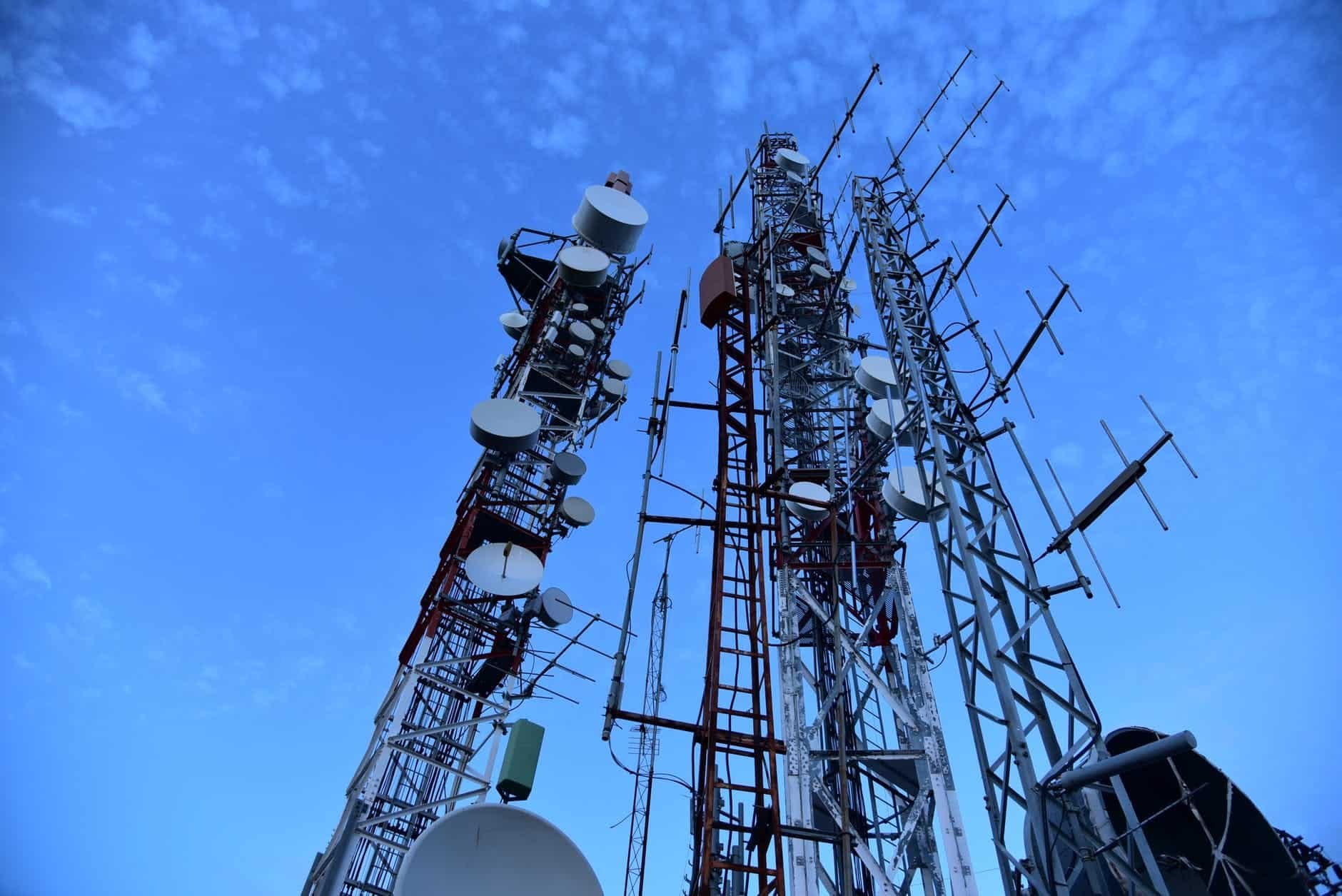
This is the exact problem the Malaysian Communications and Multimedia Commission (MCMC) and the Malaysian Highway Authority (Lembaga Lebuhraya Malaysia) have just committed to solving. Their plan to build 77 new towers along 50km of problematic highway stretches isn’t just a government announcement. It is a targeted infrastructure upgrade that directly impacts how reliably you can run your business outside your four walls.
TL;DR: The MCMC is targeting the worst highway dead zones in the country for a major connectivity boost. For your SME, this means fewer logistical blind spots, more productive time for your field team, and a stronger foundation for the automation tools you depend on to grow.
What This Means (A Plain-Language Breakdown)
Works Minister Datuk Seri Alexander Nanta Linggi announced a new collaboration between MCMC and the Malaysian Highway Authority (source). The core of the project involves placing 77 new telecommunication towers specifically along 50 kilometers of highway where coverage is currently rated as unsatisfactory.
Why these specific spots? Modern highways are evolving into “smart-highway systems.” This requires real-time traffic management, digital monitoring of road assets, and the foundation for the upcoming Multi-Lane Fast Flow (MLFF) toll system. None of this works without a steady, low-latency mobile connection. When the signal drops, the system has a blind spot.
For you, the SME owner, this means the invisible digital “pipeline” your team relies on when travelling between your office, your clients, and your suppliers is getting a targeted upgrade. The black holes in the network that force your operations to pause are being deliberately removed.
How This Applies to Your Malaysian SME
This news impacts your daily workflow in three very concrete ways.
1. Your Logistics Stop Being a Black Box. If your business involves moving goods, people, or providing services, the highway network is your factory floor. Every time a delivery van enters a dead zone, your tracking software loses the signal. Proof of delivery can’t be relayed. ETAs become guesses. By filling these specific 50km of gaps, the MCMC is directly improving the reliability of your fleet tracking. Your customers get accurate updates, and your dispatch team maintains complete visibility of the operation, no matter where the vehicle is on the corridor.
2. Your Field Team’s Travel Time Becomes Productive. Consider the hours your salespeople or service technicians spend on the road. A stable mobile connection turns that travel time into usable work time. They can update job statuses, send invoices from the car, answer customer inquiries, or check inventory in real-time. It transforms the “dead zone” from a forced break in productivity into a seamless part of the workday. This is a practical operational upgrade for any SME with a mobile workforce.
3. It Prepares Your Business for Stronger Automation. The plan explicitly ties better signal to “data-driven traffic analytics” and “digital asset monitoring” (source). What does this mean for you? It means the software tools you invest in—route optimization, automated dispatch, real-time inventory—will finally work consistently whether your team is in the Klang Valley or cruising along the North-South Highway. The barrier of inconsistent connectivity that has held back SME automation for years is being systematically addressed.
“Your business’s operational reach is currently limited by the reach of your data signal. By investing in highway coverage, the government is directly expanding the effective territory where you can run your business reliably.”
Practical Takeaways for Your Business
Here is how you can act on this news starting today:
- Map Your Weak Spots Now: Ask your drivers and field staff exactly where signal drops out. Which toll plazas? Which stretches of the LDP, MEX, or PLUS? List these out. This is gold dust for your operations planning and will be the first areas to improve.
- Audit Your Cloud Tools: Test how your CRM, accounting platform, or inventory system behaves on a moving mobile connection. Does it handle interruptions gracefully? Tools that fail here will hold you back. If they aren’t reliable now, start looking for alternatives that are built for a mobile-first environment.
- Update Your Standard Operating Procedures (SOPs): If your current workflow assumes poor connectivity, it is creating friction. Start drafting SOPs that assume a stable connection. This allows for real-time approvals, instant data syncs, and faster customer response times from the field.
- Talk to Your Telecom Provider: Ask your business account manager about their rollout plans for these specific corridors. The tower construction will create a competitive advantage for telcos who host their equipment on them.
- Follow MCMC and LHA: Keep an eye on MCMC and Lembaga Lebuhraya Malaysia (LLM) for the precise list of targeted routes so you know exactly when your key corridors are being upgraded.
The Bigger Picture: Why This Trend Matters Long-Term
This initiative is a strong signal of where Malaysia’s digital economy is heading. The focus on highways is intentional. The Minister stated highways are “strategic economic corridors linking commercial centres, industrial areas, ports, airports and communities” (source).
For an SME, your ability to grow often depends on your ability to operate at a distance. The next generation of business tools—automated dispatch, intelligent routing, connected fleet management—all demand a flawless highway network. The 77 towers are the first brick in that foundation. As the Multi-Lane Fast Flow system and other smart initiatives roll out, the business landscape will shift towards greater efficiency for those who are prepared.
The companies that position themselves now to rely on this connectivity will have a clear advantage over those who wait until the infrastructure is fully built. The “black spots” of today are the areas of high productivity for tomorrow.
What the Plan Actually Delivers for Your Operations
| Component | What It Does | Your Direct Benefit |
|---|---|---|
| 77 New Towers | Directly boosts coverage on the worst 50km of highway | Fewer dropped calls from your team. Reliable real-time tracking for your fleet. |
| Smart Highway Systems | Uses data to manage traffic and monitor assets | Better route planning for service teams. More predictable commute for staff. |
| Multi-Lane Fast Flow | Cashless, barrier-free tolls at speed | Less time wasted in toll queues. Faster, smoother deliveries for your business. |
| Targeted Black Spot Resolution | Solves “geographical and technical challenges” | Progress in the exact locations where your business operations currently hit a wall. |
Ready to Streamline Your Operations?
Your business should run itself. AutoRunBiz deploys AI agents to automate your daily operations — WhatsApp orders, invoicing, customer follow-ups, and accounting. Book a free 15-min ops audit to see where automation fits your business →