
What Faster Electric Motorcycle Charging Teaches You About Business
If you run a Malaysian SME, you probably know the frustration of waiting for a process to finish before your team can move. A delivery vehicle is delayed. A technician is stuck waiting for equipment. A sales representative loses time because a task depends on a slow approval. The problem is rarely one dramatic failure. It is usually repeated waiting.
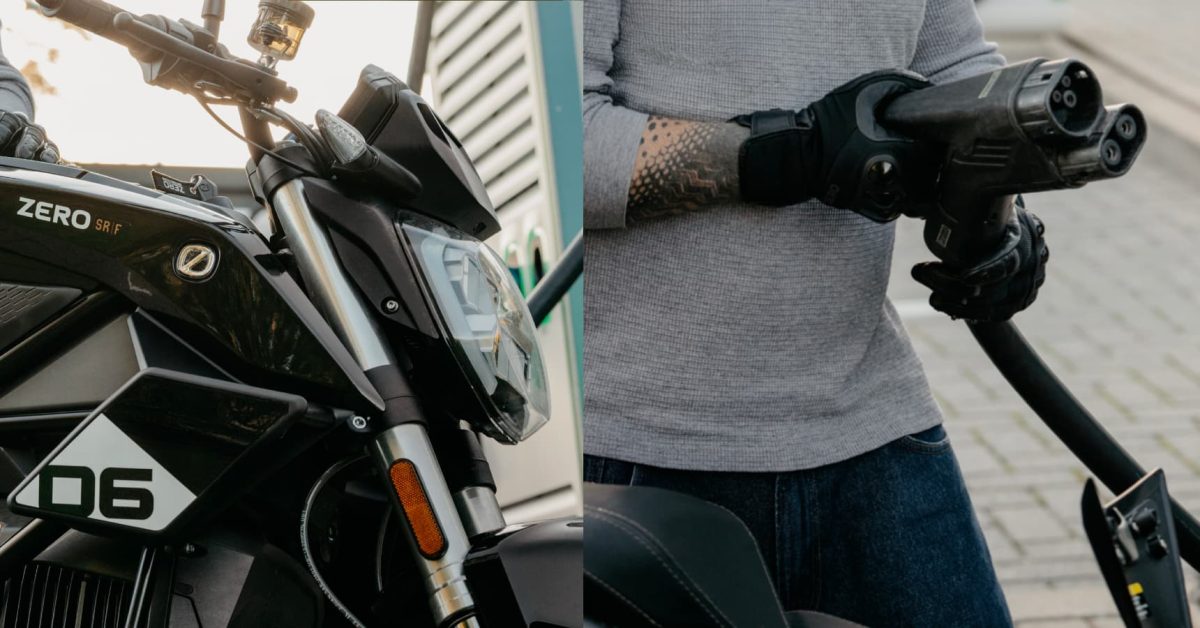
That is why a development in electric motorcycles deserves your attention, even if your business has nothing to do with motorcycles. Zero Motorcycles has announced that some models are expected to receive DC fast charging in 2027, after years of relying mainly on AC charging. The company has not yet confirmed the exact models, charging standard, or maximum power, but some models dating from the 2022 model year may be eligible for an upgrade, according to Electrek.
The business lesson is straightforward: the right infrastructure can reduce waiting without requiring you to replace the entire system. That same principle applies to invoicing, customer service, inventory, field work and internal approvals.
TL;DR
DC fast charging sends electricity directly to an electric motorcycle’s battery through a dedicated station, reducing the need for long charging sessions. Zero’s planned 2027 feature shows how removing one bottleneck can make an existing asset more useful.
For your SME, review the slowest handoffs in daily work, measure their effect, and automate or redesign them before adding more people or equipment.
What This Means
Electric motorcycles need to recharge before they can continue a long journey. AC charging requires the motorcycle to carry hardware that converts alternating current into the direct current used by its battery. DC fast charging moves that conversion work into the charging station, allowing electricity to go more directly into the battery, as explained by Electrek.
Zero’s current SR/F can use a 6.6 kW onboard charger, with an optional module increasing charging capacity to 12.6 kW; the manufacturer says this can provide an almost full recharge in about 90 minutes, based on the source article’s reporting. Those figures are linked to the source because charging performance depends on the motorcycle, charger and operating conditions.
DC fast charging matters because the rider can spend less time planning around the charging process. A short stop can add useful range, making longer trips more practical. Electric motorcycles may benefit significantly because their batteries are smaller than car batteries; even moderate charging power can make a noticeable difference, according to the source article.
For a business owner, this is similar to replacing a manual approval chain with a digital workflow. You are not necessarily changing the product, staff or customer. You are removing the step that causes everything else to wait.
When a bottleneck is removed, the value of the existing asset increases. A motorcycle can travel further between long stops, while your team can complete more work between interruptions.
How This Applies to Malaysian SMEs
1. Delivery and service businesses can reduce idle time. If you operate a food distributor, pharmacy supplier, repair company or small courier team, vehicles and riders are productive only when they are moving or completing a job. A charging delay, manual dispatch decision or unclear customer address can create the same operational effect: the worker is available, but the business is not progressing. A simple job-management system can assign jobs, send location details, capture proof of delivery and notify the office when a task is complete.
Start by recording where each delivery or service job loses time. Is the delay caused by a customer confirmation, a missing item, a paper form or a supervisor’s approval? Once you identify the repeated pause, you can automate the notification or approval around it. This is the operational equivalent of placing a faster charger at the point where riders need it most.
2. Retailers and wholesalers can prevent stock-related waiting. Many Malaysian SMEs still depend on staff messaging one another to check stock. A customer asks whether an item is available, someone walks to the storeroom, another person updates a spreadsheet, and the answer arrives after the customer has already considered another supplier. Inventory automation can show available quantities, flag low-stock items and create a clear reorder task.
You do not need to begin with a complicated warehouse platform. Connect your sales records, purchase orders and stock counts in one process. Set an alert when an item reaches its minimum level, and require a photo or scan when goods arrive. This reduces the number of times your staff must stop serving customers to search for information.
3. Professional service firms can shorten approval cycles. Accountants, agencies, consultants, contractors and training providers often lose time between preparing a quotation, receiving approval, issuing an invoice and following up. If these steps live in separate email threads, the owner becomes the human charging station: every request waits for your attention before it moves.
A workflow can route a quotation for approval, record the decision, generate the next document and alert the responsible person. You retain control over important decisions while removing routine chasing. For a team of five to 50 employees, this distinction matters. Automation should support your judgement, not bury you under more notifications.
4. Field teams can work with better information. Air-conditioning maintenance companies, renovation teams, security installers and cleaning businesses often send workers to sites with incomplete instructions. A digital job form can include the customer’s address, access notes, equipment details, photos and required checklist. After the visit, the technician can upload completion evidence from a phone.
This prevents a second trip caused by missing information. It also gives you a more reliable record when a customer asks what was done. The goal is not merely faster work. It is fewer avoidable handoffs and fewer misunderstandings between the office, worker and customer.
Practical Takeaways
- Map one process: Choose deliveries, quotations, service jobs or stock replenishment rather than attempting to automate everything.
- Measure waiting points: Record how many times a job pauses for approval, information, payment confirmation or stock checking.
- Separate decisions from admin: Keep owner-level decisions manual, but automate reminders, data entry, document creation and status updates.
- Use one source of truth: Store customer, job, stock or quotation status in a shared system instead of scattered chats and spreadsheets.
- Design for mobile use: If your staff work outside the office, forms and updates must work on a phone.
- Set clear escalation rules: If an approval is not completed within an agreed period, notify the next responsible person automatically.
- Review compatibility before upgrading: Zero has not confirmed which motorcycle models, standards or charging capabilities will be included in its 2027 plan, according to Electrek. The same caution applies to business software: check whether your existing tools can connect before committing to a replacement.
A Simple Bottleneck Review
| Area | Common bottleneck | Useful first improvement |
|---|---|---|
| Sales | Quotes wait for owner approval | Digital approval with automatic reminders |
| Delivery | Staff retype addresses and instructions | Shared customer and job records |
| Inventory | Stock levels are checked manually | Low-stock alerts and receiving checklists |
| Service | Technicians submit incomplete reports | Mobile forms with required fields and photos |
| Customer support | Questions are lost in chat groups | Ticket assignment and response tracking |
The source article notes that Zero’s higher-end motorcycles can reach 12.6 kW with an optional AC charging module and that a near-full recharge may take around 90 minutes; these data points are reported at Electrek. Do not copy the number into your own planning without checking your equipment. Instead, use the broader principle: measure the current cycle time, identify the constraint, and compare the result after the improvement.
The Bigger Picture
The important trend is not simply that electric motorcycles may charge faster. It is that mature products are being judged by the complete journey around them. A motorcycle with good range may still be inconvenient if charging locations, charging speed or compatibility create uncertainty. Likewise, your business may have capable staff and good products but still feel slow because information moves through too many disconnected steps.
Customers increasingly expect clear updates, quick responses and reliable completion. Your competitors do not need to automate every department to create a better experience. They only need to remove the delays that customers notice most. That could be confirming an order, providing a delivery window, sending a service report or answering whether stock is available.
Long term, Malaysian SMEs will need to treat operational speed as a design decision. New tools will continue to appear, but adopting technology without understanding the bottleneck can create extra work. Begin with the customer journey, find the point where work waits, and improve that point first.
Zero’s planned DC fast charging feature remains subject to unanswered questions, including model compatibility, charging standard and technical capability, as reported by Electrek. That uncertainty is a useful reminder for your own business: technology creates value only when it fits the real workflow. Before you automate, observe how work actually happens. Then choose a practical improvement your team can use every day.
Ready to Streamline Your Operations?
Your business should run itself. AutoRunBiz deploys AI agents to automate your daily operations — WhatsApp orders, invoicing, customer follow-ups, and accounting. Book a free 15-min ops audit to see where automation fits your business →