
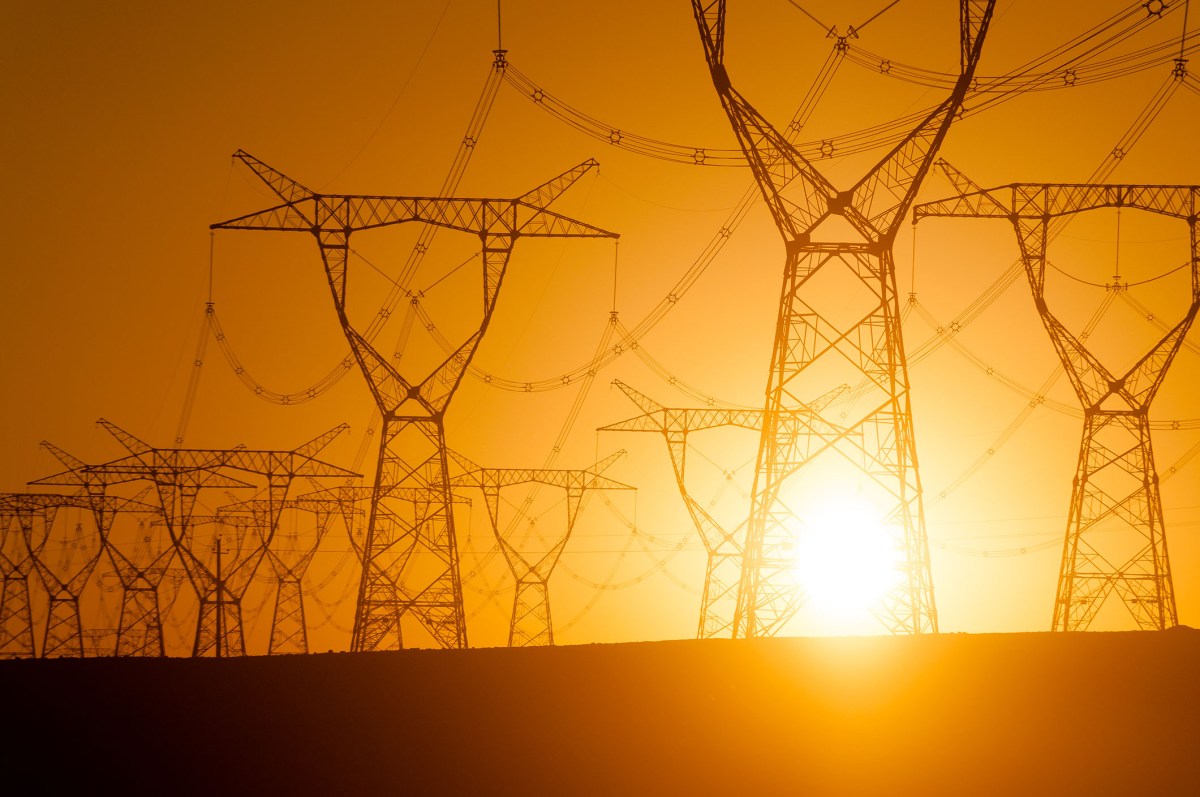
Your Business Relies on Digital Tools. What Happens If the Power Behind Them Falters?
You’re in the middle of a busy morning. Your team uses cloud-based accounting software, your online store is processing orders, and your CRM keeps customer data accessible. Everything depends on electricity. Not just in your office, but in the data centers that run the apps you use daily. Now imagine those data centers face power cuts. That’s not a hypothetical scenario in a distant country. It’s a real decision made by the largest US grid operator, and it’s a warning for Malaysian businesses.
The US grid operator PJM Interconnection, which provides power to 67 million customers, has announced it will cut power to data centers during shortages, starting June 2027. This decision comes as data centers are expected to use four times more electricity by 2035. While this policy applies to the US, the forces behind it are global. Data center demand is growing rapidly everywhere, including Malaysia.
TL;DR: The US is cutting power to large data centers to prevent blackouts, highlighting a global energy challenge. For Malaysian SMEs, this signals potential future disruptions and the need to prepare now. Get ahead by reviewing your energy dependencies and backup plans.
What This Means
Demand response programs have existed for decades. Utilities compensate large users for reducing consumption during peak times. What’s new is applying this explicitly to data centers. These facilities are the engines behind AI, cloud services, and digital tools. When they face power cuts, the ripple effects reach your business. The PJM decision shows that grids are struggling to keep up with data center growth. According to the report, data centers favor diesel generators for backup, but these have environmental and operational limits. Federal rules allow 50 hours per year for demand response events, with more for emergencies.
This move will likely push data centers to invest in on-site power, often from fossil fuels. But it also accelerates interest in energy efficiency and renewables. For your business, the key insight is that energy reliability is no longer a given. The digital tools you depend on have a physical energy footprint that’s becoming harder to sustain.
How This Applies to Malaysian SMEs
Malaysia is emerging as a data center hub in Southeast Asia. Investments from tech giants are driving significant energy demand. Tenaga Nasional, the national grid operator, is expanding capacity, but the pace is challenging. For SMEs, this could mean future tariff adjustments or load management programs. In the US, wholesale electricity prices have nearly doubled due to data center growth, and similar pressures may build here.
Think about your own operations. If you run an online store, any downtime in cloud services can mean lost sales. If you’re in manufacturing, machines that depend on stable power could stop, causing delays. Even service-based SMEs that use video conferencing and collaboration tools could face disruptions if data centers are affected. If you have on-premise servers, you might be included in demand response programs if your consumption is significant.
There’s also the environmental angle. The report notes that Vantage Data Centers came under fire for diesel generator pollution. In Malaysia, environmental regulations are tightening. If you need backup power, consider solutions like solar with battery storage, which are more sustainable and aligned with long-term trends. Improving energy efficiency in your business can also strengthen your resilience. For example, using cloud tools is often more efficient than maintaining local servers, but verify your providers’ energy strategies.
The US situation is a preview. By learning from their challenges now, you can make your SME more prepared for what’s ahead.
Practical Takeaways
- Energy Audit: Identify your critical operations and their power needs. List digital tools you rely on daily.
- Backup Power: Invest in UPS or generators for essential functions. Explore sustainable options like solar to meet future regulations.
- Service Level Agreements: Review your cloud providers’ SLAs for uptime and power redundancy. Ask about their energy sources.
- Grid Awareness: Follow updates from Tenaga Nasional and the Energy Commission. Participate in demand response programs if available.
- Diversify: Use multiple data center regions or hybrid cloud to reduce dependency on a single location.
- Efficiency: Automate processes to reduce energy waste. Automation tools can streamline operations and lower overall consumption.
The Bigger Picture
The energy landscape is shifting. Data centers are a major driver of electricity demand, and grids worldwide must adapt. For SMEs, energy strategy becomes a core business concern. By 2030, similar policies could emerge in Asia as data center growth continues. The push for on-site power at data centers will impact energy markets and environmental goals. Malaysian SMEs can build resilience by being energy-conscious and flexible. Efficiency isn’t just about cutting waste; it’s about ensuring business continuity.
The global move toward cleaner energy is complex but clear. For your SME, the priority is agility. Invest in tools and practices that reduce energy dependence and improve autonomy. Automation, for instance, can help you maintain operations during disruptions. Businesses that prepare for energy volatility will navigate future challenges more smoothly.
“Data centers favor diesel generators since the fuel is widely available and can be stored on-site. But federal regulations allow such generators to be used for up to 50 hours per year for demand response events.” — TechCrunch report
| Data Point from US Grid | Detail |
|---|---|
| Grid operator coverage | 67 million customers |
| Power cut threshold | 50 megawatts or larger |
| Data center power growth | 4x by 2035 |
| Wholesale electricity price | Nearly doubled |
| Backup generator fuel | Diesel |
| Demand response limit | 50 hours per year |
All data sourced from TechCrunch.
The US data center power cuts are a sign of what may come globally. For Malaysian SMEs, the time to act is now. Review your energy posture, invest in resilience, and stay informed. The more prepared you are for energy shifts, the stronger your business will be in the years ahead.
Ready to Streamline Your Operations?
Your business should run itself. AutoRunBiz deploys AI agents to automate your daily operations — WhatsApp orders, invoicing, customer follow-ups, and accounting. Book a free 15-min ops audit to see where automation fits your business →