
Why This Incident Matters to Your Business
If you run a workshop, office, warehouse, retail outlet, property management company or delivery operation, an electric vehicle incident can quickly become your problem even when the vehicle does not belong to you. A fire in a car park can affect access, customer safety, neighbouring vehicles, building operations and your team’s ability to respond calmly.
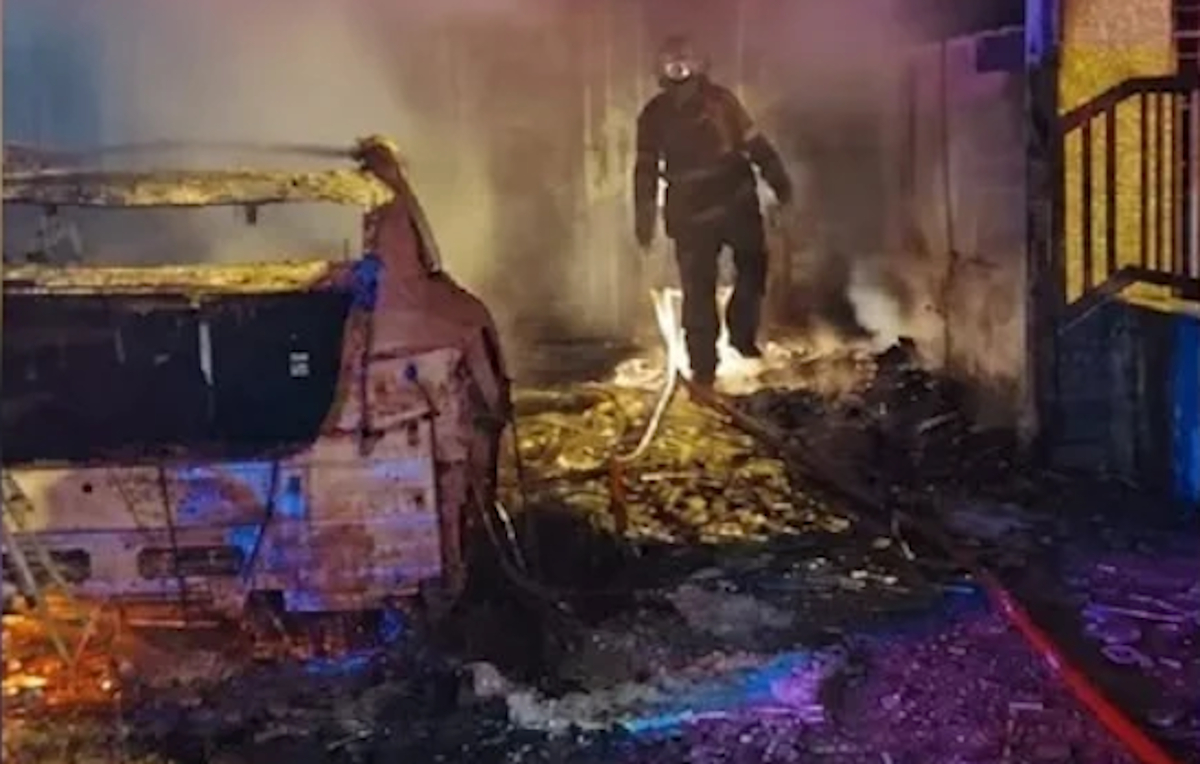
The reported Alam Damai electric vehicle fire has also created an important information-handling question: was the vehicle a Mercedes-Benz EQE? The source article examines that identification rather than presenting assumptions as confirmed facts. That distinction matters for your business because early rumours can spread faster than verified information, especially through WhatsApp groups and social media.
TL;DR
The Alam Damai incident is a reminder to prepare for EV-related emergencies without guessing the vehicle model or fire cause. Your business should maintain a clear incident process, verified contact list, evacuation guidance and a record of what happened.
Good preparation is not about predicting every incident. It is about giving your people the right information and next action when normal operations are disrupted.
What This Means
The article, published on 17 August 2026, asks whether the vehicle involved in the Alam Damai EV fire was a Mercedes-Benz EQE. At the time of discussion, the vehicle identification should be treated carefully unless confirmed by an official statement, emergency service or the vehicle owner.
For you as a business owner, the wider lesson is not simply about one vehicle brand. It is about how your company responds when an incident involves technology that some employees, customers or building operators may not fully understand. An EV fire may raise questions about charging equipment, battery systems, smoke, access routes, isolation procedures and whether normal firefighting methods are suitable.
You do not need to become a battery engineer. You do need a simple response framework. Your team should know who raises the alarm, who contacts emergency services, who keeps people away from the affected area, who informs the building manager and who records verified updates.
The most useful response is not the fastest guess. It is the fastest verified action.
That principle applies to any operational incident. If someone shares an unverified vehicle model, suspected cause or dramatic video, your staff should avoid repeating it as fact. Record what was observed, identify the source and communicate only what people need to stay safe.
How This Applies to Malaysian SMEs
If you operate from a shared building or commercial premises, your first concern is coordination. A fire in a nearby car park may involve your landlord, property manager, security team, neighbouring tenants and emergency responders. Your own staff may not know who has authority to close an entrance or move vehicles. Create a short incident contact sheet containing the building manager, security desk, maintenance contact, fire response contact and your internal decision-maker. Store it somewhere staff can access even if the office system is unavailable.
If you run a workshop, dealership, fleet or delivery business, you may handle vehicles with different charging arrangements and safety requirements. Keep a current register of vehicles, charging locations and responsible drivers. The register does not need to contain complicated technical details. It should help you answer basic operational questions: which vehicle is on site, where is it parked, who was using it and whether it was connected to a charger. This information can help responders and reduce confusion during an incident.
If you manage a retail outlet, restaurant or customer-facing premises, your team may be the first to notice smoke or unusual activity in a nearby parking area. Give staff a clear instruction: move customers away from danger, do not approach the vehicle, alert security or emergency services and keep access routes clear. A cashier, supervisor or waiter should not be expected to investigate the vehicle model or determine the cause before raising an alarm.
If you provide property, facility or maintenance services, use this type of incident to review your reporting process. A tenant may send a photo without context, while a security guard may provide a verbal description that changes as it is repeated. A simple digital form can capture the time observed, location, visible conditions, people affected, actions taken and source of each update. This creates a reliable record for follow-up.
If your team communicates mainly through WhatsApp, separate urgent instructions from discussion. Create one channel for operational alerts and nominate an administrator who posts verified updates. Staff can use another group for questions. This reduces the risk that an unconfirmed message is mistaken for an official instruction.
A Simple Incident Information Model
| Information area | What you should record | Why it helps |
|---|---|---|
| Location | Premises, parking level, access point or nearby landmark | Helps responders and staff reach the correct area |
| Observation | Smoke, flames, alarm, blocked route or visible damage | Separates what was seen from speculation |
| Source | Staff report, security update, building notice or official statement | Shows how the information was verified |
| Action | Evacuation, access restriction, notification or service interruption | Creates accountability for the response |
| Next update | Person responsible for confirming the next status | Prevents silence and repeated guessing |
Practical Takeaways
- Do not confirm the vehicle model from appearance alone. Refer to the original report and official updates before identifying the vehicle.
- Write an incident response checklist. Include alarm raising, emergency contact, access control, evacuation, customer communication and post-incident recording.
- Keep contact information current. Review contacts for your building manager, security team, emergency services and internal supervisors.
- Mark charging locations clearly. Staff should know where company vehicles are charged and who is responsible for them.
- Keep emergency routes clear. Do not allow temporary storage, parked motorcycles, delivery goods or unused equipment to obstruct access.
- Train staff not to investigate unnecessarily. Their role is to alert, move people away and follow instructions, not identify the cause.
- Use a standard incident form. Capture the location, observation, source, action and follow-up owner.
- Prepare a customer message. Keep it factual: explain whether access is restricted, where customers should go and when another update will be issued.
- Review the response after every incident. Ask what information was missing, which decision took too long and what should be automated.
Using Automation Without Making Response Complicated
Automation can support this process with simple workflows. For example, when a staff member submits an incident report, the system can notify the responsible supervisor, create a task for the building contact and store the report in a central record. If the incident affects access or deliveries, the workflow can alert the relevant team without requiring someone to copy and paste the same message repeatedly.
You can also create approval steps for external communication. A staff member records the observation, a supervisor verifies the wording and an authorised person approves the customer update. This keeps your response quick while reducing the risk of publishing an incorrect vehicle model or unverified cause.
For smaller teams, the system does not need to be complicated. A form, notification rule, task list and incident log may be enough. The main benefit is consistency: the same essential information is captured whether the issue is a vehicle fire, water leak, power interruption or security concern.
The Bigger Picture
As more businesses, households and fleets adopt electric vehicles, your emergency planning will need to account for unfamiliar equipment in familiar places. Car parks, loading areas, service bays and office buildings may all contain vehicles with different operating and charging requirements.
That does not mean every SME needs a specialist department. It means your existing safety and operations process should be flexible enough to handle new technology. You need dependable contacts, clear responsibilities, accurate records and practical staff instructions.
The Alam Damai report also highlights the importance of responsible communication. A vehicle’s brand or model may attract attention, but your business response should focus on verified facts and immediate safety. If you build that habit now, your team will be better prepared for many types of disruption, not only an EV incident.
Start with one short checklist, one central incident record and one person responsible for keeping the process current. Then test it with your team. Preparation becomes useful when people can follow it under pressure.
Ready to Streamline Your Operations?
Your business should run itself. AutoRunBiz deploys AI agents to automate your daily operations — WhatsApp orders, invoicing, customer follow-ups, and accounting. Book a free 15-min ops audit to see where automation fits your business →