
Automation Still Needs Human Oversight
If you run a Malaysian SME, you probably use automation to help your team move faster. Software sends reminders, updates records, processes orders, or flags unusual activity. That convenience is valuable—but it can also create a dangerous assumption: if the system is active, it must be correct.
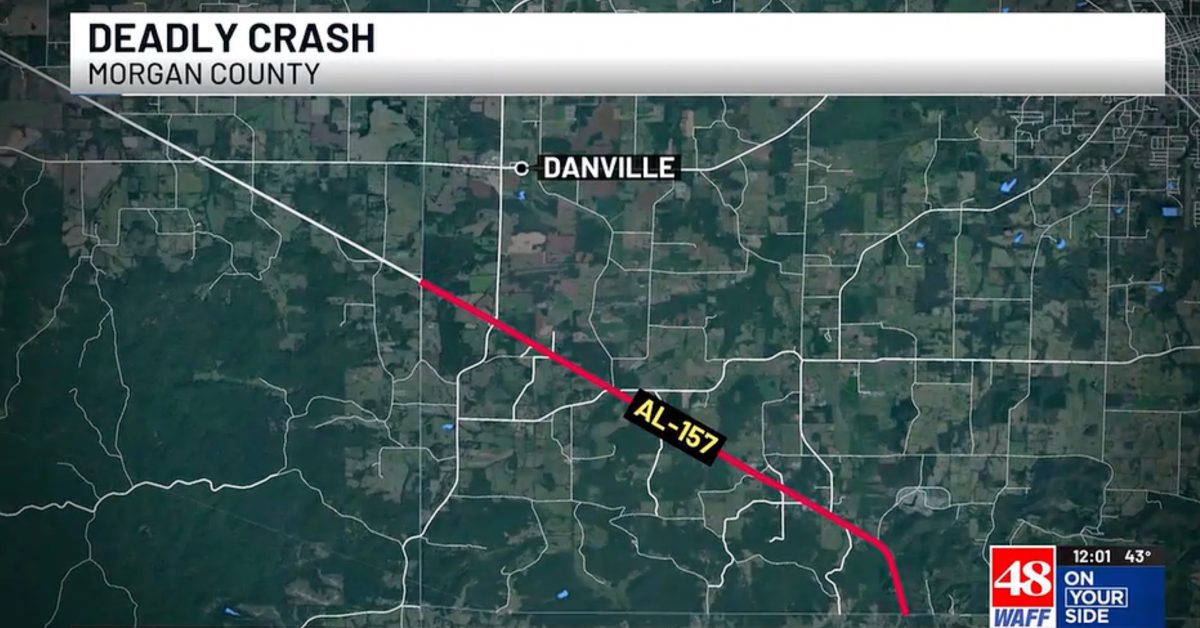
A recent Tesla crash in Alabama provides a serious example of why that assumption deserves attention. According to an Electrek report, Tesla data confirmed that a driver-assistance system was engaged shortly before a vehicle left the road, struck trees, and caught fire. The incident involved a fatality and an infant who survived after being rescued by a passerby.
The lesson for your business is not about electric vehicles alone. It is about how you design, supervise, and review automated systems when the consequences of a mistake are significant.
TL;DR
Automation can assist your employees, but it should not quietly replace responsibility. Build clear approval steps, exception alerts, activity logs, and regular reviews into every important workflow.
If a system makes a wrong decision, you need to know what happened, who was responsible, and how to prevent a repeat.
What This Means
The vehicle in the report was using a Level 2 driver-assistance system. That means the technology can help with steering, speed, or lane control, but the human driver remains responsible for monitoring the road. The system is not an independent driver.
The reported filing stated that the system was “Verified Engaged” and recorded a pre-crash speed of 55 mph, or approximately 89 km/h. These figures are reported by Electrek. However, the report also said that important details—including the software version and narrative explanation—were redacted.
For an SME, this is similar to using an automated business workflow without having enough visibility into its decisions. Your system may send an invoice, reject a lead, assign a delivery, or update a customer record. But if you cannot see the trigger, rule, user, timestamp, and outcome, you may struggle to investigate when something goes wrong.
Automation should reduce routine work, not remove accountability. The more important the decision, the more clearly you need human supervision and an audit trail.
How This Applies to Malaysian SMEs
Consider a Malaysian wholesaler using automation to process customer orders. A sales representative may enter an order through WhatsApp, a form, or an accounting system. An automated workflow then creates a sales order and sends it to the warehouse. If a product code is wrong or the requested quantity is unusual, the system may still continue unless you have validation rules and exception alerts.
In this case, automation has not “understood” the customer’s intention. It has simply followed a rule. You should therefore create checkpoints for situations such as unusually large orders, missing delivery details, out-of-stock items, or orders from a new customer. The system can handle normal transactions while a staff member reviews exceptions.
A service company faces a similar issue with appointment scheduling. Suppose your business automatically assigns technicians based on location and availability. That may work for standard jobs, but not necessarily for urgent cases, specialised equipment, restricted sites, or customers who require a particular language. A manager should be able to review flagged assignments before they are confirmed.
Retailers and online sellers also need this discipline. Automated stock updates can reduce manual data entry, but a synchronisation error could show an item as available when it is not. If the system automatically accepts every order, your team may later need to explain delays or substitutions. A simple control—such as alerts when stock levels change sharply or when a high-volume order arrives—can prevent a small data error from becoming a customer-service problem.
For professional firms, the risk may involve documents and approvals. An automated system can prepare a quotation, generate a renewal reminder, or route a contract to the next person. However, it should not be assumed that the generated document is always accurate. Malaysian SMEs should retain human review for legal wording, client commitments, compliance documents, payroll changes, and any communication that could affect trust.
Why “The System Was Active” Is Not Enough
The Tesla report highlights an important distinction: knowing that a system was active does not explain whether it operated correctly. You need more context to understand the event.
In business, a log saying “workflow completed” is rarely sufficient. You may also need to know:
- Which rule or trigger started the workflow?
- What information was available at that moment?
- Which user entered or changed the data?
- What decision did the system make?
- Was an exception ignored or overridden?
- What notification was sent, and to whom?
- When did a human last review the process?
Without these details, your team may waste time arguing about what happened instead of fixing the process. Good automation should make investigation easier, not harder.
A Practical Control Framework for Your Business
You can apply a simple three-level structure to your workflows. The exact categories will depend on your business, but the principle is straightforward.
| Workflow type | Example | Recommended control |
|---|---|---|
| Low risk | Daily internal reminders | Automatic processing with basic activity logs |
| Moderate risk | Stock updates or appointment allocation | Exception alerts and staff review when conditions change |
| High risk | Payroll changes, contracts, refunds, or compliance submissions | Named approval, complete audit trail, and restricted access |
This structure helps you avoid two common mistakes. The first is allowing automation to act without supervision in sensitive areas. The second is forcing employees to manually approve every small task, which removes the benefit of automation.
Practical Takeaways
- List your automated workflows. Include sales, customer service, finance, operations, HR, and document handling.
- Mark sensitive decisions. Identify anything involving payroll, customer refunds, contractual commitments, personal data, or regulatory obligations.
- Add exception rules. For example, flag an unusually large order, a duplicate payment, or a sudden change in stock.
- Assign an owner. Every important workflow should have a named person responsible for reviewing outcomes.
- Keep a usable audit trail. Record the trigger, data used, action taken, user involved, and timestamp.
- Test failure scenarios. Check what happens when information is missing, duplicated, outdated, or contradictory.
- Review permissions. Staff should only be able to approve or change what their role requires.
- Train employees on system limits. Make it clear that an automated result still needs judgement when the situation is unusual.
- Review incidents without blame first. Focus on which control failed and what should change.
What You Should Ask Your Software Provider
Before expanding an automated workflow, ask practical questions. Can you see a full activity history? Can the system show why a decision was made? Can you pause an automation quickly? Can a manager approve exceptions from a phone? Can you export records for an investigation? Can you test changes without affecting live operations?
You should also ask how the platform handles failed actions. If an email is not delivered, a payment status is delayed, or an integration stops working, does someone receive an alert? Silent failures are especially risky because your team may assume that a task was completed.
The Bigger Picture
Automation will continue to become part of everyday SME operations. More tools will draft messages, classify enquiries, match documents, predict stock needs, and recommend actions. That can help a small team handle more work, but it also makes process design more important.
The strongest businesses will not be those that automate the most tasks. They will be those that automate routine work while preserving human judgement where context matters. They will also know how to reconstruct an incident when an outcome is unexpected.
The Tesla case, as described by Electrek, is a reminder that a system being engaged is not the same as a system being reliable in every situation. The same principle applies to your CRM, accounting platform, HR software, inventory system, and customer-service tools.
Start with one important workflow this week. Identify where an automated action could cause harm, add a clear human checkpoint, and confirm that the activity can be reviewed later. That small step can give you faster operations without giving up control.
Ready to Streamline Your Operations?
Your business should run itself. AutoRunBiz deploys AI agents to automate your daily operations — WhatsApp orders, invoicing, customer follow-ups, and accounting. Book a free 15-min ops audit to see where automation fits your business →