
When a Subscription Becomes Harder to Justify
If you run a Malaysian SME, you probably recognise the problem: a service that seemed affordable at the start gradually becomes another recurring commitment to monitor. One subscription may not worry you. Several tools across operations, marketing, accounting, communication and entertainment can quietly create administrative work and reduce your visibility over what your business actually uses.
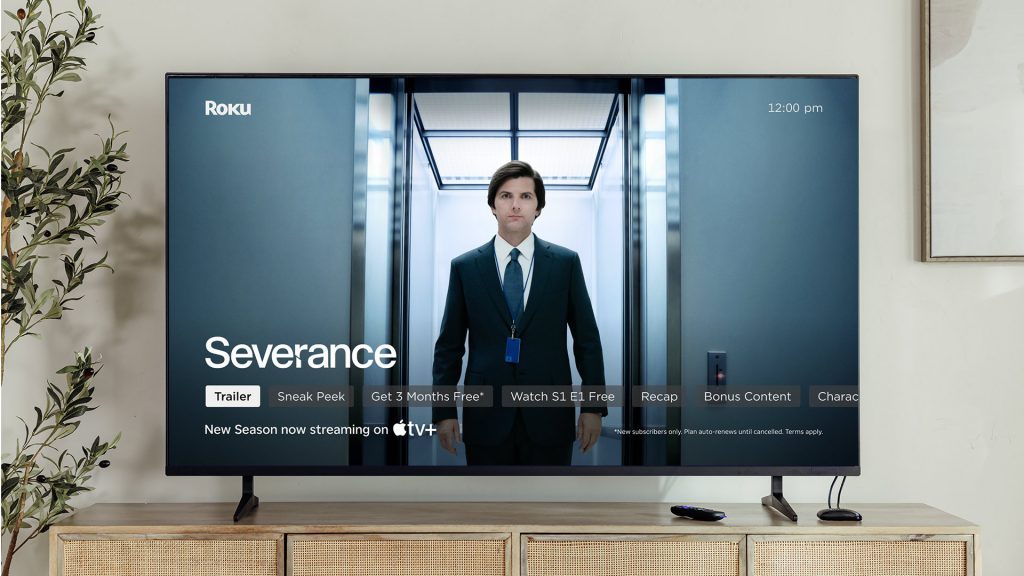
The latest Apple TV price increase is a useful reminder that recurring revenue is not automatically secure. According to TechCrunch, Apple TV’s monthly subscription is increasing from US$12.99 to US$14.99, while the annual plan is rising from US$99 to US$119. Apple One is also increasing from US$19.95 to US$21.95 per month. This is the fourth Apple TV price increase in four years, according to the same report. Source: TechCrunch
TL;DR: Subscription businesses must keep proving their value, especially after repeated price changes. For your SME, the lesson is to review every recurring service, measure actual usage and communicate changes clearly before customers feel ignored.
It also means you should treat your own business subscriptions as a portfolio, not as isolated expenses. A small amount of unused software, duplicated functionality or unmanaged renewals can create unnecessary complexity in your daily operations.
What This Means
A subscription model gives customers continuing access to a service instead of requiring a one-time purchase. For the provider, this creates predictable recurring revenue. For the customer, it creates convenience, regular updates and fewer large purchasing decisions.
However, a subscription only remains attractive when the customer continues to see sufficient value. If the price rises repeatedly while the service appears unchanged, customers may question whether they should stay. They may compare alternatives, downgrade, share access, pause usage or cancel altogether.
Apple is not the only major streaming provider changing its prices. TechCrunch also reported that Netflix raised prices in March and Peacock announced a price increase earlier in the month. The report connected wider technology price pressure with rising hardware costs caused by demand for equipment used to build artificial intelligence data centres. Source: TechCrunch
For a small business owner, the important point is not the entertainment service itself. The important point is the relationship between price, perceived value, usage and communication. Customers rarely judge a price in isolation. They judge whether the result they receive still feels worthwhile.
“A recurring payment is a recurring promise: every billing cycle, your customer asks whether the result still justifies staying.”
How This Applies to Malaysian SMEs
First, review the subscriptions your business already uses. You may have separate tools for customer enquiries, invoicing, staff scheduling, online forms, file storage, email marketing and reporting. Over time, different employees may subscribe to services independently. Some tools may overlap, while others may be used only once a month. A simple review can show which systems are essential, which are underused and which create duplicate work.
For example, a Klang Valley renovation company might use one application to capture leads, another to create quotations and a spreadsheet to track follow-ups. The problem is not necessarily any single tool. The problem is that information is spread across several places. When a salesperson forgets to update the spreadsheet, the owner may not know which prospects received a quotation. A connected workflow can reduce manual updates and make follow-up status visible.
Second, think about retention in your own customer relationships. A Malaysian tuition centre, gym, clinic or maintenance company may receive recurring payments, but that does not guarantee loyalty. Customers will continue when they notice reliable service, clear communication and useful outcomes. You can strengthen retention by sending appointment reminders, progress updates, renewal notices and short summaries of completed work.
Consider a Johor-based air-conditioning servicing business. Instead of contacting customers only when a service is due, the business could maintain a record of equipment, previous visits and recommended follow-up dates. Automated reminders can help customers remember maintenance while giving staff a clear task list. The customer experiences dependable service, and the owner gains a more organised process.
Third, be careful when changing your own recurring plans. If you operate a membership, maintenance agreement or service package, provide advance notice and explain what customers receive. Avoid sending a vague message that focuses only on the new amount. Explain any additional support, improved response time, expanded coverage or operational improvement that supports the change. If there is no visible improvement, customers may reasonably ask why the change is necessary.
A small F&B supplier could apply this principle to standing delivery arrangements. If delivery schedules, order tracking or stock notifications improve, the supplier should show customers how the service now works. Even a short explanation can reduce confusion. The same applies to professional services, monthly reporting packages and recurring administrative support.
Finally, do not copy large technology companies blindly. A global platform may have a large content library, brand recognition and many integrated services. Your customers may choose you for personal attention, local knowledge and responsiveness. Your advantage is often the ability to notice individual needs and act quickly. Automation should help you deliver that experience consistently rather than make communication feel distant.
A Simple Subscription Review
Use the following table to assess recurring services across your business. The numbers in the table are a practical scoring framework, not industry benchmarks.
| Review area | Question to ask | Suggested action |
|---|---|---|
| Usage | How often was the service used in the last 90 days? | Keep, consolidate or cancel after checking dependencies |
| Users | How many of your 1–50 employees actively need access? | Remove inactive users and review permission levels |
| Overlap | Does another system perform the same task? | Choose one primary workflow |
| Outcome | What business result does the service support? | Define one measurable outcome, such as faster response |
| Renewal | Who checks the renewal date and terms? | Assign one owner and record the date centrally |
Practical Takeaways
- List every recurring service: Include software, communication tools, storage, memberships and services paid by individual staff members.
- Review the last 90 days of usage: Look at logins, active users, completed workflows and reports actually used.
- Remove duplicate processes: If staff copy information between systems, identify whether one workflow can be simplified.
- Assign an owner: Every subscription should have someone responsible for renewal, access and usefulness.
- Track customer outcomes: Monitor response time, repeat bookings, completed follow-ups or unresolved enquiries.
- Communicate changes early: Explain what is changing, when it changes and what customers should expect.
- Make value visible: Send confirmations, progress updates, service records and reminders instead of assuming customers notice your work.
- Protect customer trust: Do not make a recurring commitment difficult to understand or cancel.
The Bigger Picture
Repeated subscription price increases are part of a broader shift in how businesses sell and buy services. Customers are becoming more selective because recurring commitments accumulate. They want fewer tools, clearer outcomes and less administrative friction.
That creates an opportunity for Malaysian SMEs. You do not need the largest technology budget or the most complicated software stack. You need a clear view of how work moves from enquiry to delivery, payment, follow-up and repeat business. Automation can help connect these steps, but the process should be designed around your customer and staff—not around collecting more applications.
The same principle applies if you plan to introduce your own recurring service. Start by defining the regular result you promise. Decide how you will demonstrate that result. Create a process for handling renewals, complaints and changes. Then review customer behaviour regularly instead of assuming people will remain simply because they joined before.
Apple’s reported price changes show that even well-known services must continue defending their value. For your business, the practical lesson is straightforward: make every recurring relationship easier to understand, easier to manage and more useful over time. When customers can see the benefit, and your team can deliver it consistently, retention becomes part of the process rather than a last-minute effort.
Ready to Streamline Your Operations?
Your business should run itself. AutoRunBiz deploys AI agents to automate your daily operations — WhatsApp orders, invoicing, customer follow-ups, and accounting. Book a free 15-min ops audit to see where automation fits your business →