
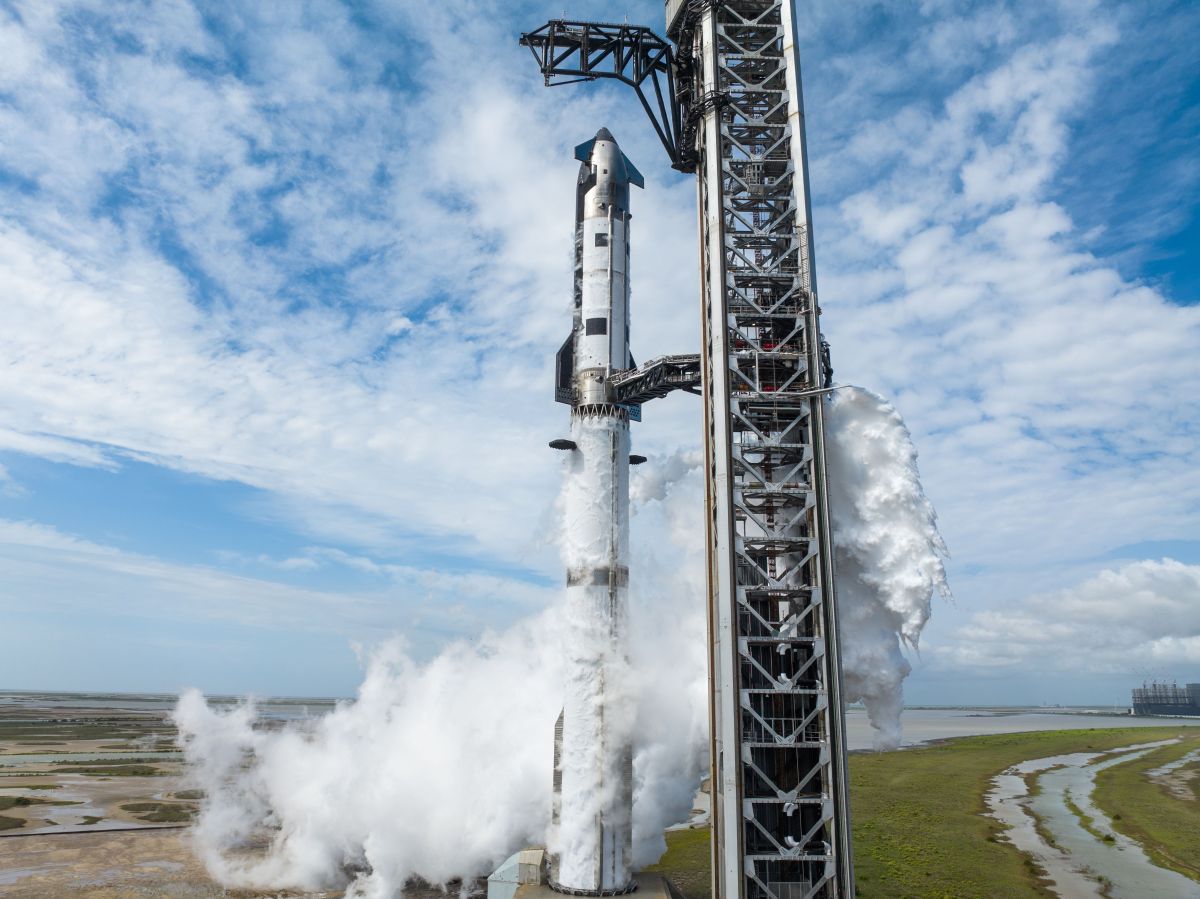
Why a Massive Spaceport Matters to Your Smaller Business
You do not need to build rockets to face the same problem as SpaceX: growth becomes difficult when your operations depend too heavily on one location, one process, or one critical team. A single site may work while demand is manageable. As orders, customers, staff, and compliance requirements increase, that same setup can become a bottleneck.
SpaceX plans to build a second Starbase spaceport at a former Exxon property in Louisiana, with construction expected to begin in 2027 and initial operations targeted for 2030, according to TechCrunch. The announcement is not directly relevant to most Malaysian SMEs as an aerospace project. However, the thinking behind it is highly relevant: build capacity before your existing operation becomes too fragile to support the next stage of growth.
TL;DR: SpaceX is planning a second launch base to increase future capacity and reduce dependence on one location. For your SME, the practical lesson is to document processes, create backup capacity, and expand in stages rather than waiting for a crisis.
Before copying any expansion strategy, remember that SpaceX has not yet fully proven the reusable Starship system that the new site is designed to support. The company has conducted 13 Starship test flights since 2023, while still working toward reliably returning both rocket stages and refurbishing them quickly, as reported by TechCrunch. That detail offers an important warning for you: do not build a larger operation around assumptions you have not tested.
What This Means
In plain language, SpaceX is separating future capacity planning from its current operating base. The Louisiana site is intended to include launch facilities, propellant production, power generation, shipping access, vehicle processing, and an airport, according to the company’s plans reported by TechCrunch.
This is more than adding another building. It is an attempt to create a connected operating system in a new location. The facilities, people, transport links, safety procedures, suppliers, and supporting agencies must work together. If one part is missing, the whole site may not perform as intended.
Your SME may have a smaller version of the same problem. A wholesaler may depend on one warehouse. A services firm may rely on one person who knows how every client account works. A manufacturer may have one machine that controls production speed. An online seller may depend on one fulfilment partner. These arrangements can appear efficient until demand rises or something goes wrong.
The useful lesson is not “expand quickly.” It is “design your next stage before your current stage becomes a constraint.”
SpaceX is also making a large bet while its core technology remains under development. For an SME, this translates into a simple discipline: pair every expansion plan with a proof point. Before opening a second outlet, prove that the first outlet can run with documented procedures. Before hiring a sales team, prove that leads are tracked consistently. Before adopting a new system, test it with one department and a clear success measure.
How This Applies to Malaysian SMEs
1. Build a second operating option before you urgently need one. If you run a food business, your main kitchen or outlet may be carrying almost all your sales. A temporary closure caused by equipment failure, flooding, maintenance, or staffing problems can interrupt orders immediately. You can prepare by identifying an approved backup kitchen, standardising recipes, keeping supplier alternatives, and storing operating instructions where authorised staff can access them. You may not need a second full outlet yet, but you should know what happens if the first one is unavailable.
2. Treat process documentation as expansion infrastructure. A Malaysian trading company may have a capable founder who handles quotations, customer approvals, supplier negotiations, delivery coordination, and payment follow-ups. That may work with a small customer base, but it creates a single point of failure. Document how enquiries become quotations, how orders are confirmed, how stock is checked, and how delivery issues are escalated. Use a shared workflow or business automation system so the process does not live only in WhatsApp messages, personal notebooks, or one employee’s memory.
3. Plan capacity around actual bottlenecks. A Selangor-based manufacturer might believe it needs a bigger premises, when the real constraint is quotation approval or production scheduling. A Johor logistics provider might add vehicles, while the real issue is that job details are entered inconsistently. Before expanding, measure where work waits. Track enquiry response time, order processing time, delivery delays, rework, and unresolved customer requests. The numbers will show whether you need more people, better scheduling, clearer approvals, or a separate operating site.
4. Design for local operating conditions. A second location in Malaysia must account for travel time, supplier coverage, staff availability, monsoon disruption, local council requirements, and customer concentration. A business serving Klang Valley may choose a southern or northern fulfilment point for resilience, but only if inventory rules and handover procedures are clear. The goal is not to duplicate everything. The goal is to make the most important customer commitments less dependent on one place.
5. Separate ambition from readiness. SpaceX’s Louisiana announcement comes before Starship has fully demonstrated the operating performance required for frequent reusable launches, according to TechCrunch. You can apply the same caution to your own plans. If you want to expand into Penang, Sabah, Singapore, or a second Kuala Lumpur outlet, first test whether your current sales process, fulfilment process, reporting, and customer support can operate without constant founder intervention.
Numbers Worth Noticing
| Reported detail | What an SME can learn |
|---|---|
| Construction is expected to start by the end of 2027 | Large capacity decisions require preparation before the facility is operational. |
| Initial operations are expected in 2030 | Expansion timelines should include testing, training, approvals, and contingency time. |
| 3,000 direct jobs are projected over 10 years | Growth planning must include people, responsibilities, and training—not just premises. |
| More than 30,000 construction jobs are expected at peak buildout | Large projects create coordination challenges across many external parties. |
| SpaceX has conducted 13 Starship test flights since 2023 | Test important processes repeatedly before making them central to expansion. |
All figures in this table come from the source article published by TechCrunch. For your business, the equivalent numbers could be your monthly orders, average response time, fulfilment capacity, outstanding approvals, or the percentage of work requiring your personal involvement.
Practical Takeaways for Your Business
- Map your single points of failure: list the people, systems, suppliers, machines, and locations that could stop operations if unavailable.
- Choose one backup first: identify an alternative supplier, temporary workspace, delivery partner, or trained staff member for your most important risk.
- Document the repeatable work: create simple checklists for sales enquiries, quotations, order confirmation, purchasing, delivery, invoicing, and complaints.
- Use one shared source of truth: make sure customer and job status can be checked by authorised team members without searching across multiple chats.
- Run a small pilot: test a new branch workflow, automation, supplier, or service area with limited scope before rolling it out.
- Set expansion gates: define the conditions required before adding capacity, such as consistent order volume, documented procedures, trained supervisors, and reliable reporting.
- Review safety and compliance: growth can increase workplace risks, delivery errors, and record-keeping obligations. Include these in planning from the start.
- Review the plan quarterly: update your assumptions when customer demand, staffing, suppliers, regulations, or operating conditions change.
The Bigger Picture
The long-term lesson from SpaceX’s second Starbase is that ambitious growth depends on infrastructure. Infrastructure is not limited to buildings, vehicles, or machinery. It includes the way decisions are approved, information is recorded, work is handed over, and problems are escalated.
For Malaysian SMEs, this matters because growth often happens unevenly. One month you may manage comfortably; the next month, a major customer, new sales channel, or seasonal rush puts pressure on every part of the business. If your systems are informal, the pressure lands on you and a few key employees.
A scalable business does not require every process to be complicated. In fact, the best operating setup is usually clear and boring: every job has an owner, every deadline is visible, every exception has a next step, and important records are easy to find. Automation can help by routing enquiries, reminding staff about follow-ups, updating job statuses, and producing management reports. But automation should support a process you understand—not hide a process that nobody has properly designed.
SpaceX’s Louisiana plan also highlights the need to balance speed with responsibility. A large facility must consider workers, surrounding communities, transport, environmental impacts, and government agencies. Your business faces the same principle at a smaller scale. Adding staff affects training and supervision. Adding delivery volume affects safety and customer communication. Opening a new location affects service consistency and local requirements.
Start with one question: What would prevent you from serving customers properly if demand increased by 30% next month? The answer will point to the process worth improving first. Fix that bottleneck, test the improvement, and then plan the next layer of capacity. That is how you make growth more dependable without copying the scale—or the uncertainty—of a spaceport project.
Ready to Streamline Your Operations?
Your business should run itself. AutoRunBiz deploys AI agents to automate your daily operations — WhatsApp orders, invoicing, customer follow-ups, and accounting. Book a free 15-min ops audit to see where automation fits your business →