
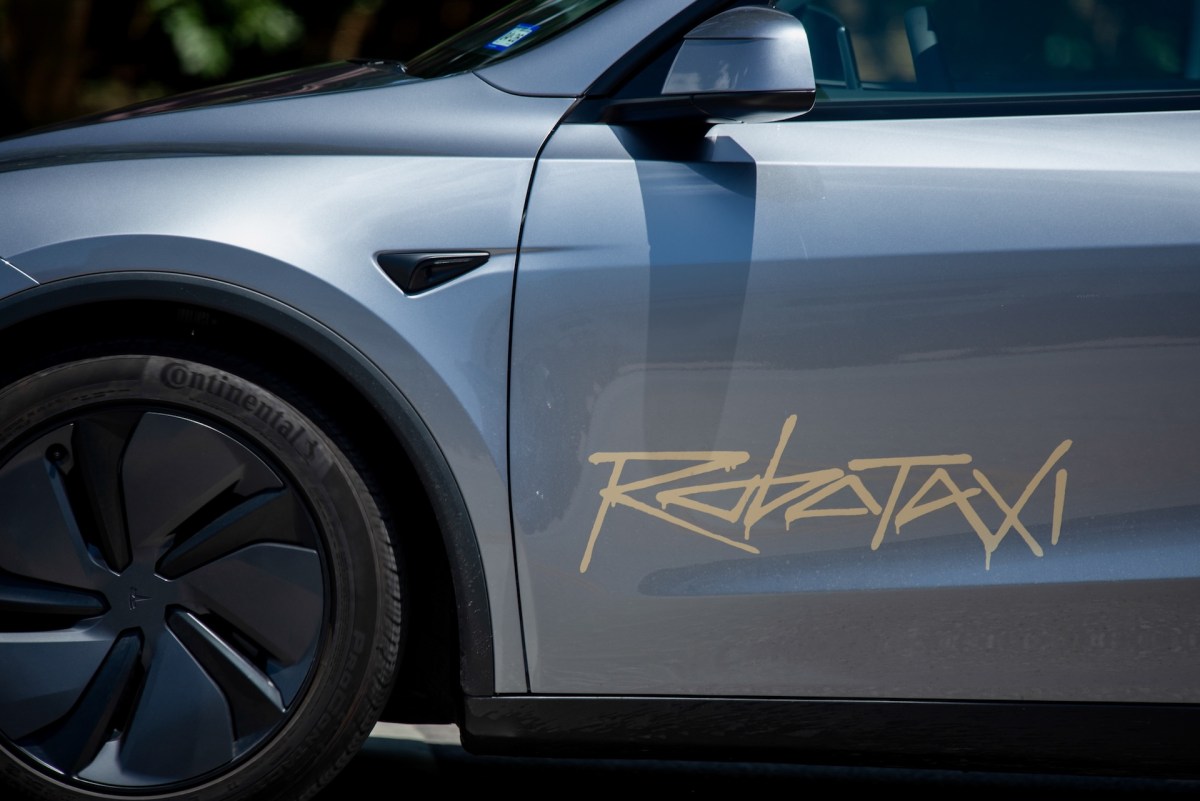
Why a Robotaxi Story Matters to Your Business
You may not run a transport company, manage a fleet, or operate anywhere near Las Vegas. So a decision by Nevada regulators to approve thousands of robotaxis can seem distant from your daily concerns.
But the important issue is not whether self-driving cars will arrive on your street tomorrow. The bigger question is how quickly automation is moving from experiments into regulated, customer-facing services. When that happens, it changes expectations around delivery, transport, customer support, staffing, and business operations.
According to TechCrunch, Nevada approved permits for Tesla, Uber, and Waymo to operate up to 8,000 robotaxis in Clark County over the following year. Tesla received approval for up to 5,000 vehicles, while Waymo and Uber each received approval for up to 1,000. The approved numbers are ceilings, not confirmed deployment figures.
TL;DR
Robotaxis show that automation is moving into real commercial operations, not just demonstrations.
For your SME, the practical lesson is to prepare your processes, customer data, and workforce for more automated services before competitors force the issue.
What This Means
A robotaxi is an autonomous vehicle that provides passenger transport without a human driver being responsible for every journey. The vehicle uses sensors, software, mapping, remote assistance, and operating rules to travel within approved areas.
The Nevada decision matters because several major companies can now compete for riders in the same market. Tesla could deploy up to 5,000 vehicles, Waymo up to 1,000, and Uber up to 1,000 through partners including Motional and Zoox, based on the permit details reported by TechCrunch. Zoox separately held a permit allowing it to operate 100 robotaxis, also according to the same report.
The companies may not reach their maximum permitted numbers. Tesla’s chief engineer said the 5,000-vehicle figure was a ceiling and suggested the company might be satisfied with approximately 2,500 or somewhat more within a year, as reported by TechCrunch.
That distinction is useful for you as a business owner. Technology announcements often describe the largest possible rollout, but practical adoption depends on regulation, staff, customer trust, maintenance, infrastructure, and day-to-day reliability.
The useful lesson is not “replace people immediately.” It is “design your business so people and automation can work together when the opportunity arrives.”
How This Applies to Malaysian SMEs
1. Transport and delivery businesses should prepare for mixed operations. If you operate a courier service, restaurant delivery business, pharmacy delivery service, or parts distribution company, autonomous vehicles may eventually become one option in your delivery network. Human riders and drivers will still be important for complex routes, cash handling, customer interaction, and locations that automated systems cannot serve easily. However, routine deliveries may become increasingly managed by software and automated vehicles.
You can prepare by recording delivery details in a consistent digital format: pickup address, drop-off address, delivery time, item type, customer instructions, proof of delivery, and failed-delivery reason. This information helps you understand which routes are predictable enough for future automation and which still require human judgement.
2. Retail and hospitality businesses should expect smoother self-service. Malaysian hotels, restaurants, clinics, shopping centres, and tourist businesses may increasingly connect with automated transport platforms. A hotel in Kuala Lumpur, Penang, Johor Bahru, or Langkawi could eventually coordinate airport transfers, guest notifications, luggage collection, and arrival updates through a digital system rather than relying on phone calls between staff.
You do not need autonomous vehicles to start improving this process. Create clear booking records, automate confirmation messages, and give staff a single view of each customer request. If your operations are already organised, connecting to a future transport platform becomes much easier than rebuilding everything from paper notes and chat messages.
3. Service businesses should examine which tasks truly need a person. The Nevada debate includes concern that robotaxis could reduce demand for taxi and gig drivers, while also creating work related to vehicle cleaning, charging, maintenance, and fleet supervision, as reported by TechCrunch. Your business may face a similar question in a different form: which staff tasks depend on judgement, empathy, negotiation, or physical presence, and which tasks mainly involve repeating information?
For example, a property agency may keep people focused on viewings and negotiations while automating appointment reminders. A repair company may keep technicians in the field while automating job allocation and status updates. A wholesaler may keep sales staff focused on relationships while automating stock alerts and order confirmations.
Useful Numbers to Keep in Mind
| Item | Reported figure | Why it matters |
|---|---|---|
| Permitted robotaxis in Clark County | Up to 8,000 | Shows the potential scale of one regulated market |
| Tesla permit ceiling | Up to 5,000 vehicles | Illustrates how one operator could influence service expectations |
| Waymo permit | Up to 1,000 vehicles | Shows direct competition within the same operating area |
| Uber permit | Up to 1,000 vehicles | Represents a hybrid model involving autonomous partners |
| Zoox existing permit | 100 robotaxis | Shows that approvals can be structured in stages |
| Tesla’s suggested possible deployment | Approximately 2,500 or more | Highlights the difference between an approved ceiling and actual rollout |
All figures in this table come from the TechCrunch report. The numbers describe the Nevada permits and should not be treated as forecasts for Malaysia.
Practical Takeaways for Your Business
- Map your repetitive work. List tasks such as order entry, appointment reminders, delivery updates, invoice follow-ups, and stock notifications.
- Separate exceptions from routine work. Decide which situations need human judgement and which can follow a standard workflow.
- Centralise customer information. Keep contact details, service history, preferences, and requests in one reliable system.
- Track operational data. Measure fulfilment time, failed deliveries, missed appointments, response time, and repeat issues. Each data point should help you decide what to improve.
- Prepare staff for higher-value responsibilities. Train employees to handle exceptions, customer relationships, quality checks, and problem-solving rather than only manual administration.
- Use a staged approach. Start with one workflow, test it, review the results, and expand only after your team can manage it confidently.
- Review compliance requirements. Transport, customer data, employment, and safety rules may apply differently as automation becomes more connected to your operations.
A Practical Starting Plan
Begin with a one-week process review. Ask each team member to record the repetitive tasks they complete and how often those tasks cause delays or mistakes. Do not begin by asking, “What technology should we buy?” Ask, “Where are we losing time because information is copied, forgotten, or waiting for approval?”
Next, choose one process with clear inputs and outputs. Customer appointment reminders are a good example. The required information may include the customer name, appointment date, service type, staff member, and confirmation status. Once the process is written down, you can decide whether automation should send reminders, notify staff, or flag customers who have not responded.
Finally, establish a human checkpoint. Automation should not quietly create errors at scale. Assign someone to review unusual cases, handle complaints, and check whether the process is producing the intended result.
The Bigger Picture
The Nevada approvals suggest that commercial automation will increasingly be judged by its ability to operate safely and consistently in public environments, not merely by impressive demonstrations. The reported debate also shows that adoption affects workers, road usage, service capacity, and regulation at the same time.
For Malaysian SMEs, this means waiting until a technology becomes common may leave you with less room to adapt. You do not need to predict which company will lead autonomous transport, or when robotaxis will become widespread locally. You need to build a business that can adopt useful tools without disrupting every department.
Human work will remain important, especially where customers need trust, empathy, local knowledge, physical handling, or accountability. The strongest operating model for many SMEs will be a practical combination: automation handles predictable coordination, while your people handle judgement and relationships.
When you improve your workflows now, you are not committing to driverless vehicles or any single technology. You are making your business easier to manage, easier to measure, and more ready for the next change in how customers expect service.
Ready to Streamline Your Operations?
Your business should run itself. AutoRunBiz deploys AI agents to automate your daily operations — WhatsApp orders, invoicing, customer follow-ups, and accounting. Book a free 15-min ops audit to see where automation fits your business →