
When a Cyberattack Becomes a Business Problem
You may think ransomware is mainly a concern for governments, banks, or large corporations. Your business has fewer employees, fewer systems, and perhaps no dedicated IT department. That can make cybersecurity feel like something to handle later.
But a small business can still hold valuable information: customer records, supplier details, investigation-related documents, staff files, invoices, passwords, and operational data. If one important computer or cloud account becomes unavailable, your team may be unable to serve customers, fulfil orders, or communicate properly.
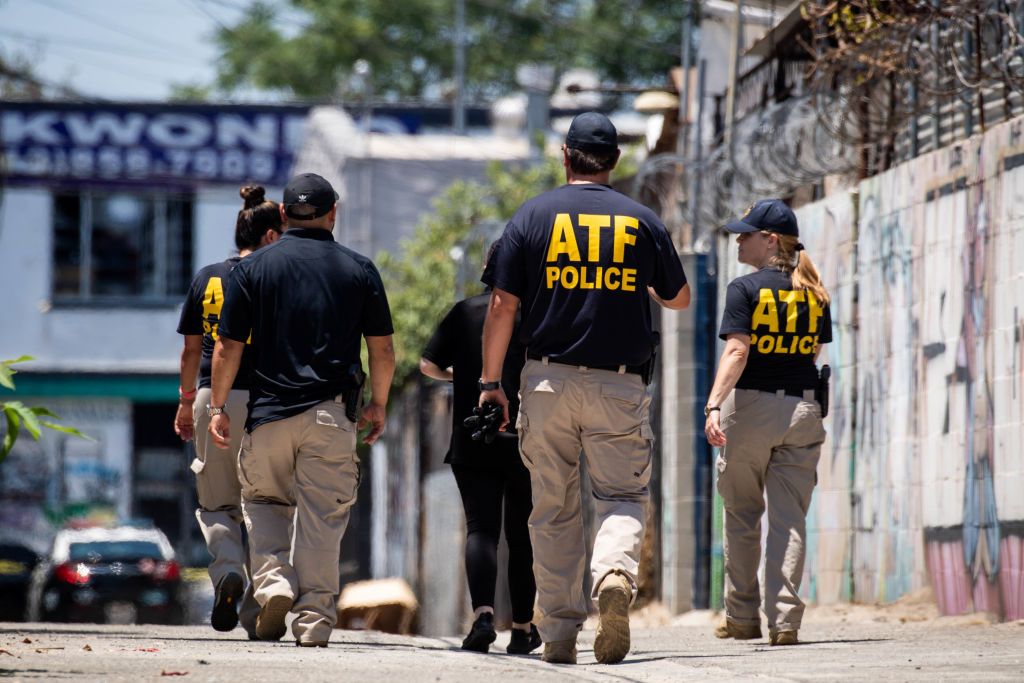
The reported cyberattack involving the U.S. Bureau of Alcohol, Tobacco, Firearms and Explosives, or ATF, is a useful reminder. The agency classified the incident as a “major incident” after an attack affected a stand-alone system containing information such as the targets of ATF investigations. A ransomware group claimed responsibility, although the report said it provided no evidence for the claim. Source: TechCrunch
TL;DR
Ransomware does not need to shut down your entire network to disrupt your business. A single separate system may contain information important enough to create serious operational and legal problems.
Your best protection is practical: identify critical data, use multi-factor authentication, keep offline or protected backups, restrict access, and prepare a simple response plan before an incident happens.
What This Means
Ransomware is malicious software used to block access to files or systems, often followed by a demand for payment. Some criminal groups also threaten to publish stolen information. The ATF case highlights an important point: the affected system does not need to be connected to every other system to matter.
According to the report, ATF said the targeted computer system was separate from the bureau’s network. However, it still contained sensitive information connected to investigations. This shows why business owners should not judge risk only by asking, “Is this computer connected to our main server?” Instead, ask, “What information does this computer hold, and what happens if we lose access to it?”
The report also described Qilin as a ransomware-as-a-service operation. In plain language, this means a criminal group can provide tools or infrastructure to other attackers, who then target organisations and share the proceeds. Source: TechCrunch This arrangement means attacks are not always carried out by highly skilled individuals manually targeting one company. Different affiliates may use similar criminal tools against many organisations.
The phrase “major incident” has a formal meaning in the U.S. context. The report said such incidents include significant cyber incidents likely to cause demonstrable harm to national security or broader U.S. interests, with agencies required to notify Congress within a week of discovery. Source: TechCrunch Malaysian SMEs do not use the same classification, but the business lesson is clear: serious incidents require prompt escalation, documentation, and communication.
A system can be separate from your network and still be central to your business. Protect information based on its importance, not only on where it is stored.
How This Applies to Malaysian SMEs
Consider a Malaysian wholesaler with one desktop used to store customer orders, supplier quotations, delivery schedules, and credit records. It may not be connected to the company’s newer cloud accounting platform. If ransomware affects that desktop, the owner may still lose access to the information needed to prepare deliveries and answer customer questions. The system is “separate”, but the business process is not.
A small clinic, training centre, or professional services firm may face a similar problem. One administrator’s computer could hold appointment details, identity documents, contracts, or case files. If that computer is infected through a malicious attachment or stolen password, the organisation may need to stop using the system while checking what happened. This can affect customer trust even when the attacker does not access every device.
Retailers and service businesses are also exposed through shared accounts. A single email account may connect to customer enquiries, online marketplaces, cloud storage, social media, and payment-related correspondence. If an attacker takes over that account, they may impersonate the business, send convincing instructions, or access documents shared by staff. The risk grows when several employees use one password or when former staff retain access.
Malaysian SMEs should also pay attention to personal data. The Personal Data Protection Act 2010 governs the processing of personal data in commercial transactions in Malaysia, and the Personal Data Protection Commissioner provides guidance for organisations. Source: Personal Data Protection Commissioner Malaysia You should understand what personal information you collect, who can access it, where it is stored, and what steps you would take if it were exposed.
Another practical issue is dependency on suppliers. Your accounting software provider, IT contractor, payroll platform, or managed service provider may hold or administer important information. Ask what access they have, how access is protected, whether backups are tested, and how they will notify you about an incident. Your company can be affected even when the original compromise occurs at another organisation.
Numbers That Put the Risk in Perspective
| Reported detail | Why it matters to your business |
|---|---|
| ATF declared the event a “major incident” | Serious cyber incidents need formal escalation and documented decisions. |
| The affected system was stand-alone | A separate computer can still hold critical operational or sensitive data. |
| ATF was required to notify Congress within 1 week under U.S. law | Prompt reporting and internal communication help limit confusion during an incident. Source: TechCrunch |
| Qilin was described as a ransomware-as-a-service operation | Criminal tools can be reused by multiple attackers, increasing the need for basic controls. Source: TechCrunch |
Practical Takeaways for Your Business
- List your critical systems. Write down the computers, cloud services, email accounts, databases, and applications your business depends on.
- Identify sensitive information. Mark customer identity documents, employee records, contracts, financial records, passwords, and business plans as information requiring stronger protection.
- Use multi-factor authentication. Enable it for email, cloud storage, accounting systems, administrator accounts, and any service that supports it.
- Separate administrator access. Staff should not use an administrator account for ordinary email, web browsing, or document work.
- Keep protected backups. Maintain backups that ransomware cannot easily delete or encrypt. Test whether you can restore selected files.
- Update devices and software. Turn on automatic updates where practical and replace unsupported operating systems or applications.
- Train staff with realistic examples. Show employees how fake invoices, delivery notices, shared documents, and password-reset messages can look.
- Control former employee access. Remove accounts, recover company devices, change shared passwords, and review access when someone leaves.
- Prepare an incident contact list. Include your IT provider, software vendors, bank contact, management team, legal adviser, and relevant authorities.
- Do not rush decisions during an attack. Disconnect affected devices from networks, preserve evidence, and seek professional advice before deleting files or communicating publicly.
A Simple 30-Day Security Improvement Plan
- Week 1: Create an inventory of devices, applications, user accounts, and important data.
- Week 2: Turn on multi-factor authentication, remove unused accounts, and update devices.
- Week 3: Set up protected backups and perform a restoration test using a small set of files.
- Week 4: Run a short staff briefing and document what everyone should do if files suddenly become unavailable.
You do not need to complete every security improvement at once. Start with the accounts and systems that would cause the greatest disruption if compromised. A written list is already better than relying on memory, especially when you are managing sales, staff, suppliers, and daily operations at the same time.
The Bigger Picture
The long-term lesson from the ATF incident is that cybersecurity is closely connected to business continuity. It is not just about installing antivirus software or avoiding suspicious links. It is about ensuring that your business can continue operating when one system, account, supplier, or employee becomes unavailable.
Criminal groups increasingly organise their activities like service providers, with specialised tools and affiliates. The TechCrunch report’s description of Qilin’s ransomware-as-a-service model illustrates how attack capability can be distributed across multiple criminals. Source: TechCrunch You cannot control who may attempt an attack, but you can reduce the number of easy paths into your business and limit the damage if one path succeeds.
For a Malaysian SME, the most useful mindset is simple: protect the information that keeps your business running, practise recovery, and know who will act first. A separate computer is not automatically safe. A small company is not automatically too insignificant to target. And a backup that has never been tested is only an assumption.
Review your systems this week. Choose one critical account, one important device, and one essential data set. Confirm who can access them, whether multi-factor authentication is active, and whether you can recover the information. Those straightforward checks can give you a much stronger starting point for handling ransomware risk.
Ready to Streamline Your Operations?
Your business should run itself. AutoRunBiz deploys AI agents to automate your daily operations — WhatsApp orders, invoicing, customer follow-ups, and accounting. Book a free 15-min ops audit to see where automation fits your business →