
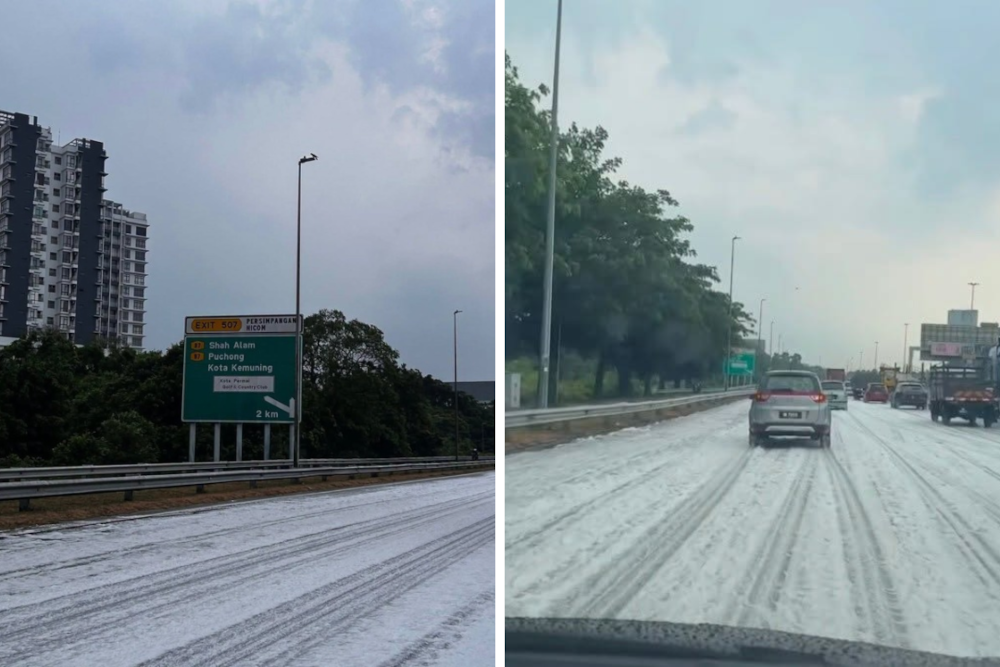
Why a “cleaned-up” problem can still return
As a Malaysian SME owner, you probably deal with problems that appear to be finished but quietly remain underneath: an incomplete stock count, an unresolved customer complaint, a supplier issue that was patched instead of fixed, or a workplace spill that seems harmless after the first clean-up.
The recent foam incident on the Shah Alam Expressway is a useful reminder. What looked like snow was reportedly soap foam created when heavy rain washed up residue from an earlier lorry spill. The affected stretch covered about 500 metres, and the foam appeared more than a week after the original incident. Malay Mail reported that the first clean-up used sawdust, followed by another cleaning operation after the residue reappeared.
For your business, the lesson is not about highways or soap. It is about hidden residue: a risk may look handled until a trigger exposes what was left behind.
TL;DR: A quick fix is not always a completed fix. You need records, follow-up checks and clear ownership for issues that can return later. Simple automation can help you track what happened, who acted and whether the problem was truly closed.
What This Means
The Kesas incident shows the difference between visible resolution and actual resolution. The visible problem—the spilled material on the road—was treated. But some residue remained. When heavy rain arrived, that residue reacted and created a new safety concern.
In a business, the same pattern can happen in many forms. An employee may correct an invoice error but fail to update the customer record. A warehouse worker may clean a liquid spill but not inspect nearby cartons. A salesperson may answer a complaint but forget to record the agreed follow-up. A manager may approve a purchase request without checking whether the supplier delivered the full order.
Each action may appear complete at the time. However, without a follow-up step, you cannot be sure the original issue has disappeared. You may simply be waiting for the next “heavy rain”—a busy sales period, staff absence, customer audit, system failure or sudden increase in orders—to reveal it.
Key insight: A task is not truly complete when someone says it was handled. It is complete when the result has been checked and the evidence is recorded.
How This Applies to Malaysian SMEs
1. Retailers and food businesses need more than a quick clean-up. If you run a café, restaurant, mini market or small food production operation, daily work often involves spills, damaged packaging, temperature checks, supplier deliveries and hygiene tasks. During a busy shift, your team may clean a problem and immediately return to serving customers. If nobody records the incident or checks the surrounding area, the same issue may affect stock, safety or customer trust later.
You can create a simple digital incident form with fields for location, time, problem type, action taken, photo evidence and follow-up owner. A supervisor can receive a reminder to inspect the area later. This is practical even for a small team because it replaces memory and informal WhatsApp messages with one trackable record.
2. Workshops, contractors and logistics companies face delayed-risk problems. If your business handles vehicles, machinery, chemicals, construction materials or deliveries, a minor incident may create consequences well after the first response. A leaking container may leave residue. A vehicle inspection may identify a fault that needs parts. A delivery may appear complete while several items remain unverified. If your team only records “done”, you lose the details needed to confirm whether the situation is safe and complete.
Use a workflow with two stages: action taken and verification completed. The person who performs the repair or clean-up can submit the first update. A supervisor, customer or designated colleague can confirm the second stage. For higher-risk work, attach photographs, delivery notes or inspection results before the case can be closed.
3. Offices and service businesses also have hidden operational residue. An accounting firm, agency, tuition centre, clinic, repair service or professional practice may not deal with physical spills, but unresolved information can create similar problems. A missed renewal date, incomplete onboarding document, unreturned call or unverified bank detail can remain unnoticed until it causes a larger disruption.
For example, when a client sends an important document, your team should not only mark it as received. The record should show who checked it, whether anything was missing and what the next deadline is. Automated reminders can prompt your staff before a deadline, while a dashboard can show which cases are waiting for customer information, internal approval or final review.
4. Property managers and small facilities teams need recurring checks. If you manage shop lots, offices, warehouses or accommodation, one maintenance visit does not always settle the matter. Water may return after rain, a blocked drain may overflow again, or a repaired light may fail after several days. A ticketing process lets you record the original complaint, the repair, the follow-up inspection and any recurring pattern.
This information helps you identify repeat problems rather than treating every complaint as a separate event. If the same location appears repeatedly, you can investigate the underlying cause instead of asking staff to keep applying temporary fixes.
A simple risk-control workflow
| Stage | What to record | Useful question |
|---|---|---|
| Report | Time, location, issue and person who noticed it | What exactly happened? |
| Contain | Immediate action and safety precautions | How did you prevent further impact? |
| Resolve | Work completed, items used and responsible person | What was done to address the cause? |
| Verify | Inspection result, photograph or approval | How do you know it is finished? |
| Review | Repeat occurrence, root cause and improvement | What should change next time? |
Practical Takeaways
- Separate “action taken” from “case closed”. These are different steps and may involve different people.
- Assign one owner. A group chat message is not the same as clear responsibility.
- Use photos where useful. Visual evidence can show the condition before and after the work.
- Set a follow-up date. Some issues only become visible after rain, continued use, delivery or customer feedback.
- Record the cause, not only the symptom. “Cleaned floor” is less useful than “leak from rear pipe; pipe joint checked.”
- Make escalation automatic. If a case is not updated by its due date, notify the supervisor.
- Review repeated incidents monthly. Look for the same product, location, supplier, process or staff handover appearing repeatedly.
- Keep the process short. If a form takes too long, staff will avoid using it. Start with the fields you truly need.
How to start without overwhelming your team
Choose one recurring business problem first. It could be incomplete deliveries, customer complaints, equipment faults or workplace incidents. Write down the steps from report to verification. Then create a simple form and a status list such as New, In progress, Waiting for information, Ready for verification and Closed.
After one or two weeks, review where cases get stuck. Perhaps staff forget to attach documents, managers do not receive alerts, or customers are not contacted promptly. Improve the workflow based on those observations. You do not need a large transformation project; you need a reliable habit that your team can follow during a busy day.
The Bigger Picture
As your SME grows, informal coordination becomes harder. When there are only a few people, everyone may know what happened. Once responsibilities are split across sales, operations, finance, warehouse and customer service, unfinished work can disappear between handovers.
That is why automation is most useful when it supports accountability, not when it merely adds more notifications. A good system gives you a clear history of the issue, shows the next action, reminds the right person and preserves evidence of completion. It helps you spot patterns before they become repeated customer complaints or operational disruptions.
The foam on Kesas was unusual because an earlier residue became visible under different conditions. Your business has its own version of heavy rain: peak season, staff turnover, an unexpected order, an inspection or a system outage. If your processes depend only on memory, those moments will expose the gaps.
Your practical next step: identify one problem your team has “fixed” more than once. Map who reports it, who acts, who verifies and what proof is needed. Then automate the reminders and handovers. The goal is simple: when the next pressure arrives, there should be no hidden residue waiting to surprise you.
Ready to Streamline Your Operations?
Your business should run itself. AutoRunBiz deploys AI agents to automate your daily operations — WhatsApp orders, invoicing, customer follow-ups, and accounting. Book a free 15-min ops audit to see where automation fits your business →