
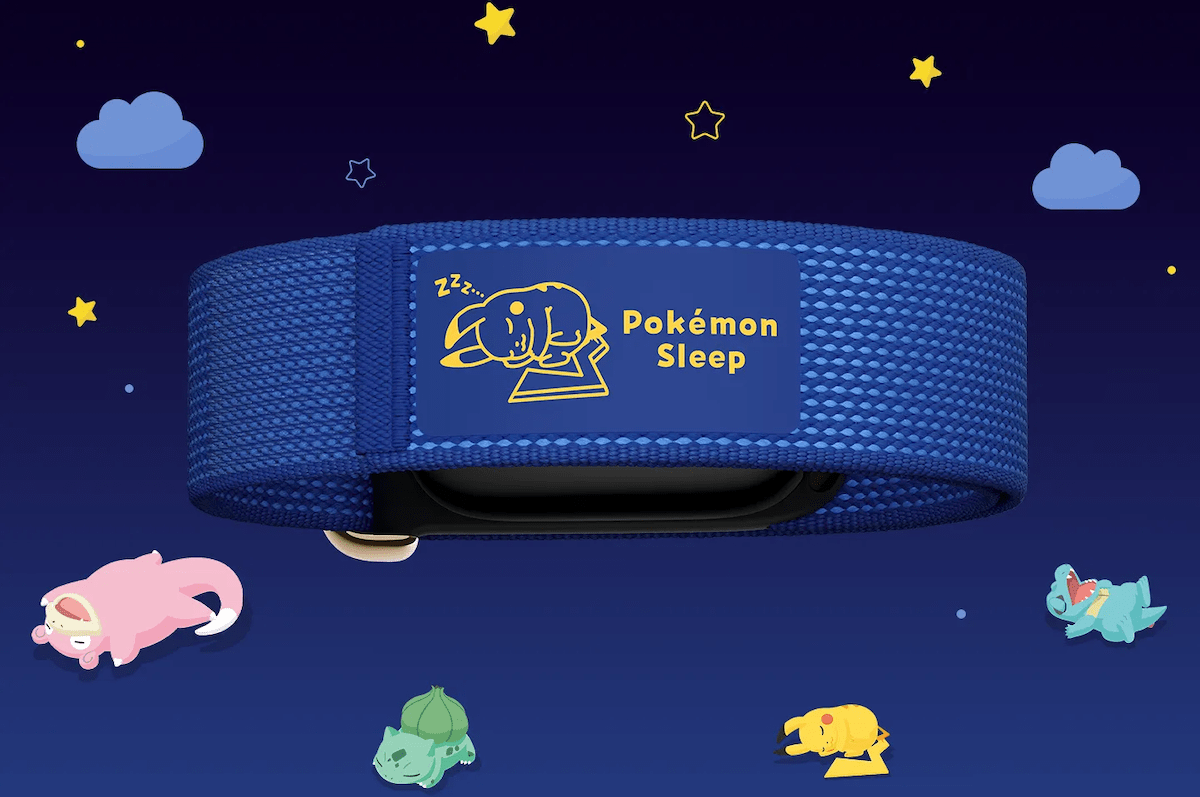
Why This Wearable Trend Matters to Your Business
If you run a Malaysian SME, you may see a new wearable device linked to Pokémon Sleep as entertainment news. Your customers, however, may see something more useful: a product that fits into an existing daily habit and makes that habit feel rewarding.
That distinction matters. Many businesses try to persuade customers to adopt a new app, process or service from scratch. Adoption is difficult when the customer must remember another login, learn another system or change an established routine. The Fitbit Air and Pokémon Sleep partnership shows a simpler approach: connect your product to something people already do, then give them a reason to return.
TL;DR: Google’s special-edition Fitbit Air combines health tracking with Pokémon Sleep, an app that rewards users for sleeping. For your SME, the lesson is to design customer experiences around existing habits, clear progress and small rewards.
The practical question is not whether you should sell a wearable. It is whether your business can make ordinary activities—ordering, booking, checking in or following up—easier and more engaging for customers.
What This Means
Pokémon Sleep turns bedtime into a simple game. Users set a bedtime, sleep, and then see how their sleep contributes to the progress of a Snorlax and the discovery of Pokémon. The app launched in 2023 and uses sleep duration and quality as part of its gameplay. Source: TechCrunch
The new special-edition Fitbit Air adds health and fitness tracking to that experience. It can connect with the Google Health app and Pokémon Sleep, tracking daily movement, heart rate and cardio load during the day, then recording sleep duration and quality overnight. Source: TechCrunch
The important concept is habit-based engagement. The product does not ask users to create an entirely new behaviour. Sleeping already happens. The technology adds feedback, progress and a playful reason to stay involved.
Google is also using a partnership to make a technical product easier to understand. Instead of presenting the device only as a tracker for health measurements, the Pokémon connection gives it an emotional and familiar identity. This can help customers understand why they might use it regularly.
Key insight: Customers are more likely to keep using a system when it supports a routine they already have, rather than demanding a completely new routine.
How This Applies to Malaysian SMEs
1. Make repeat purchases feel like progress. Suppose you operate a café, bakery or food outlet. Your customers already buy drinks or meals regularly. You can add a simple digital stamp system through WhatsApp, a QR code or your ordering platform. Each completed purchase can move the customer towards a clear milestone, such as trying a new item, reaching a membership level or receiving a personal recommendation. The principle is similar to Pokémon Sleep: an ordinary action becomes visible progress.
For this to work, keep the journey easy. A customer should understand what they have completed and what comes next without studying a complicated loyalty programme. Your staff should also be able to check a customer’s status quickly. If the process requires manual spreadsheets, repeated data entry or multiple systems, it may create more work than value.
2. Turn service follow-up into a reassuring routine. A clinic, tuition centre, car workshop or home-services business can use automated reminders to guide customers through a regular process. For example, a workshop can remind a customer when to check tyre condition or schedule maintenance. A tuition centre can send parents a weekly attendance and progress update. A clinic can send appointment reminders and post-visit instructions.
The Fitbit Air example shows the value of collecting information over time. Your business does not need a wearable device to apply this idea. You can record customer appointments, completed services, responses or preferences, then use that information to send a relevant next step. The goal is not to send more messages. The goal is to send the right message when it is useful.
3. Use familiar themes carefully to increase participation. Pokémon Sleep works because the Pokémon brand is familiar and the game makes sleep tracking more enjoyable. Your SME may not own a global brand, but you can still use themes that suit your audience. A Malaysian gym could create a monthly consistency challenge. A retailer could run a “try something new” collection. A learning centre could show a student’s completed milestones in a simple progress view.
Keep the experience suitable for your customers. A playful approach may fit a café, fitness studio or children’s education business. It may need a more professional treatment for accounting, legal or B2B services. The underlying method remains the same: make progress visible and give customers a clear reason to return.
4. Connect your systems instead of adding isolated tools. The Fitbit Air connects with Google Health and Pokémon Sleep rather than operating as a completely separate experience. Source: TechCrunch For your business, this means your booking, customer records, messaging and reporting should work together where possible.
For instance, when a customer completes an online booking, the system could update their customer record and trigger a confirmation message. When a service is completed, it could schedule a suitable follow-up. When a customer has not returned for a while, you could receive a prompt to review whether a message is appropriate. Automation is most useful when it removes repeated coordination work.
Useful Numbers and Facts to Note
| Detail | What It Suggests for Your SME | Source |
|---|---|---|
| Pokémon Sleep launched in 2023 | Customer habits can become more engaging when progress is tracked over time. | TechCrunch |
| Fitbit Air tracks movement, heart rate and cardio load | Useful services can combine information from different parts of the customer journey. | TechCrunch |
| Fitbit Air also records sleep duration and quality | Regular feedback can encourage customers to continue a routine. | TechCrunch |
| Pokémon Sleep supports several wearables and can work without one | Offer customers more than one convenient way to participate. | TechCrunch |
Practical Takeaways for Your Business
- Choose one existing customer habit: ordering, booking, renewing, attending or requesting support.
- Make progress visible: use milestones, status labels, completed steps or simple points.
- Reduce customer effort: offer familiar channels such as WhatsApp, web forms or QR codes where suitable.
- Automate routine reminders: confirmations, follow-ups and renewal prompts should not depend on memory.
- Connect information: avoid keeping customer details separately across notebooks, spreadsheets and messaging apps.
- Give customers a choice: allow participation without forcing them to install a new app if possible.
- Measure useful behaviour: track repeat visits, completed bookings, response rates and missed follow-ups.
- Review privacy: collect only information you genuinely need and explain how it will be used.
A Simple 30-Day Starting Plan
During the first week, list the three customer activities that happen most often in your business. Choose one that currently involves repeated manual work or frequent missed follow-ups. Examples include appointment confirmation, quotation follow-up or repeat ordering.
During the second week, design a short customer journey with no more than three or four steps. Decide what the customer receives after each step, such as a confirmation, progress update or reminder. Write the messages in clear Bahasa Malaysia or English according to your audience.
During the third week, test the process with a small group of customers and two staff members. Ask whether the instructions are clear and whether any information must be entered twice. Fix those points before expanding the process.
During the fourth week, review the results. Look for fewer missed follow-ups, faster responses, more completed bookings or better repeat engagement. If the system helps customers and reduces staff repetition, apply the same pattern to another routine.
The Bigger Picture
The long-term lesson from Fitbit Air and Pokémon Sleep is not simply that technology can collect more data. It is that technology works better when it fits naturally into human behaviour. The most useful customer systems often sit quietly behind familiar actions.
For Malaysian SMEs, this creates a practical opportunity. You do not need to build a complex platform or copy a global brand. You can start by making one routine easier for your customers and staff. A reminder that arrives at the right time, a progress update that answers a common question, or a simple record that prevents repeated explanations can improve the overall experience.
As more businesses adopt connected tools, customers will increasingly expect smooth handovers between ordering, payment, service and support. The businesses that stand out will not always be the ones with the most features. They will be the ones that understand where customers already spend attention and remove unnecessary friction from that journey.
Your next step: choose one repeated customer habit this week. Map the current process, identify one delay or manual task, and test a small automated improvement. If it makes the experience clearer without making it more complicated, you have found a useful pattern to build on.
Ready to Streamline Your Operations?
Your business should run itself. AutoRunBiz deploys AI agents to automate your daily operations — WhatsApp orders, invoicing, customer follow-ups, and accounting. Book a free 15-min ops audit to see where automation fits your business →