
Why Small Businesses Should Pay Attention to E-Bike Trends
If you run a café, florist, pharmacy, laundry service, retailer, or local delivery operation, short-distance transport can quietly become a daily headache. Staff need to move products, collect supplies, visit customers, or complete several nearby jobs without losing time in traffic.
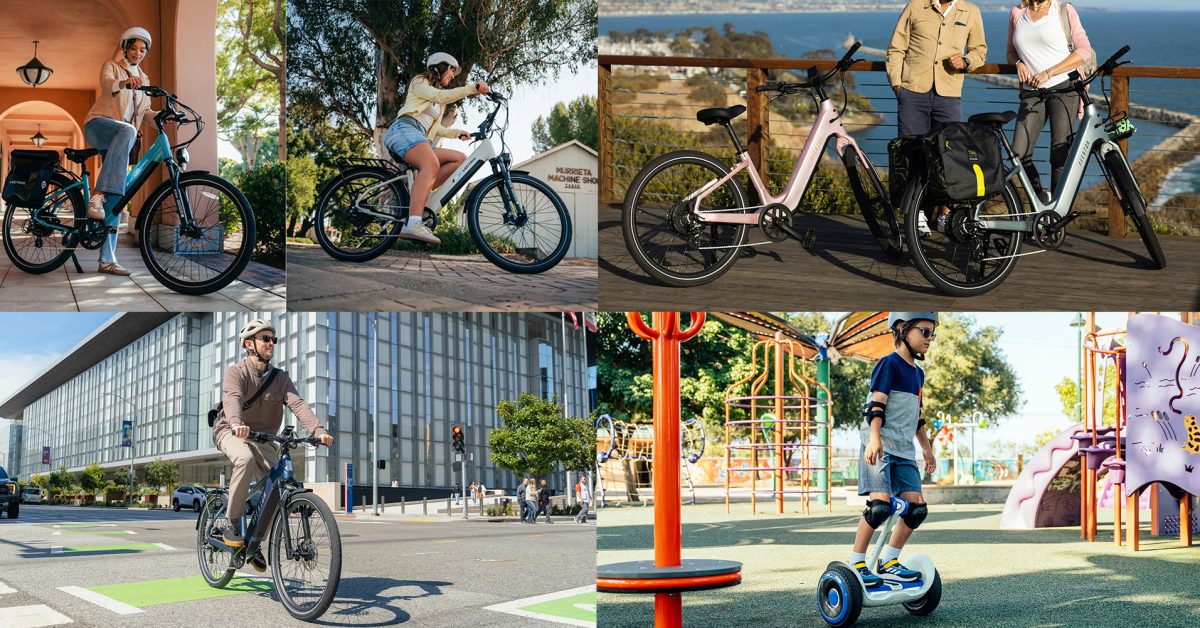
Electric bikes and scooters are attracting attention because manufacturers are adding longer-range batteries, cargo accessories, smart controls, and safety features. A recent international deals roundup highlighted the Lectric XPress2 with an extra battery designed for more than 100 miles of travel, while Aventon introduced upgraded commuter and cruiser models with regenerative braking and expanded smart features. Source: Electrek
You may not be planning to buy the exact models mentioned. They may not even be available or approved for Malaysian road use. The useful lesson is the direction of the market: electric two-wheelers are being designed less as leisure products and more as practical transport tools. That matters when you are reviewing deliveries, errands, staff mobility, and operating routines.
TL;DR
Longer-range batteries, cargo accessories, and connected features are making electric two-wheelers more suitable for short-distance business work.
For your SME, the right question is not “Which overseas deal should I buy?” but “Which repeated trips can be made safer, faster, and easier to manage?”
What This Means
The source article describes several product launches and promotions. The Lectric XPress2 bundle includes an additional battery, rear cargo rack, and fenders, with the manufacturer claiming more than 100 miles of travel when equipped with the extra battery. Source: Electrek Aventon’s Pace 5 REC and Level 4 REC models add regenerative braking and expanded smart features. Source: Electrek
In plain language, the product category is developing around four practical needs:
- Range: Staff can complete more local tasks before recharging or changing batteries.
- Carrying capacity: Racks, baskets, and cargo designs support parcels, ingredients, tools, or documents.
- Visibility and control: Smart features can help with settings, diagnostics, and rider information.
- Usability: Step-through frames and commuter designs may be easier for different employees to handle.
However, an advertised range is not a guaranteed Malaysian business route. Rider weight, cargo, hills, rain, road surface, traffic, riding style, battery age, and charging conditions all affect real performance. Treat the published specification as a planning reference, not a promise.
The business value is not the vehicle itself. It is the number of repeated trips you can organise more reliably.
How This Applies to Malaysian SMEs
1. Food and beverage businesses can review nearby delivery routes. If you operate a café, bakery, restaurant, or cloud kitchen, you may have several deliveries within the same neighbourhood. An electric bicycle could be suitable for smaller orders, drinks, pastries, or pre-arranged pickups, provided the vehicle complies with Malaysian rules and your delivery area is safe. A rear rack or insulated box can make the setup more useful than relying on a personal motorcycle with inconsistent carrying arrangements.
Start by reviewing one week of delivery records. Group jobs by distance, order size, delivery time, and weather. You may discover that a meaningful portion of deliveries are clustered within a small radius. Those routes are the ones to assess first. You should also define a clear handover process: the kitchen confirms the order, the rider scans or checks the order list, the customer receives a delivery notification, and the completed job is recorded.
2. Retailers and pharmacies can improve local errands. A neighbourhood shop may need to send replacement items, collect stock from a nearby supplier, deliver reserved products, or support regular customers. A pharmacy or medical supply business may have urgent local requests, although medicines and sensitive items require careful handling, documentation, and compliance with applicable requirements. A suitable electric vehicle does not replace your delivery procedure; it gives your team another transport option for controlled routes.
For these businesses, the important feature may be carrying design rather than maximum speed or maximum range. Check whether the rack can support your containers, whether products stay dry, and whether the rider can secure items without damaging packaging. You should also plan where the vehicle is parked during deliveries and how batteries are stored when staff are not using them.
3. Service businesses can reduce wasted travel between appointments. Air-conditioning technicians, cleaners, locksmiths, repair specialists, photographers, and maintenance teams often travel between nearby appointments carrying tools or small replacement parts. A cargo-capable electric two-wheeler may work for selected jobs, particularly in dense commercial areas where parking takes time.
Do not assume every technician should use the same vehicle. One employee may carry a compact tool kit, while another needs bulky equipment or must travel further. Create simple job categories such as “light kit,” “standard kit,” and “large equipment.” Then match each category to the safest transport method. This avoids forcing an unsuitable vehicle into a role it cannot handle.
4. Property, campus, and warehouse operators can support internal movement. If you manage a business park, hotel, school-related service, warehouse, or large commercial site, electric scooters or bicycles may help staff move between buildings. This is different from public-road delivery and may offer a more controlled pilot environment. You can establish designated routes, speed rules, parking points, charging procedures, and rider training before considering wider use.
For Malaysian conditions, weather deserves special attention. Heavy rain, standing water, heat, and slippery surfaces can affect safety and equipment. Choose covered storage, establish a wet-weather policy, and never ask staff to continue a route simply to meet an unrealistic internal target.
Use the Numbers to Plan, Not Guess
The following figures come from the source article and describe overseas listed prices, discounts, or product claims. They are not Malaysian retail quotations, import guidance, or recommendations.
| Item mentioned | Published figure | Useful SME planning lesson |
|---|---|---|
| Lectric XPress2 extra-battery bundle | More than 100 miles claimed range | Study whether battery-swapping or a spare battery reduces downtime |
| Lectric XPress2 bundle | Extra gear listed at $723 value | Evaluate the complete operating setup, not only the vehicle |
| Aventon Pace 5 REC | $1,599 promotional listing | Compare comfort, carrying needs, and route suitability |
| Aventon Level 4 REC | $1,799 promotional listing | Assess commuter use and smart functions separately |
| Segway Ninebot S2 Kids | $100 pre-order discount | Promotions can signal product launches, but do not prove business suitability |
| Lectric XPress2 shipping timing | Expected around the week of September 28, 2026 | Include delivery lead time when planning any equipment pilot |
All figures in this table are sourced from Electrek’s article.
Practical Takeaways for Your Business
- Map repeated trips: List every staff journey during a typical week, including deliveries, collections, and site visits.
- Separate route types: Record short local trips, longer trips, heavy-cargo trips, and weather-sensitive trips.
- Check Malaysian requirements: Confirm whether the vehicle is permitted for your intended location and use before committing.
- Test carrying needs: Place your real parcels, tools, containers, or documents on the proposed rack or in the proposed box.
- Plan charging: Decide where batteries are charged, who checks them, and how charging is recorded.
- Set rider rules: Cover helmets, visibility, wet-weather decisions, route limits, parking, and incident reporting.
- Track operations: Measure completed trips, late deliveries, failed deliveries, battery issues, and staff feedback.
- Automate the workflow: Use a simple form or business automation system to assign jobs, notify riders, confirm delivery, and flag exceptions.
- Start with one route: Run a controlled pilot before changing your entire delivery process.
A Simple 30-Day Pilot
During the first week, collect route data without changing your current process. In the second week, select one employee, one service area, and one type of job. Prepare a checklist covering battery status, cargo security, customer details, and delivery confirmation.
During the third week, operate the pilot and record what actually happens. Look for missed calls, unclear addresses, charging gaps, damaged packaging, rain interruptions, and route delays. These details are more valuable than a brochure specification.
In the fourth week, review the results with your team. Keep the pilot, adjust it, or stop it based on evidence. If the process works, document it so another employee can follow the same steps without depending on one experienced rider.
The Bigger Picture
The long-term trend is broader than electric bicycles. Small businesses are gradually getting more options for handling short-distance movement, and product features are becoming more connected to daily operations. Longer-range batteries may support fuller shifts, while cargo accessories can make transport more organised. Smart functions may eventually connect vehicle status with dispatch and maintenance records.
That does not mean every SME should buy an electric vehicle. Your delivery density, road conditions, product type, staff capability, weather exposure, and compliance obligations must guide the decision. A petrol motorcycle, van, courier partner, or walking route may remain better for certain jobs.
The strongest approach is to treat transport as a process you can measure. When you know which trips repeat, where delays happen, what staff carry, and which customers need reliable updates, you can choose equipment and automation with much greater confidence.
Your next step: export or write down one week of delivery and errand records, group them by route, and identify the ten most repetitive short-distance trips. That list will tell you more about whether an electric two-wheeler fits your business than any overseas promotion.
Ready to Streamline Your Operations?
Your business should run itself. AutoRunBiz deploys AI agents to automate your daily operations — WhatsApp orders, invoicing, customer follow-ups, and accounting. Book a free 15-min ops audit to see where automation fits your business →