
AI Tools Are Becoming New Business Channels
You may already use ChatGPT to draft customer replies, summarise documents, prepare marketing ideas or help your team work faster. Until now, the main question was usually whether the free or lower-tier version was capable enough for daily business tasks.
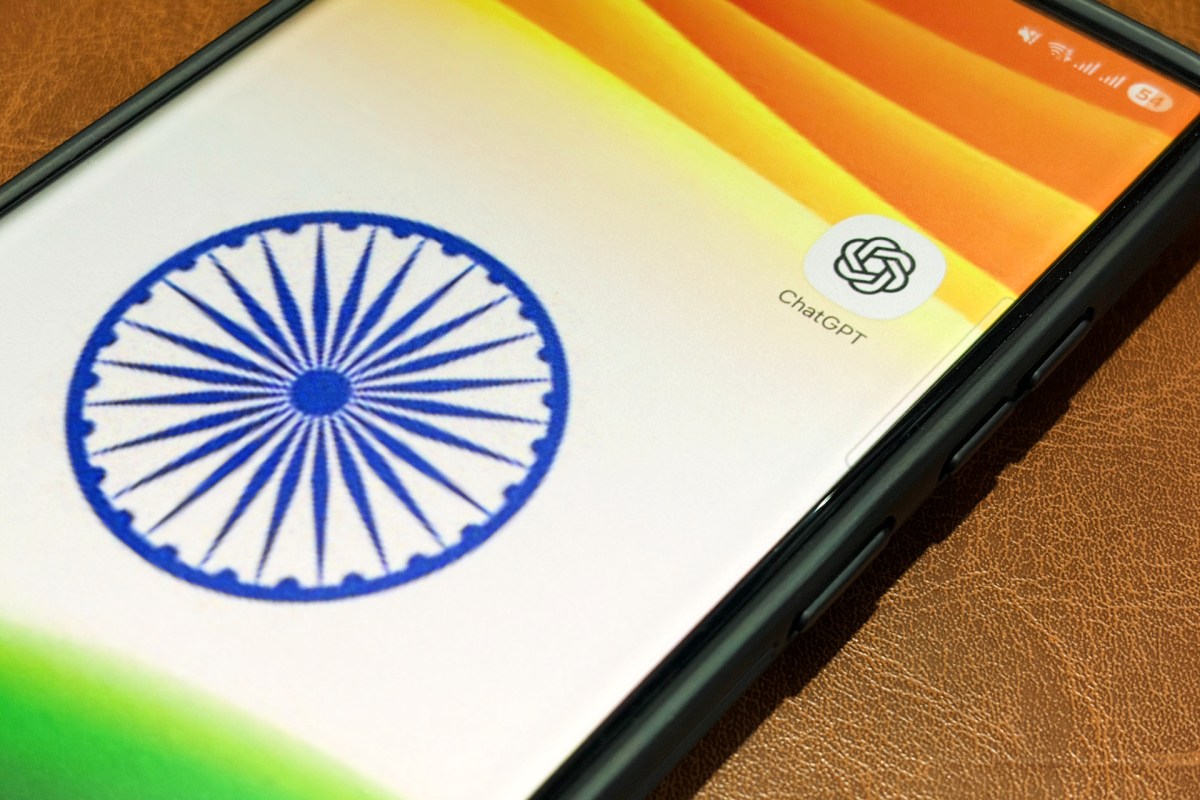
That question is changing. OpenAI has announced that advertisements will appear on ChatGPT’s Free and Go tiers in India, beginning with campaigns from 50 brands. The company also plans to introduce an ad manager for businesses. This matters to you because it signals that AI assistants are becoming not only workplace tools, but also places where customers may discover products and make decisions.
If your business serves customers through search, social media, marketplaces or messaging apps, you should start thinking about how AI-generated answers may influence buying behaviour—even if advertisements have not yet arrived on the Malaysian version of ChatGPT.
TL;DR
OpenAI is testing ads on ChatGPT’s free and Go tiers in India, following earlier ad activity in the United States and Europe. Read the source report
For Malaysian SMEs, the immediate action is not to rush into advertising. It is to organise your business information, improve customer data quality and prepare content that AI tools can understand accurately.
What This Means
ChatGPT is an AI assistant that answers questions, helps users compare options and supports decisions. When ads appear inside that experience, brands may be able to reach people at moments when they are already researching a product, service or solution.
OpenAI described the advertising opportunity as placing businesses at “relevant, high-context moments when decisions are beginning to take shape”. Source In plain language, this could mean a user asks for recommendations, receives useful information and also sees a sponsored business suggestion.
This is different from a traditional banner placed beside an article. An AI assistant understands the user’s question and the surrounding conversation. That makes relevance, accuracy and trust especially important. A business that provides clear, consistent information may be better prepared for this type of channel than one whose online details are incomplete or contradictory.
The announcement is currently about India, not Malaysia. However, OpenAI has already expanded ads to users in the United States and Europe, according to TechCrunch. Source The direction is clear: AI platforms are exploring advertising as another way to support free access and grow commercial services.
| Reported development | Why it matters to your business |
|---|---|
| Ads planned for ChatGPT Free and Go in India | Free AI tools may increasingly include commercial recommendations |
| Initial campaigns from 50 brands | Businesses are testing how advertising works inside AI conversations |
| Ad manager planned for marketers | Advertising may become easier for smaller businesses to manage |
| More than 100 million weekly active users in India | Large AI audiences can attract serious business attention |
The reported figure of more than 100 million weekly active ChatGPT users in India was stated by OpenAI in February. Source For a Malaysian SME, the important lesson is not the size of India’s market. It is that AI assistants already have enough usage to become meaningful business channels.
How This Applies to Malaysian SMEs
1. Your business information must be consistent. Imagine a customer asks an AI assistant to recommend a halal caterer in Shah Alam, a maintenance contractor in Johor Bahru or a bookkeeping service for a small retail company. The assistant may rely on information from your website, business listings, public reviews and other digital references. If your operating hours, service area, contact number or product descriptions differ across platforms, customers may receive an unclear answer.
Start by checking your Google Business Profile, website, social pages and marketplace listings. Make sure your company name, address, phone number, service categories and opening hours match. Add clear descriptions of who you serve and what problems you solve. This is basic digital housekeeping, but it becomes more important when customers use AI to filter their choices.
2. Your frequently asked questions should become useful content. Malaysian customers often ask practical questions before contacting a business: whether a service covers certain locations, whether appointments are required, how long delivery takes, what documents are needed and whether Bahasa Malaysia or English support is available. If these answers exist only in your staff’s memory or scattered WhatsApp messages, they are difficult for customers—and systems—to find.
Create a simple FAQ page and update it regularly. For example, a renovation company can explain its service areas, project stages and required site information. A tuition centre can explain age groups, class schedules and enrolment steps. A B2B supplier can list industries served, delivery coverage and order requirements. Clear content helps your team respond faster and gives potential customers a better first impression.
3. Automation can help you handle interest generated by new channels. An advertisement or AI recommendation is only useful if you can respond quickly and consistently. If enquiries arrive through WhatsApp, email, Facebook and your website, manual follow-up can easily become messy. You may miss a question, forget a quotation or fail to update the sales status.
A practical workflow could capture each enquiry in one place, send an immediate acknowledgement, ask for essential details and assign the conversation to the right staff member. For example, a cleaning company could automatically collect the property type, location, preferred date and required service. Your team then spends less time repeating basic questions and more time handling genuine opportunities.
4. Trust will matter more when AI recommendations become common. Customers may not know why a company appears in an AI-assisted result. They may also confuse sponsored content with an independent recommendation. Your responsibility is to make your claims accurate and easy to verify. Avoid vague promises, unsupported rankings or outdated information. Publish real service details, clear policies and genuine customer feedback.
The best preparation for AI-driven discovery is not more noise. It is clearer information, faster follow-up and a business process that can deliver what your content promises.
Practical Takeaways
- Audit your website and business listings for incorrect phone numbers, locations, operating hours and service descriptions.
- Write answers to your 10 most common customer questions in plain Bahasa Malaysia or English.
- Describe your service area clearly, including the states, districts or neighbourhoods you cover.
- Separate confirmed facts from promotional claims in your marketing content.
- Track enquiries from every channel in one shared process.
- Set a response owner and follow-up deadline for each new enquiry.
- Review how your team handles leads that arrive outside business hours.
- Do not assume an AI platform will send qualified customers automatically; measure enquiry quality and completed sales yourself.
- Check advertising, privacy and platform rules before promoting your business through any AI service.
- Train staff to verify AI-generated information before sending it to customers.
A Simple 30-Day Preparation Plan
- Week one: List every place where customers find your business, including your website, maps profile, social pages, marketplace accounts and messaging links.
- Week two: Correct inconsistent details and publish a focused FAQ covering locations, services, timings, processes and support languages.
- Week three: Map your enquiry process from first contact to completed sale. Identify where messages are lost or delayed.
- Week four: Add simple automation for acknowledgements, lead assignment, reminders and status tracking. Review the results with your team.
This plan does not depend on ChatGPT ads becoming available in Malaysia. It improves your business whether customers discover you through Google, social media, referrals or AI assistants.
The Bigger Picture
OpenAI’s move shows that AI assistants are developing in two directions at once. They are productivity tools for users and commercial platforms for businesses. The company has also been expanding access through its Go tier and investing in its presence in India, where it reported more than 100 million weekly active users. Source
For Malaysian SMEs, this means the customer journey may become less dependent on visiting a search engine, opening several websites and comparing information manually. A customer could ask one detailed question and receive a short list of possible providers. Your visibility will depend increasingly on whether your business information is complete, relevant and trustworthy.
That does not mean you should abandon existing channels. Your website, Google presence, social media, marketplaces and personal referrals still matter. It means you should treat all of them as parts of one connected information system.
The businesses that benefit most will likely be those with disciplined records and responsive operations. They will know which services they offer, where they operate, which enquiries are active and how quickly staff respond. Automation supports this foundation; it cannot replace it.
There is also an important caution. Advertising inside an AI conversation may raise questions about disclosure, privacy and the difference between a paid placement and an organic answer. OpenAI’s reported programme is still developing, and the Indian launch does not confirm when or how similar advertising will reach Malaysia. Source Keep watching the platform’s official terms and announcements before making decisions.
For now, focus on what you can control: accurate information, helpful content, organised customer data and reliable follow-up. When AI becomes another place where customers ask for recommendations, your business will be ready to answer properly.
Ready to Streamline Your Operations?
Your business should run itself. AutoRunBiz deploys AI agents to automate your daily operations — WhatsApp orders, invoicing, customer follow-ups, and accounting. Book a free 15-min ops audit to see where automation fits your business →