
Should Your SME Pay Attention to Startup Events?
You may not be planning to build a robotics company, raise venture capital, or fly to San Francisco for a technology conference. You are probably more concerned with unanswered customer messages, staff workload, stock updates, sales follow-ups, and keeping daily operations under control.
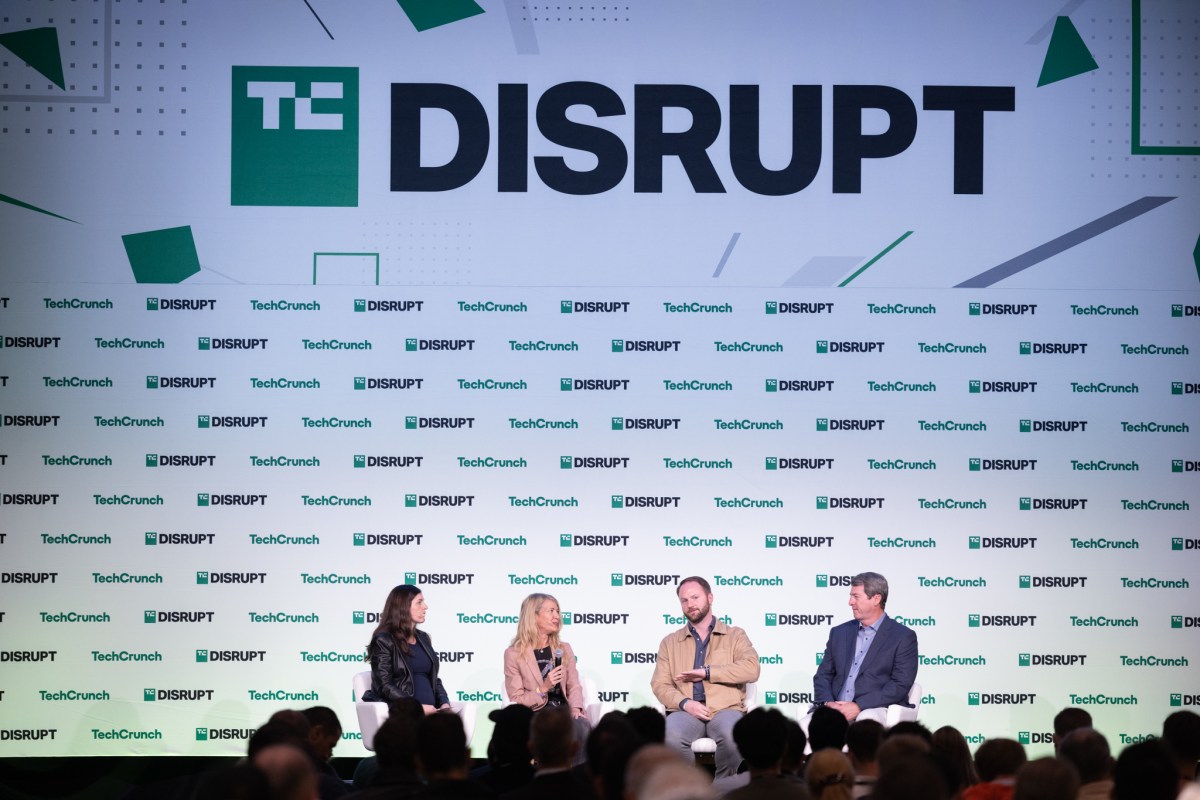
Yet events such as TechCrunch Disrupt 2026 can still matter to you. They bring together founders, investors, operators, and technology builders to discuss how artificial intelligence, automation, payments, infrastructure, and business systems are developing. The useful question is not whether you should attend. It is whether the ideas discussed there can help you make better decisions at home in Malaysia.
TechCrunch says its 2026 event will take place from October 13 to 15 at Moscone West in San Francisco, with more than 10,000 founders, investors, and startup community members expected to attend. Source
TL;DR
AI events are useful when you treat them as sources of practical ideas, not as technology spectacles. Malaysian SMEs can apply the same themes to customer service, sales administration, stock control, hiring, and management reporting.
Before adopting any tool, identify one repetitive process, measure its current performance, and test a small improvement with clear human oversight.
What This Means
TechCrunch Disrupt 2026 is being positioned around building companies in the AI era. Its programme includes a Real World AI Stage, Smart Money Stage, and Smart Systems Stage, alongside returning stages focused on startups, AI, and builders. Source
In plain language, these themes cover three practical questions:
- Where can AI perform useful work? This includes physical operations such as manufacturing, healthcare, logistics, and robotics, not only chatbots.
- How will financial processes change? This includes payments, fintech, embedded finance, and automated financial services.
- What systems support digital tools? This includes data, computing, networks, energy, and the systems needed to keep software reliable.
For an SME, the lesson is simple: technology should be assessed by the work it improves. You do not need to follow every new application. You need to notice where your team repeatedly copies information, waits for approvals, searches for documents, answers the same questions, or prepares the same reports.
The best technology decision is usually not “Which tool is popular?” but “Which business process is slowing us down most often?”
How This Applies to Malaysian SMEs
Customer service is a practical starting point. A Malaysian retailer, clinic, tuition centre, repair business, or distributor may receive questions through WhatsApp, email, social media, and phone calls. A simple automation workflow can organise enquiries, identify common questions, send approved replies, and alert a staff member when a case needs personal attention. This does not mean allowing software to answer everything without checking. It means giving your team a clearer queue and reducing repeated manual replies.
Sales follow-up is another strong use case. Many SMEs lose opportunities because enquiries are recorded in different places or follow-ups depend on memory. You can create a structured process that records the customer name, product interest, quotation status, next action, and responsible employee. An AI assistant may help summarise conversations or draft a follow-up message, while your salesperson remains responsible for accuracy and tone. This is especially useful when several staff members handle leads across different channels.
Stock and purchasing can benefit from better information flow. If your team updates inventory manually in several spreadsheets, errors can appear between sales, warehouse, and purchasing records. A connected workflow can notify you when stock reaches a defined threshold, prepare a purchase request, or match incoming orders with available items. The system should not blindly place orders. It should help you see the situation earlier and make the decision with better information.
Service businesses can apply the same idea to scheduling. Cleaning companies, contractors, maintenance providers, training centres, and professional firms often coordinate appointments through messages and spreadsheets. A central booking process can reduce double-booking, remind customers, assign staff, and store job notes. If your business serves customers across Malaysia, you can also design the process around working hours, locations, public holidays, and the languages your customers commonly use.
Management reporting is often overlooked. You may already have sales, customer, staffing, and operational data, but still spend hours combining it before a meeting. A reporting workflow can bring selected information together and present a weekly view of enquiries, completed jobs, pending payments, stock exceptions, or response times. The value comes from making important signals visible earlier, not from producing a complicated dashboard.
Useful Themes to Watch
| Theme | SME question to ask | Possible first application |
|---|---|---|
| Real-world AI | Where does staff time go in physical or service operations? | Job scheduling, inspection records, delivery updates |
| Smart financial systems | Which payment or approval steps cause delays? | Invoice reminders, approval routing, transaction records |
| Smart systems | Can your current data be trusted and accessed easily? | Central customer records, stock data, management reports |
| AI and builders | Which repetitive knowledge task can be tested safely? | Document search, message drafts, meeting summaries |
The event’s programme includes technology areas such as robotics, autonomous systems, manufacturing, healthcare, defence, fintech, stablecoins, payments, chips, computing, energy, networking, and data centres. Source You do not need to follow every area. Use the list as a reminder that AI is connected to operations, finance, infrastructure, and physical work.
Practical Takeaways for Your Business
- Choose one process first. Pick a task that happens frequently and causes visible delays.
- Write down the current steps. Include who receives the information, where it is stored, and where mistakes occur.
- Set a measurable target. Track items such as response time, unresolved enquiries, order errors, or hours spent preparing reports.
- Keep a person responsible. Automation should route exceptions and support decisions, not remove accountability.
- Use approved information only. Create clear rules for customer data, internal documents, access permissions, and retention.
- Test with a small group. Let one team or one workflow run the pilot before expanding it.
- Review the result regularly. Remove steps that create more work and improve the ones that genuinely help.
- Ask vendors specific questions. Confirm how data is stored, who can access it, how errors are handled, and whether your team can export its records.
Should You Attend or Follow Events Like This?
International events may be relevant if you are exploring partnerships, hiring technical talent, developing a technology product, or seeking a clearer view of where business software is heading. TechCrunch describes Disrupt as a place for founders, investors, people scouting investments, companies hiring talent, and businesses building strategic partnerships. Source
For many Malaysian SME owners, the more practical approach is to follow the themes through articles, local business communities, software demonstrations, and conversations with suppliers. If you do attend an event, prepare three questions before you go: which processes are most suitable for automation, what risks should you avoid, and what can be tested within your business in the next 30 days?
The Bigger Picture
Technology discussions are moving from impressive demonstrations towards everyday implementation. The long-term issue for SMEs is not whether AI exists. It is whether your business has clean information, consistent processes, and people who know how work should be done.
A company with unclear responsibilities and scattered records will struggle to benefit from sophisticated software. A company with documented workflows can improve step by step, because it understands what should happen before adding automation. This is why process discipline matters as much as tool selection.
TechCrunch Disrupt 2026 highlights how AI is being developed across physical operations, financial services, and technical infrastructure. Source For you, the practical interpretation is closer to home: look for the small delays that repeat every day. Fix one, measure the result, and build from there.
You do not need to chase every trend. You need a reliable way to identify useful ideas, test them safely, and keep only what improves the way your team serves customers.
Ready to Streamline Your Operations?
Your business should run itself. AutoRunBiz deploys AI agents to automate your daily operations — WhatsApp orders, invoicing, customer follow-ups, and accounting. Book a free 15-min ops audit to see where automation fits your business →