
Why disciplined growth matters more than chasing the next funding round
You may not be building a venture-backed startup, but the pressure facing African founders is familiar to many Malaysian SME owners. Customers expect faster service, staff capacity is limited, and every new system or expansion decision must produce a clear operational result.
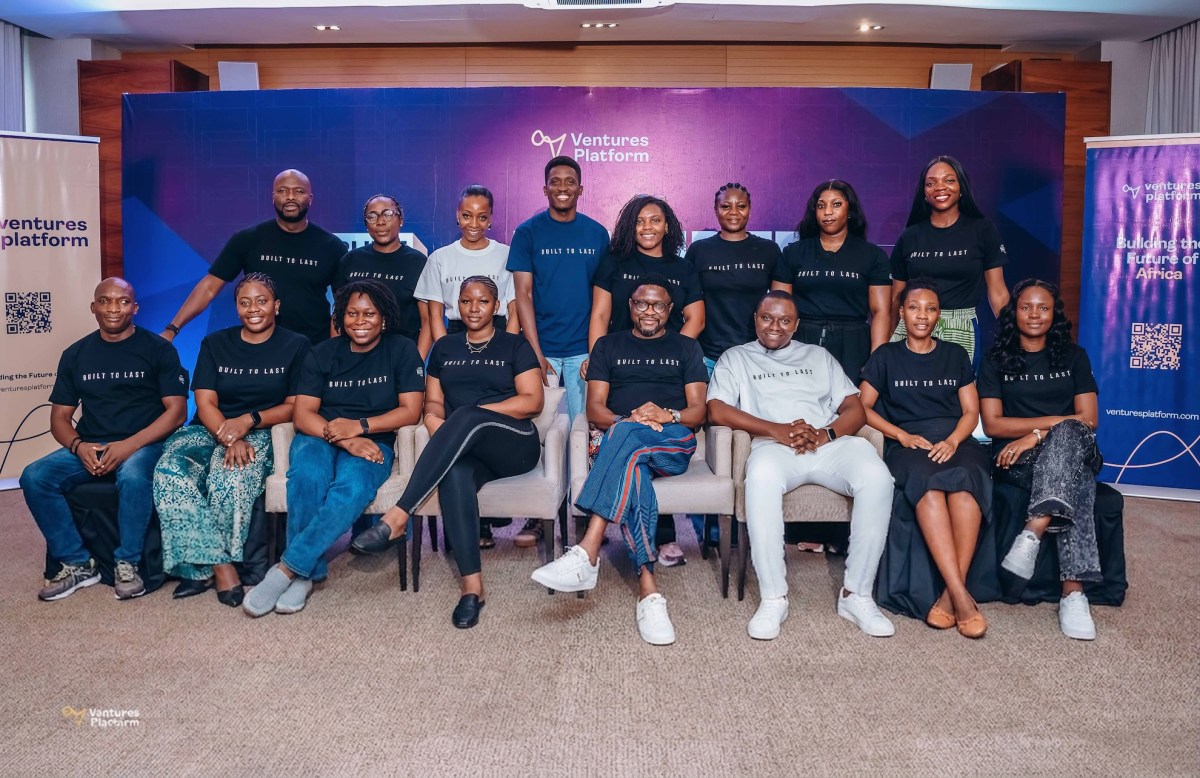
The latest example comes from Ventures Platform, a Pan-African investment firm that has raised an oversubscribed second fund worth US$84 million. The firm is looking beyond Nigeria and choosing early-stage businesses that solve essential problems in areas such as fintech, healthcare, software-as-a-service and artificial intelligence. Source: TechCrunch
The useful lesson for you is not about venture capital. It is about how businesses are being judged more carefully: Can your operation serve more customers without adding confusion? Can technology improve the way work is delivered? Can your company remain healthy when conditions change?
TL;DR
Investors are showing stronger preference for businesses with efficient operations, clear governance and practical technology use. You can apply the same discipline by automating repetitive work, tracking useful business numbers and choosing tools that improve your actual service model.
AI should not be added merely because it is popular. It deserves attention when it changes how your business handles workload, response times, quality or access to customers.
What This Means
Ventures Platform’s second fund is larger and covers more African markets than its first fund. Its first fund was worth US$46 million and focused mainly on pre-seed and seed companies. The second fund may invest up to US$3 million in individual companies and aims to deploy that capital over three to four years. Source: TechCrunch
However, the important change is not simply the larger fund. The firm describes a more selective investment environment, where investors ask harder questions about performance, portfolio construction, liquidity, management discipline and differentiation. In plain language, businesses must show that they can build something valuable without depending endlessly on fresh funding.
That principle applies even if you run a local distributor, clinic, tuition centre, engineering contractor, restaurant group or professional services firm. Sustainable growth means understanding where work gets stuck, which activities can be standardised and how your team can deliver consistently as demand increases.
Ventures Platform is especially interested in AI when it changes the economics of serving a market, rather than acting as a decorative feature. The firm points to AI’s potential to reduce service delivery costs and help address labour shortages. Source: TechCrunch
Technology matters most when it changes how your business works, not merely how your business looks.
How This Applies to Malaysian SMEs
1. Build capacity before expanding your headcount. Many Malaysian SMEs lose time through manual quotation preparation, repeated data entry, invoice follow-ups, appointment confirmations and internal approvals. These tasks may appear small, but they become a serious bottleneck when your order volume grows. A workflow system can route enquiries, assign responsibilities, send reminders and keep customer information in one place. Your staff can then spend more time on judgement-heavy work, customer relationships and delivery.
For example, a wholesaler serving restaurants may receive orders through WhatsApp, email and phone calls. Without a consistent process, an order can be missed, entered twice or delayed while someone checks stock manually. A central workflow can capture the request, alert the right employee, confirm availability and create a follow-up task. The goal is not to remove human involvement; it is to prevent avoidable administrative gaps.
2. Treat AI as a business process decision. You do not need to add AI to every department. Begin with a specific problem that occurs often. A property agency could use an assistant to classify enquiries and prepare first responses. A clinic could automate appointment reminders and common preparation instructions. A service contractor could summarise job notes and flag incomplete information before an invoice is prepared. A training provider could organise learner questions and suggest relevant resources.
Before adopting a tool, define the result you want. Is it fewer unanswered enquiries, quicker document preparation, better follow-up or more consistent customer communication? If you cannot describe the operational improvement, the technology may become another distraction for your team.
3. Prepare for growth across locations and channels. Ventures Platform has expanded beyond Nigeria and already invested in companies based in Kenya, South Africa and Egypt. Source: TechCrunch For a Malaysian SME, broader reach might mean opening another branch, serving customers in Singapore, adding online sales or working with dealers in different states.
Expansion becomes easier when your operating method is documented and repeatable. Your customer records, sales stages, service checklists and approval rules should not exist only in one employee’s memory. Use shared workflows and clear ownership so that a new staff member can understand what happens next without repeatedly asking the owner.
4. Make decisions using operating evidence. African startups raised approximately US$930 million across more than 200 deals in the year referenced by the article, compared with US$1.16 billion across 447 deals the previous year. Source: TechCrunch The figures illustrate a more selective market, where fewer businesses may receive attention and proof matters more.
You can apply this thinking internally. Instead of saying that customer service is “busy”, record response time, unresolved cases and repeat complaints. Instead of assuming sales are improving, track qualified enquiries, conversion rate and follow-up completion. Simple evidence helps you decide whether a new process is working.
A simple operating scorecard
| Business area | Useful measure | What it helps you see |
|---|---|---|
| Sales | Enquiry-to-order conversion | Whether follow-up and qualification are effective |
| Customer service | First-response time | Where delays may be losing trust |
| Operations | Tasks completed by deadline | Whether work is properly assigned and visible |
| Management | Open approvals and overdue actions | Where decisions are slowing the team |
| Technology | Automated versus manual steps | Which processes deserve improvement first |
These measures are not intended to create paperwork. They give you a shared view of what is happening. Choose a small number, review them regularly and connect each measure to an action.
Practical Takeaways
- List the five repetitive tasks that consume the most staff attention each week.
- Choose one process where delays directly affect customer experience.
- Map the current steps from enquiry to completion, including approvals and handovers.
- Identify information that is entered more than once or stored in separate places.
- Test automation on one narrow workflow before changing the whole business.
- Use AI only for a defined task, such as classification, summarisation, drafting or reminders.
- Keep a human review step for sensitive decisions, customer commitments and important records.
- Assign one person to own the workflow and check whether it is being used.
- Review a small operating scorecard regularly with your management team.
- Document the process so another employee can handle it when the usual owner is absent.
The Bigger Picture
The funding story points to a wider business trend: attention is moving from exciting claims to dependable execution. Ventures Platform says investors increasingly want evidence of capital efficiency, stronger fundamentals, governance, regulatory engagement and the ability to survive different funding cycles. Source: TechCrunch
For Malaysian SMEs, this creates a practical advantage. You do not need to copy a technology startup or pursue every new software product. You need to make your business easier to run, easier to measure and less dependent on last-minute heroics from you or one key employee.
Businesses that build reliable processes can respond more calmly when demand rises, a staff member leaves, a supplier changes terms or a new competitor enters the market. Automation supports that reliability by making routine work visible and repeatable. Good management still sets the rules, checks the results and protects the customer relationship.
The strongest question to ask is not, “How can I use AI?” Ask instead: “Which part of serving my customers is limited by manual work, and what evidence would show that a better process is helping?” That question keeps technology connected to the business you are actually building.
Ready to Streamline Your Operations?
Your business should run itself. AutoRunBiz deploys AI agents to automate your daily operations — WhatsApp orders, invoicing, customer follow-ups, and accounting. Book a free 15-min ops audit to see where automation fits your business →