
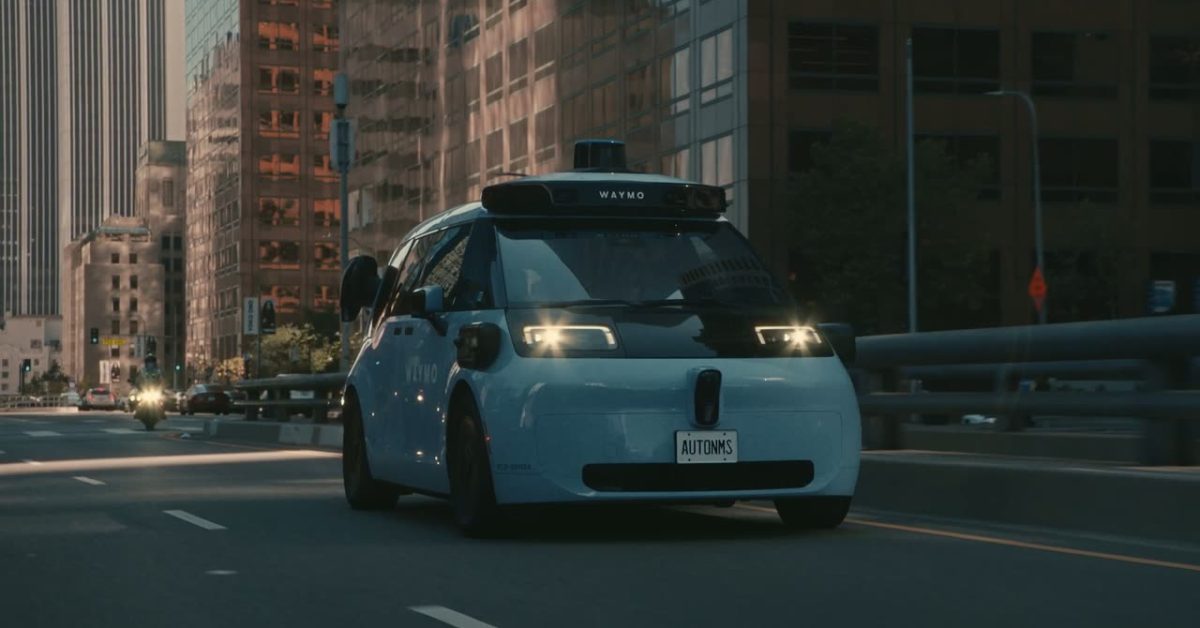
Waymo’s public rollout is a business signal
Driverless transport has moved another step beyond experimentation. Waymo has opened its robotaxi service to the general public in Denver, San Diego and Tampa, bringing its service to 14 US cities, according to Electrek. For a Malaysian SME owner, the important story is not whether you will book a robotaxi tomorrow. It is how quickly an emerging technology can move from a controlled trial into a repeatable commercial operation.
That shift has direct relevance to your business. Artificial intelligence, automation and connected systems are increasingly becoming operational tools rather than impressive demonstrations. Whether you run a restaurant, clinic, tuition centre, logistics firm, retailer or professional-services company, customers and employees will increasingly expect faster responses, more predictable service and fewer manual steps.
What Happened
Waymo opened public access in Denver, San Diego and Tampa after previously restricting service in those markets to employees and invited guests. Tens of thousands of people in each city had already joined the waitlist, and Waymo said it would admit riders gradually over the following weeks, according to Electrek.
The rollout also introduced Waymo’s newer Zeekr-built vehicle in Denver and San Diego. The roomier minivan-style vehicle uses the company’s next-generation Waymo Driver system. Waymo has launched commercial service in seven new cities since March 2025, expanded its coverage area by more than 20% to over 1,400 square miles in May, and received California approval to operate across 18 counties in August, based on the source report.
The company is targeting one million paid rides per week by the end of 2026. Waymo also reported that its vehicles had been involved in 94% fewer serious-injury crashes than human drivers over the miles it had driven, although the report noted that the service mainly operates in lower-speed areas. In Tampa, Waymo now operates alongside Tesla’s paid robotaxi service, creating a direct comparison between two different approaches to autonomous transport, according to Electrek.
“Waymo isn’t running a pilot anymore. It’s running a business, and it’s compounding.” — Electrek’s assessment of the rollout, reported at Electrek
Why This Matters for Malaysian SMEs
Malaysia is not yet a major public robotaxi market, but the operating lesson applies immediately: automation creates value when it is attached to a defined workflow, a reliable data source and a customer-facing outcome. You do not need autonomous vehicles to benefit from the same approach.
Consider a Klang Valley food-delivery operator. Instead of asking staff to manually check every order, a connected system can combine online orders, kitchen status and delivery updates into one dashboard. A customer can receive an automatic message when the order is accepted, prepared and dispatched. Staff remain responsible for exceptions, but routine coordination becomes faster and more consistent.
A Malaysian clinic can apply the same principle to appointment administration. An automated assistant can confirm bookings, send reminders, collect basic information and flag cases that require staff attention. A tuition centre can automate attendance notifications, class reminders and parent enquiries. A wholesaler can use rules to identify low stock, generate a draft purchase order and alert a manager before an item becomes unavailable.
The point is not to remove people from every process. Waymo still has to manage safety, accessibility, vehicle operations and rollout controls. Your business also needs human oversight for complaints, unusual requests, sensitive decisions and service recovery. The opportunity is to let software handle predictable work while your team concentrates on judgement and relationships.
| Waymo rollout lesson | Practical SME application |
|---|---|
| Start with controlled testing | Trial one automated workflow with one branch or department |
| Expand after real-world validation | Review error rates, response times and customer feedback before scaling |
| Support public accessibility | Ensure customers can still reach a human through familiar channels |
| Use data to monitor performance | Track completed tasks, exceptions and delays in a shared dashboard |
| Design for operational reliability | Create fallback procedures when systems, integrations or internet access fail |
The Bigger Picture
Waymo’s expansion shows that technology adoption is not only about the underlying invention. It is also about deployment discipline. A system must work across different locations, customer types, operating conditions and staff routines. That is the harder stage for many SMEs: moving from a clever tool used by one person to a dependable process used by the whole company.
This is where Malaysian businesses should be careful. Adding an AI chatbot to a website is not the same as improving customer service. Installing a business application is not the same as creating a useful workflow. The result depends on whether the tool connects to current information, assigns responsibility clearly and records what happened.
You should also examine your data before introducing more automation. Customer names, telephone numbers, addresses, invoices and appointment details need sensible access controls. Staff should know which information may be entered into an AI tool and which information must remain inside approved business systems. A simple written policy can prevent accidental disclosure and inconsistent use.
Regulation and public trust matter as well. Waymo’s rollout involved safety claims, local officials and accessibility organisations, as reported by Electrek. Your business may face less complex technical risk, but customers still want to know how their information is handled and when an automated system is making a decision. Clear notices, human escalation and accurate records build confidence.
What you can do this quarter
Choose one repetitive process that affects customers every day. Map the current steps, identify where delays occur and record the information required at each stage. Then test automation on a limited scale. Good starting points include lead follow-up, appointment reminders, invoice-status enquiries, stock alerts, staff scheduling and frequently asked questions.
Set three measurable indicators before launching: completion time, number of manual interventions and number of errors or complaints. Review the results weekly. If the process improves without creating new problems, expand it gradually. If it fails, change the workflow rather than blaming the technology.
Waymo’s latest move is a reminder that commercial technology becomes meaningful when it can operate reliably in the real world. For your SME, the winning approach is similar: start with a narrow job, test it with real users, maintain human control and scale only after the process proves dependable. The businesses that build these habits now will be better prepared as AI and automation become ordinary parts of Malaysian commerce.
Ready to Streamline Your Operations?
Technology moves fast. Your operations should keep up. AutoRunBiz builds AI systems that run your daily workflows — from WhatsApp order capture to accounting. Book a free 15-min ops audit →