
When You Cannot See How Your Business Compares
Running a small business often means making important decisions with incomplete information. You may know your own sales, invoices and payment history, but you may not know how your business compares with similar companies in your industry or area. That makes it harder to judge whether a new customer is a safe credit customer, whether a supplier’s terms are reasonable, or whether your business profile looks strong to a potential lender.
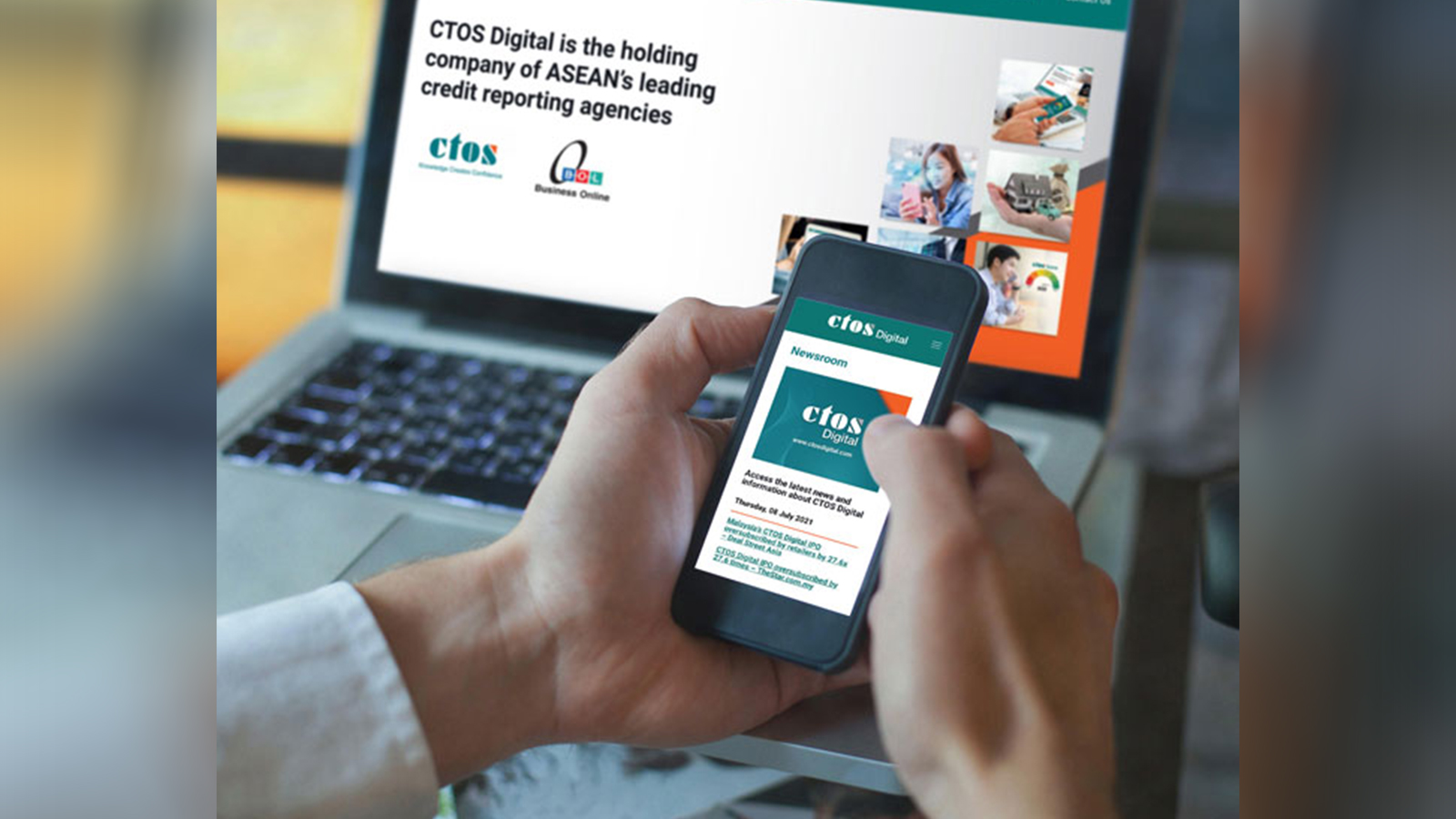
This is where business intelligence and peer credit benchmarking can become useful. The recent upgrade to CTOS Digital’s mobile app shows how credit information is moving beyond a simple report. Business owners can increasingly use data to understand their position, identify warning signs and prepare before a problem becomes urgent.
TL;DR: Peer benchmarking helps you compare your company’s credit standing with similar businesses instead of viewing your report in isolation. Used carefully, it can support better customer screening, supplier discussions, internal controls and business planning.
What This Means
A traditional credit report gives you information about one company. It may show records such as payment behaviour, outstanding obligations, legal information or other indicators used to assess credit standing. That information is useful, but it does not always answer a practical question: How does my business compare with companies like mine?
Peer credit benchmarking adds context. It allows you to compare selected business indicators against a group of similar companies. The comparison may involve businesses in a related sector, a similar size range or a comparable operating profile. Instead of seeing one isolated score or report, you get a reference point.
For example, if your business has several late payment records, the key issue is not only that the records exist. You also need to understand whether your profile is broadly typical for comparable businesses or whether it is noticeably weaker. That difference can influence the next action you take, such as reviewing cash collection, checking supplier accounts or correcting outdated information.
Business intelligence refers to the use of organised data to support decisions. In an SME, this does not need to involve complicated dashboards or a dedicated analyst. It can mean using available business information to spot patterns, compare performance and decide what needs attention first.
A credit report tells you what is recorded. A benchmark helps you decide what deserves attention.
How This Applies to Malaysian SMEs
1. Screen new customers before extending credit. If you supply products or services on credit terms, you carry the risk of waiting for payment after delivery. This is common among wholesalers, contractors, distributors, agencies and professional service providers. A customer may appear established, but that does not automatically mean its payment behaviour is reliable.
Before approving a larger credit limit, review the available business information and compare the customer with relevant peers where possible. You can then create a more consistent approval process. A business with a stronger profile may qualify for your standard terms, while a higher-risk account may require a smaller limit, staged delivery or payment before certain work begins. The aim is not to reject every customer with a warning sign. It is to avoid making the decision based only on instinct.
2. Improve your own standing before a major business request. Malaysian SMEs may eventually need to approach a bank, supplier, investor or strategic partner. Your business profile can affect how others view your reliability. If benchmarking shows that your company is weaker than comparable businesses, you have an opportunity to investigate before submitting an application or proposal.
Start by checking whether the information is accurate and current. Review company details, payment records and outstanding accounts. Then examine your internal habits. Are invoices being issued late? Are customer collections followed up consistently? Are supplier accounts paid without a clear schedule? Is business and personal spending properly separated? These operational details can influence the quality of your financial records and the way your business is assessed.
3. Make supplier and customer conversations more evidence-based. Small business owners often negotiate based on relationships. Relationships matter, but clear information can make discussions more productive. If a supplier asks for stricter terms, you can review your own profile and understand what may have triggered concern. If a customer requests a larger credit limit, you can discuss the request using a defined process rather than making an informal exception.
This is particularly useful for businesses with many accounts to manage. A simple internal policy can state what information is reviewed, who approves exceptions and when accounts are reassessed. That reduces the risk of one salesperson or manager making a decision that creates an unpaid balance later.
4. Support decisions across common Malaysian business sectors. A construction subcontractor can use business information when assessing a new main contractor. A food distributor can review restaurant or retail customers before offering extended terms. An online seller supplying corporate orders can separate low-risk repeat buyers from unfamiliar accounts. A marketing agency can assess whether a prospective client appears suitable for a project that requires several weeks of work before final payment.
In each case, benchmarking is only one input. You should also consider the customer’s order history, contract terms, references, purchase pattern and communication. Data helps you ask better questions; it should not replace practical judgement.
A Simple Data View for Your Business
Use a small review table to connect credit information with daily action. The figures below are illustrative targets, not industry standards. Set your own thresholds based on your operations and risk tolerance.
| Area to review | Illustrative measure | Action if performance weakens |
|---|---|---|
| Customer collection | Review overdue accounts every 7 days | Assign an owner and send a documented follow-up |
| Credit approval | Reassess larger accounts every 90 days | Check updated business and payment information |
| Supplier payments | Match invoices to payment records weekly | Resolve missing documents or disputed charges |
| Data accuracy | Review company records every 6 months | Correct outdated details with the relevant provider |
These review intervals are operating suggestions rather than externally verified industry data. The important point is consistency. A process that is followed regularly is more useful than a detailed system that nobody maintains.
Practical Takeaways for Your SME
- Check your own profile first. You cannot assess customers properly if your internal records and business information are unclear.
- Compare like with like. A small local distributor should not be compared casually with a large listed company or an unrelated sector.
- Use benchmarks as signals, not verdicts. Investigate unusual results before changing a relationship or rejecting an opportunity.
- Create written credit rules. Define approval limits, required checks, exceptions and review dates.
- Record the reason for each decision. This helps your team stay consistent when staff or customers change.
- Connect credit information to your accounting workflow. Keep customer balances, invoice dates, payment status and follow-up notes together.
- Protect sensitive information. Limit access to authorised staff and avoid sharing business data through unsecured channels.
- Act on errors quickly. If a record appears inaccurate, contact the relevant information provider and keep supporting documents.
Questions to Ask Before You Rely on a Benchmark
Before treating a comparison as meaningful, ask how the peer group was selected. Are the companies similar in size, sector and location? Is the information current? What does the indicator actually measure? Does it describe payment behaviour, legal records, business activity or another factor?
You should also ask whether the result is useful for the decision in front of you. A benchmark may help you decide whether to investigate a customer, but it may not tell you whether that customer is commercially suitable. You still need to review the contract, delivery requirements, expected order volume and the people responsible for payment.
For your own company, avoid chasing a benchmark simply to appear better. Focus on the underlying business habits: accurate records, clear invoicing, sensible credit limits, regular collection and timely responses to disputes. A stronger profile should reflect sound operations, not temporary presentation.
The Bigger Picture
The wider trend is clear: business data is becoming more accessible through mobile tools, and small companies are being given more ways to make decisions using evidence. You do not need to become a data specialist. You do need to become more disciplined about asking what your information is telling you.
For Malaysian SMEs, this can raise the standard of everyday decision-making. Instead of approving customers because they seem familiar, you can combine relationship knowledge with structured checks. Instead of discovering a weakness only when an external party raises it, you can review your position earlier. Instead of keeping credit decisions in one person’s memory, you can create a process the team can follow.
The best result is not a dashboard full of numbers. It is fewer surprises, clearer responsibilities and better timing. Treat peer benchmarking as an early-warning tool, combine it with your own records, and turn the findings into practical steps your team can repeat.
Source: SoyaCincau report on CTOS Digital’s mobile app upgrade.
Ready to Streamline Your Operations?
Your business should run itself. AutoRunBiz deploys AI agents to automate your daily operations — WhatsApp orders, invoicing, customer follow-ups, and accounting. Book a free 15-min ops audit to see where automation fits your business →