
Is Your Business Tech a Security Risk?
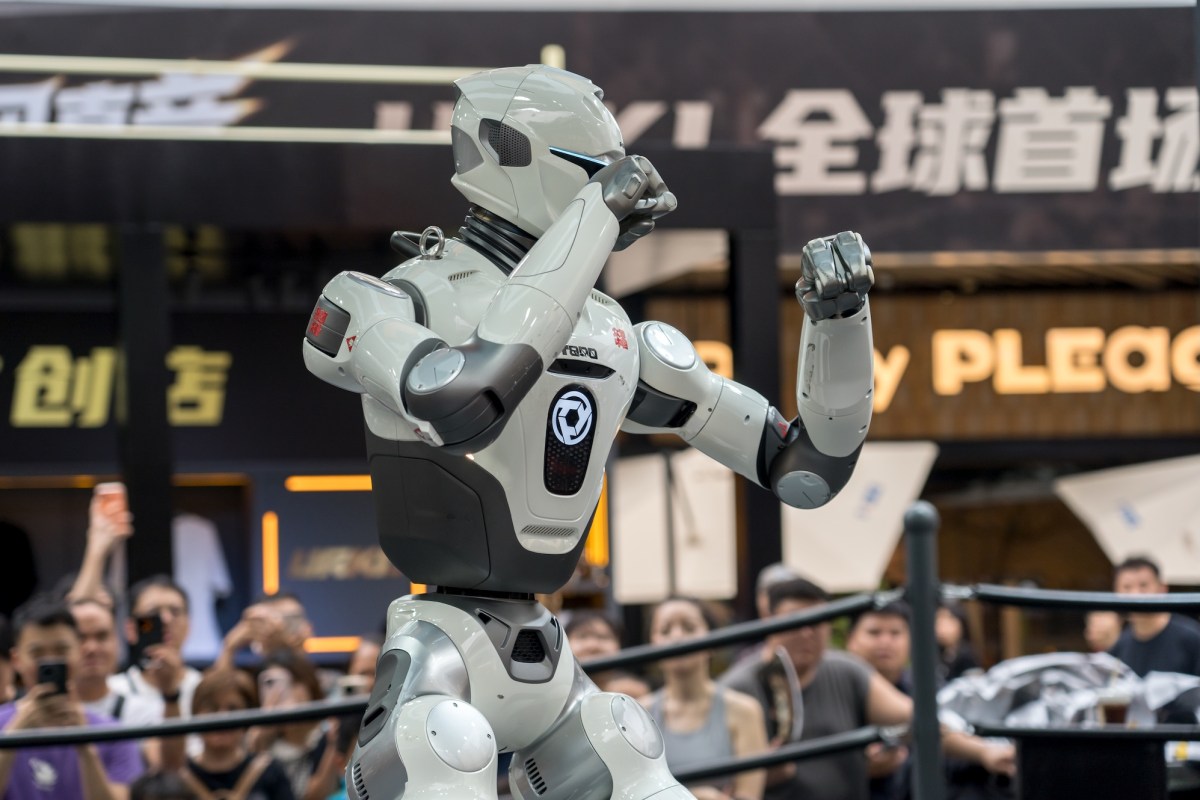
You wouldn’t hand over the keys to your office to a stranger, would you? Yet that’s exactly what many Malaysian SMEs are doing when they install smart devices from unknown sources. The recent US government ban on new foreign-made humanoid robots, robot dogs, and solar inverters might seem like a distant policy debate, but for owners like you, it’s a direct signal about the hidden risks in technology you already use or plan to adopt.
The US Federal Communications Commission (FCC) announced this ban, citing “unacceptable” threats to national security—essentially, that these devices could be remotely controlled or used for surveillance by foreign governments, or weaponized in cyberattacks. This move largely targets imports from China, which dominates the global market for these products. But why should a US ban matter to your business in Malaysia?
Because many of the technologies affected are already showing up in local operations. Solar inverters power renewable energy setups for cost-conscious SMEs; humanoid robots are entering the automation conversation; and robot dogs are being tested for inspection tasks. The ban exposes a critical truth: the security of your technology is tied to its origins, and that affects your business directly.
TL;DR: The US has banned imports of humanoid robots, robot dogs, and solar inverters from certain makers due to espionage and cyberattack risks. Malaysian SMEs using or considering such tech should audit their devices, check supplier backgrounds, and prioritize security in their procurement process.
What This Means for Malaysian Business Owners
In plain terms, the US believes that devices built overseas can act as backdoors for foreign governments. This isn’t a new trend—the US has previously banned foreign-made routers and surveillance equipment from Chinese companies like Hikvision and Dahua (TechCrunch, 2026). For Malaysian SMEs, the key takeaway is that your supplier’s location matters. If your solar inverter or future robot assistant is from a high-risk region, you face potential vulnerabilities.
The ban covers new imports, not existing ones. According to the FCC, devices already in homes and businesses remain unaffected, but the precedent sets a higher security bar going forward. With only around 15,000 humanoid robots shipped globally in 2025 and China’s manufacturers holding the majority (TechCrunch, 2026), this ban pressures businesses worldwide to rethink their technology choices.
How This Applies to Malaysian SMEs
Malaysia’s renewable energy sector is growing fast, and many SMEs are switching to solar to cut expenses and go green. Your solar inverter—the device that connects your panels to the grid—is often imported, with a significant share from China. If that inverter is from a company now banned in the US, it doesn’t mean it’s immediately compromised, but it does highlight why vendor vetting is crucial. Every connected device in your system is a potential entry point for network intrusion.
In automation, humanoid robots and robot dogs are still early-stage, but they are being explored by forward-looking SMEs for tasks like warehouse sorting or site inspections. The ban serves as a warning: even niche tech carries risks. Your business data—customer lists, financial records, or proprietary processes—could be exposed if these devices are exploited. The US government has acknowledged that foreign governments could force companies to tamper with products or spy on users (TechCrunch, 2026).
This ban is part of a broader pattern. The US already restricted foreign-made consumer routers and Chinese surveillance gear, signaling a long-term shift in technology trade. For your SME, this means your procurement strategy needs to evolve. It’s not just about cheapest option or fastest delivery; it’s about where components are made and who controls them. Malaysian authorities haven’t issued similar rules, but global standards are tightening, and proactive businesses will be better protected.
Consider the real-world use case: a typical SME might have an IoT-connected inverter for solar monitoring, a smart security camera from a Chinese brand, and a router from a manufacturer with ties elsewhere. This ecosystem, if not secured, could allow attackers to pivot between systems. The ban is a reminder that connectivity amplifies risk, and every smart device in your office is a potential liability.
“The safety of your technology depends on who made it, not just what it costs. Trust in your supply chain is non-negotiable.”
Practical Steps for Your SME
- Create a technology inventory: List every smart device in your business, from inverters to printers and cameras. Note their manufacturer and country of origin.
- Research your suppliers: Check if any are on foreign bans or have known security issues. Use resources like threat intelligence reports or supplier audits.
- Segment your network: Keep IoT devices on a separate Wi-Fi from your critical business data. This limits damage if a device is compromised.
- Enable firmware and updates: Regular patches can close known vulnerabilities. Set reminders or automate updates where possible.
- Diversify your sources: Don’t rely on a single region for tech imports. Explore alternatives from Southeast Asia or other regions with strong security standards.
- Stay informed on global trends: Follow cybersecurity news and trade policies. Early warnings help you adapt before issues affect your operations.
Data at a Glance: The Scope of the Ban
| Device Type | Global Market Context | Potential SME Risk |
|---|---|---|
| Humanoid Robots | 15,000 shipped globally in 2025; China dominates production (TechCrunch) | Surveillance or remote control risks if used in automation |
| Robot Dogs | Used for inspection and patrol tasks; Chinese makers hold large share | Unauthorized access to sensitive areas |
| Solar Inverters | Massively produced in China; used in expanding solar capacity | Potential gateway for grid-level attacks or data theft |
This table shows how global production patterns connect to local business operations. The risks aren’t hypothetical; they reflect real government actions based on evidence of exploitation (TechCrunch, 2026).
The Bigger Picture: Long-Term Implications for Your Business
This ban is a symptom of a larger shift towards technology sovereignty. Countries are moving to secure their supply chains against geopolitical threats. For Malaysian SMEs, this could mean higher costs or supply shortages for certain imported tech, but more importantly, it underscores the need for cybersecurity as a core business practice.
Long-term, you might see more local manufacturing or diversification of trade partners. However, the immediate change is mindset: technology decisions can no longer be purely about functionality or price. They must include trust and security checks. Humanoid robots and solar inverters are just the start; other connected devices could face similar scrutiny. By building secure habits now—auditing devices, vetting suppliers, and isolating risks—you make your business more resilient.
The US ban is not just a foreign policy note. It’s a practical alert for every Malaysian SME owner. The devices you rely on today could become liabilities tomorrow. Start by knowing what’s in your tech stack and where it came from. Your business security depends on it.
Ready to Streamline Your Operations?
Your business should run itself. AutoRunBiz deploys AI agents to automate your daily operations — WhatsApp orders, invoicing, customer follow-ups, and accounting. Book a free 15-min ops audit to see where automation fits your business →