
Why EV charging deals matter to your business
If your business uses company cars, delivery vehicles, sales vehicles or staff transport, charging is becoming an operational issue rather than a personal preference. Your team needs to know where vehicles can charge, how long charging may take and whether drivers can receive consistent support when they are travelling between customer visits.
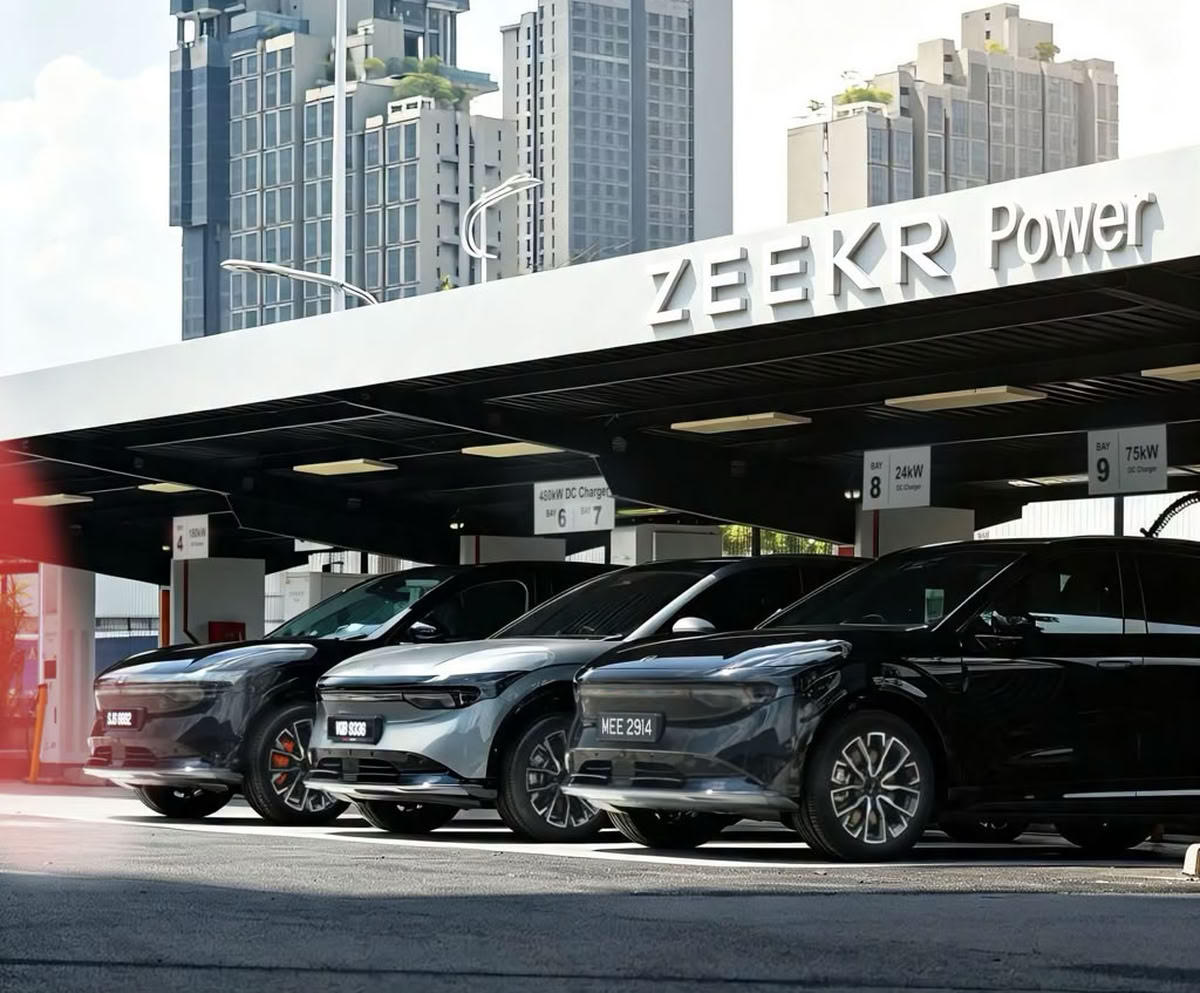
A new arrangement involving Zeekr owners and JomCharge puts this issue into sharper focus. Zeekr owners can receive a 25% discount at JomCharge electric vehicle charging points nationwide, according to SoyaCincau. For an SME, the more important lesson is not the vehicle brand. It is how partnerships, memberships and charging networks can shape daily fleet operations.
TL;DR: Treat EV charging benefits as an operations workflow, not just a driver perk. Record charging activity, plan routes around available stations and set clear rules for company vehicles.
If you are considering an electric company vehicle, already manage one or simply expect more employees to drive EVs, a structured process will help you avoid missed appointments, unclear claims and preventable downtime.
What This Means
JomCharge operates a network of EV charging points that drivers can access through its platform. The Zeekr partnership provides eligible owners with a 25% discount at participating JomCharge charging points nationwide, subject to the programme’s terms and conditions. The reported arrangement is relevant because it connects three separate business needs: vehicle ownership, charging access and digital account management.
For you as an SME owner, the practical concept is simple. A charging partnership can give drivers a more predictable way to use public chargers, while your business can create rules around who charges, when they charge and how the activity is recorded. This is especially useful when several employees share vehicles or when drivers travel outside your usual operating area.
However, the discount should not be treated as the only decision factor. You still need to check station locations, charger types, operating hours, payment requirements, availability and whether the benefit applies to every charging session. The source article states the discount is for Zeekr owners at JomCharge points nationwide, but the exact membership conditions should be confirmed directly before you build company procedures around it. Review the reported offer details here.
| Business area | What you should check | Useful record |
|---|---|---|
| Vehicle eligibility | Whether the vehicle and driver qualify for the programme | Vehicle registration and membership status |
| Charging access | Station location, charger type and availability | Approved charging locations |
| Daily operations | Charging time compared with customer appointments | Route and charging schedule |
| Administration | How charging activity is reviewed and approved | Digital session or monthly usage record |
How This Applies to Malaysian SMEs
1. Delivery and service businesses can plan charging around routes. If your company provides air-conditioning repair, pest control, equipment maintenance or installation services, your team may visit several locations in one day. A driver who waits until the battery is low may end up charging at an inconvenient time, arriving late for the next appointment. Instead, add charging points to your route plan. A simple shared form can record the vehicle, customer area, planned charging station and expected appointment time.
For example, a technician travelling from Petaling Jaya to Shah Alam and then to Klang could check suitable charging locations before leaving. The office coordinator can see the planned route and identify where the vehicle should charge during a natural break. This is more reliable than asking the technician to search for a station while already running low on battery.
2. Sales teams can reduce uncertainty during regional travel. Your salespeople may travel between Kuala Lumpur, Johor, Penang, Sabah or other business areas depending on your customer base. A charging discount may help eligible drivers, but the larger operational benefit comes from having a repeatable travel process. Require drivers to check charging availability before long trips, keep a backup station in the route plan and report any access problem immediately.
You can also separate personal and business charging records. If a company vehicle is used outside working hours, the driver should indicate whether the session relates to a customer visit, a return journey or personal travel. This makes your records clearer and helps you identify patterns such as repeated charging at unsuitable times or frequent route changes.
3. Retailers and small logistics operators can manage shared vehicles better. A bakery delivering orders, a florist serving events or a retailer moving stock between outlets may have several drivers using the same vehicle. Without a handover process, one driver may leave the vehicle with too little battery for the next shift. A digital checklist can require the outgoing driver to record the battery status, charging location and any issue with the vehicle or account.
The Zeekr and JomCharge arrangement also shows why employee access needs to be managed. If the charging benefit is connected to a specific owner, account or membership, you should not assume every employee can use it automatically. Confirm who is authorised, what login or verification method is required and how the business will handle a replacement vehicle or staff transfer.
4. Offices and property-related SMEs should think about charging as a service. If you operate a small office, workshop, co-working site, showroom or commercial property, employees and visitors may ask whether charging is available. You do not need to install a charger immediately to respond professionally. First, map nearby public charging points and share them with staff. If demand grows, use actual usage records to decide whether workplace charging is appropriate.
This approach prevents you from making a facility decision based only on assumptions. It also helps you understand whether drivers need fast charging during the day, overnight charging or simply occasional access during customer visits.
Key insight: The value of an EV charging partnership is not only the discount. It is the ability to make charging more predictable, visible and easier to manage across your team.
Practical Takeaways
- Confirm the terms first. Check eligibility, participating stations, membership requirements and any usage limitations directly with the relevant provider. The reported Zeekr benefit is a 25% discount at JomCharge charging points nationwide, as covered by SoyaCincau.
- Create an approved charging list. Record stations near your office, customer areas, warehouses and common travel routes.
- Assign charging responsibility. Decide whether the driver, fleet coordinator or office administrator checks station availability and session records.
- Use one simple digital form. Capture vehicle number, driver, date, location, charging status, business purpose and any access issue.
- Plan charging before the battery becomes urgent. Add a charging stop to the route plan rather than treating it as an emergency task.
- Keep personal and business use separate. Ask employees to identify the purpose of each session, especially when vehicles are shared.
- Review the process regularly. Look for missed appointments, repeated station problems, long waiting periods and incomplete records.
- Prepare a backup plan. Keep an alternative station or temporary vehicle option for routes where charging access is uncertain.
A simple workflow you can start this week
- List every company vehicle and identify which ones are electric.
- List the employees who drive each vehicle and the areas they normally cover.
- Mark nearby JomCharge locations and other suitable charging points on your route map.
- Ask drivers to record every business charging session for one operating week.
- Review the records with your office or operations team.
- Write a one-page charging policy covering approved use, reporting and emergency procedures.
You can manage this with a shared spreadsheet or a simple online form at the beginning. The important thing is consistency. Once your team follows the same process, you can decide whether your business needs vehicle reminders, automated approvals or a more connected fleet system.
The Bigger Picture
EV adoption will affect more than the type of vehicle your employees drive. It will influence scheduling, customer service, property planning, route management and business reporting. Partnerships such as the Zeekr and JomCharge arrangement show how vehicle brands, charging operators and digital membership platforms are becoming connected parts of the driving experience. The reported benefit covers a 25% charging discount for Zeekr owners at JomCharge points nationwide, but the wider business lesson is about coordination, not just eligibility. Read the source article for the announcement.
For Malaysian SMEs, the best response is practical preparation. You do not need a large fleet or a dedicated transport department to begin. Start by tracking where charging happens, how it affects schedules and which information your team needs before each trip. These records will help you make better decisions when choosing vehicles, assigning routes or improving customer appointment planning.
When your charging process is clear, drivers spend less time guessing, coordinators receive better visibility and customers are less likely to feel the impact of avoidable delays. That is the real operational advantage: a small partnership benefit becomes more useful when it is supported by simple, dependable business routines.
Ready to Streamline Your Operations?
Your business should run itself. AutoRunBiz deploys AI agents to automate your daily operations — WhatsApp orders, invoicing, customer follow-ups, and accounting. Book a free 15-min ops audit to see where automation fits your business →