
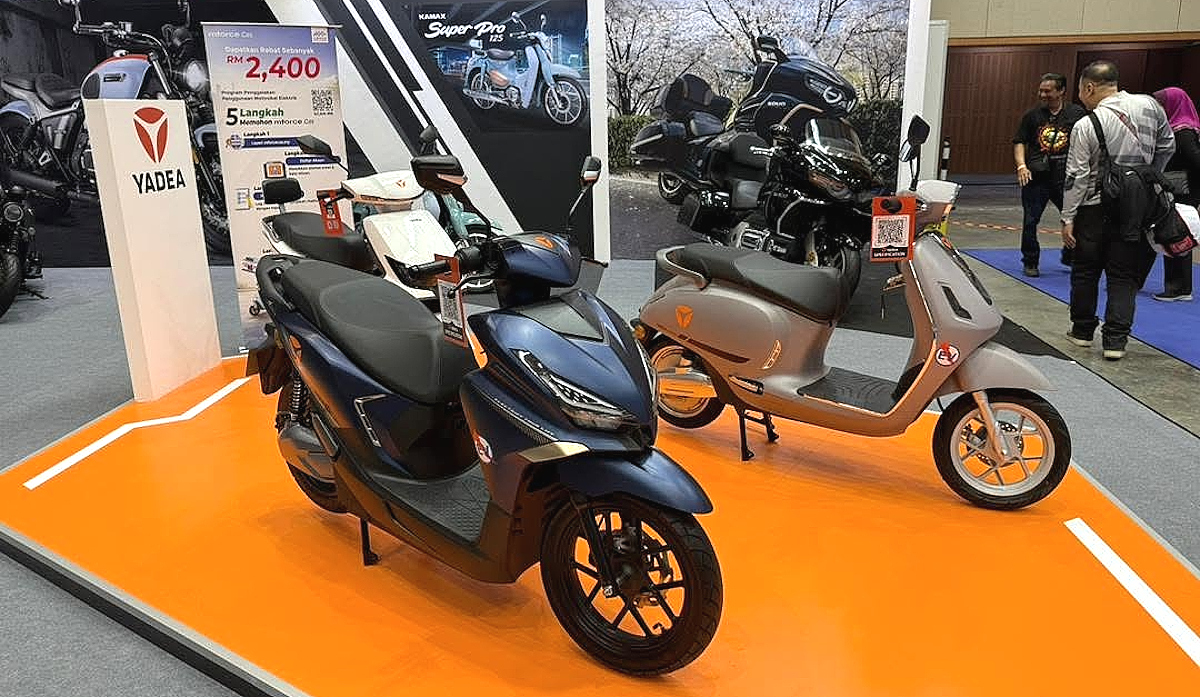
Why This Matters When Your Business Depends on Daily Mobility
If your business relies on riders, technicians, sales staff, or short-distance deliveries, transport decisions affect far more than getting from one place to another. A late arrival can interrupt a customer appointment, delay a parcel, or leave a service job unfinished before the end of the day.
The latest extension of the Malaysian government’s electric motorcycle incentive gives eligible businesses and individuals more time to assess whether an electric motorcycle fits their operations. According to the source article, the deadline has been extended to 31 October 2026, with qualifying buyers able to obtain a Mforce electric motorcycle for as low as RM3,098. Source
For an SME, the useful question is not simply, “Is this motorcycle affordable?” It is: can this vehicle complete the work your business needs, reliably and legally, every day?
TL;DR
The extended deadline gives Malaysian SMEs more time to evaluate an electric motorcycle for short-distance work such as food delivery, parcel runs, field service, and staff errands.
Before applying, check eligibility, operating range, charging arrangements, rider safety, service support, and whether the motorcycle suits your actual routes.
What This Means
An electric motorcycle uses a battery-powered motor rather than a petrol engine. For a business, that changes how you plan daily operations. Your rider may need to charge the battery between shifts or at the workplace. Your dispatcher may need to assign routes based on distance and charging access. Your operations manager may need to track battery condition alongside delivery completion.
The incentive extension matters because the original application window has been pushed back again. The reported new deadline is 31 October 2026. Source This gives you a practical opportunity to gather documents, test a vehicle, speak to your riders, and compare the motorcycle against your existing transport setup.
Do not treat the advertised starting figure as a complete business decision. The final amount and eligibility may depend on the programme rules, approved model, buyer category, registration requirements, and application process. Confirm the current terms directly with the relevant seller or programme administrator before committing.
The right electric motorcycle is not the one with the lowest advertised figure; it is the one that can finish your normal workday without disrupting service.
How This Applies to Malaysian SMEs
Food and beverage operators may find electric motorcycles useful for short delivery zones. If you operate a restaurant, cloud kitchen, bakery, or catering service, you could assign the motorcycle to nearby customer orders, supplier collections, or movement between branches. A short, predictable route is easier to manage than long-distance delivery across several districts. You can also create delivery zones in your order system and assign electric-motorcycle jobs only within a suitable distance.
Retailers and online sellers can use an electric motorcycle for local parcel drops, stock transfers, and urgent customer requests. A small clothing shop, pharmacy, florist, or electronics retailer may not need a large vehicle for every delivery. If your staff already make several short trips each day, you can record the destination, expected distance, delivery status, and battery level in a simple mobile form. This creates a basic operating record without requiring technical expertise.
Service businesses such as air-conditioning contractors, plumbers, pest-control operators, and computer repair shops should assess carrying capacity carefully. An electric motorcycle may suit inspections, quotations, or small repair calls, but it may not be suitable for jobs requiring bulky tools or equipment. You could use it for the first visit, then send a larger vehicle only when the customer confirms that heavier equipment is required.
Sales and field representatives may also benefit when their territories involve dense commercial areas. A motorcycle can help a staff member visit several nearby shops, collect documents, or check displays. However, you should consider rain protection, helmet use, parking conditions, road safety, and whether the employee is comfortable riding for several hours.
Small logistics teams can use a pilot approach. Instead of replacing every motorcycle, assign one unit to the most predictable route for four weeks. Record completed jobs, missed jobs, charging interruptions, rider feedback, and maintenance issues. This gives you evidence before making a broader fleet decision.
Numbers to Check Before You Decide
The table below provides a practical framework. The deadline and advertised starting figure come from the source article; the remaining items are operational checks you should complete for your own business.
| Item | Reported or recommended figure | What you should verify |
|---|---|---|
| Application deadline | 31 October 2026 Source | Whether applications must be submitted before a specific time and whether approval is required by then |
| Advertised starting amount | RM3,098 Source | Final payable amount, qualifying model, registration, insurance, and other required charges |
| Pilot duration | 4 weeks | Whether the motorcycle can handle your busiest route and weather conditions |
| Daily route review | 5 checks: distance, load, charging, rider, delivery time | Whether your process is suitable for electric-motorcycle use |
| Decision record | 3 outcomes: proceed, adjust, or stop | Whether actual performance supports wider adoption |
Practical Takeaways
- Map your routes first. List the most common delivery, service, collection, and sales trips. Separate short, predictable routes from long or uncertain ones.
- Check the real payload. Include food containers, tools, parcels, protective equipment, and any additional load carried by the rider.
- Confirm charging arrangements. Identify where the motorcycle will be charged, who is responsible for charging, and what happens when the battery is low during a shift.
- Ask about support. Confirm warranty terms, service locations, battery support, replacement procedures, and expected maintenance arrangements directly with the seller.
- Review eligibility early. Prepare business registration records, identification documents, vehicle information, and any forms requested by the programme or dealer.
- Train the rider. Cover safe riding, battery handling, charging procedure, daily checks, route planning, and what to do after an incident.
- Track business results. Record completed jobs, late deliveries, charging delays, breakdowns, rider feedback, and customer complaints.
- Connect the vehicle to your workflow. Use a shared form or business automation system to capture job assignment, delivery proof, battery status, and maintenance reminders.
- Do not rush because of the deadline. A deadline should prompt organised checking, not a decision based only on an advertised starting figure.
A Simple Four-Week Pilot Plan
During week one, select one route and define success clearly. For example, you may require the rider to complete scheduled nearby jobs, record every charging interruption, and submit delivery proof after each stop. Make sure the route represents normal working conditions rather than an unusually quiet period.
During week two, review the operational details. Was the motorcycle available when needed? Did the rider have enough battery for the full route? Were parcels secure? Did rain, traffic, hills, or road surfaces create difficulties? Ask the rider for feedback because practical problems often appear during use, not during a showroom demonstration.
During week three, test a busier schedule or a second type of task. If the motorcycle handled restaurant deliveries, try supplier collection or local customer service visits. This helps you understand whether the vehicle is useful across your business or only for one narrow purpose.
During week four, decide whether to proceed, adjust the route, or stop. If the pilot works, document the operating rules before adding another motorcycle. If it fails, identify whether the issue was the vehicle, route design, charging process, payload, or rider training.
The Bigger Picture
Electric motorcycles may become more relevant to Malaysian SMEs as businesses look for cleaner, quieter, and more structured ways to manage short-distance work. The largest benefit may not come from replacing every vehicle. It may come from matching the right vehicle to the right task.
This also encourages better operational discipline. When you monitor route distance, job timing, charging status, rider assignment, and maintenance, you gain clearer visibility into your field work. That information can help you schedule more accurately and identify recurring delays, regardless of whether you ultimately adopt an electric motorcycle.
The deadline extension to 31 October 2026 gives you a defined date for action, but the decision should remain operational. Check the official terms, test the vehicle against real routes, and involve the people who will use it every day. If the motorcycle fits your work pattern, a carefully managed pilot can be a sensible next step. If it does not, you will have avoided forcing unsuitable equipment into your business.
Ready to Streamline Your Operations?
Your business should run itself. AutoRunBiz deploys AI agents to automate your daily operations — WhatsApp orders, invoicing, customer follow-ups, and accounting. Book a free 15-min ops audit to see where automation fits your business →