
Turn Everyday Search Into a Practical Training Assistant
If you run a Malaysian SME, staff training often competes with customer requests, operational issues and your own packed schedule. You may have product notes, standard operating procedures, sales scripts and supplier documents, but turning them into useful learning activities can take hours.
New AI learning features in Google Search point to a practical opportunity: you can use familiar search and document tools to explain difficult ideas, create quizzes, review mistakes, organise reference materials and produce concise training documents. The same approach designed for students can support onboarding and continuous learning in a small business.
TL;DR: AI-powered search can help you turn existing business documents into explanations, quizzes, visual aids and one-page guides. Start with one low-risk training topic, check every output against your approved process, and keep a human manager involved.
What This Means
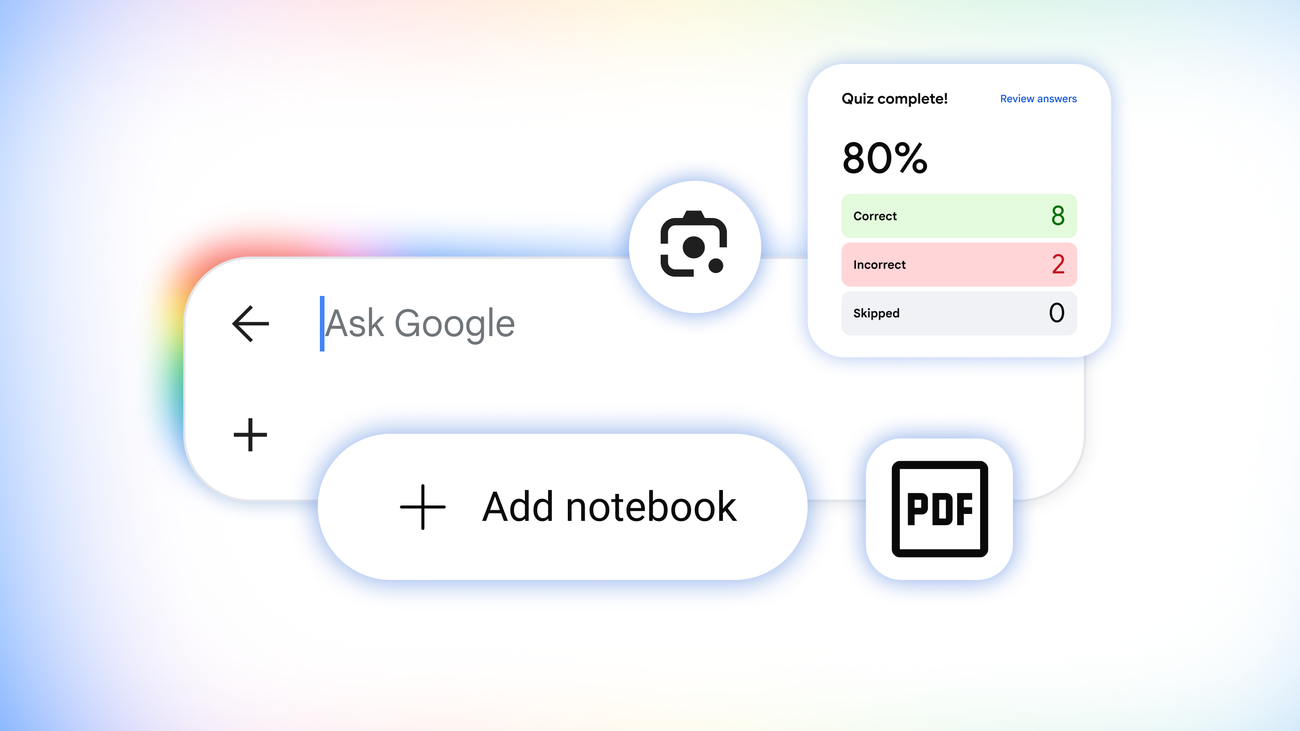
Google has announced five AI-supported learning features in Search. These include interactive visuals for difficult concepts, customised practice quizzes, image-based guidance through Lens, notebooks for organising sources, and custom files created from uploaded documents or AI Mode conversations. The features described in the source are rolling out in English, with availability varying by product and location. Google source
In plain language, the tools help convert information into different learning formats. Instead of asking a new employee to read a long document, you could create a short explanation, a knowledge check and a practical example. Instead of searching through several files during a coaching session, you could place approved materials in one organised notebook and ask questions based on those sources.
This does not mean the system automatically understands your business perfectly. AI can misunderstand instructions, omit an exception or provide a confident answer that does not match your policy. Treat it as a training assistant, not the final authority. Your approved documents, experienced staff and manager review remain essential.
Key insight: The value is not simply generating more training content. It is making your existing business knowledge easier for staff to understand, practise and apply.
How This Applies to Malaysian SMEs
1. Speed up onboarding for new employees. Suppose you operate a café, retail shop, workshop, agency or small distribution business. A new hire may need to learn opening procedures, customer handling, product information and escalation rules. You can gather your current SOP, product catalogue and service standards, then ask an AI tool to produce a plain-language summary and a short quiz. A supervisor can review the draft before using it with the employee. This gives new staff a clearer starting point without requiring you to repeat the same explanation every time.
2. Improve product and service knowledge. Malaysian SMEs often sell several product types or serve customers with different needs. A sales assistant may know the basics but struggle to explain differences between packages, specifications or suitable use cases. An interactive visual or comparison table can make the information easier to absorb. You could ask for a quiz based only on your approved product sheet, such as matching customer situations to the correct product. Keep claims, technical specifications and compliance statements checked by the person responsible for the product.
3. Turn mistakes into coaching opportunities. Google says its forthcoming Lens learning experience can use a photo to explain a problem, identify where someone may have gone wrong and provide follow-up guidance. Google source For an SME, the broader idea can apply to photographed forms, stock labels, equipment readings or spreadsheet errors. A staff member could capture a problem and ask for an explanation, but the result should be treated as a first review. For safety-sensitive work, financial records or regulated activities, a qualified person must confirm the correct action.
4. Create a reliable knowledge base for each project. The announced notebook feature allows users to organise sources such as slides, syllabi, web articles and previous AI conversations in one place. Google source You can apply the same structure to a client project, marketing campaign, renovation job, recruitment process or new branch opening. Create one notebook or reference folder containing the brief, approved messages, timelines, meeting notes and relevant policies. Staff can then ask questions against a defined set of materials rather than relying on memory or scattered chat messages.
5. Make short guides from messy materials. Many owners have handwritten notes, old slides, spreadsheets and documents created by different people. The announced custom file feature is intended to create study documents from uploaded files or AI Mode threads, including a one-page summary from notes and slides. Google source For your business, this could become a shift checklist, customer-service guide, meeting brief or handover document. Before sharing it, compare the generated version with the original sources and remove outdated instructions.
Useful SME Examples
| Business need | Input materials | Useful output |
|---|---|---|
| New staff onboarding | SOP, job description, FAQs | One-page guide and 10-question quiz |
| Product training | Catalogue, specifications, approved claims | Comparison table and customer scenarios |
| Project handover | Brief, meeting notes, task list | Summary, responsibilities and open questions |
| Customer service coaching | Service policy, sample replies, escalation rules | Role-play questions and response checklist |
The table shows a simple pattern: start with information you already trust, request a specific format, then ask a human to check it. Avoid uploading documents containing personal, confidential or commercially sensitive information until you have reviewed the tool’s privacy settings and your internal rules.
Practical Takeaways
- Choose one training problem: begin with onboarding, product knowledge or customer-service consistency rather than attempting to organise your entire business.
- Use approved sources: provide the latest SOP, policy or product document and clearly state that the answer must rely on those materials.
- Request practical formats: ask for a checklist, scenario, quiz, comparison table or one-page guide instead of a general essay.
- Set a review step: a manager or subject-matter expert should check every training document before staff use it.
- Mark uncertainty: ask the tool to identify missing information and list questions that require human confirmation.
- Protect sensitive data: remove customer names, identification details, passwords, bank information and confidential commercial terms.
- Test understanding: ask staff to explain a process or complete a short scenario, not merely confirm that they read the document.
- Keep one source of truth: archive old versions and label the current SOP with its review date.
A Simple 30-Day Starting Plan
During the first week, select one process that causes repeated questions, such as handling returns or preparing a quotation. Gather the current documents and remove irrelevant or outdated material. In the second week, create a short explanation, checklist and quiz using the approved sources. Ask the process owner to correct errors and add missing exceptions.
During the third week, test the materials with one or two employees. Watch where they hesitate, misunderstand a term or choose the wrong action. Improve the guide based on those observations. During the fourth week, publish the final version in the place your team already uses, record who completed the training and schedule a review when the process changes.
This approach keeps the project manageable. You do not need a complete AI strategy before improving one repetitive training task.
The Bigger Picture
AI learning tools may gradually change how small companies document knowledge. Training will become less dependent on long manuals and one-off explanations, because the same source material can support a guide, quiz, visual explanation and coaching conversation.
However, better tools do not replace better processes. If your SOP is vague, outdated or inconsistent, AI may simply make the confusion easier to distribute. The long-term advantage comes from keeping your business information accurate, structured and easy for staff to use.
For Malaysian SME owners, the sensible path is controlled experimentation. Use AI to reduce repetitive preparation, support supervisors and help employees practise. Keep decisions, approvals, privacy protection and safety responsibilities with people. Google’s announced features show what is becoming possible; your results will depend on the quality of your source material and the discipline of your review process.
Final Word
You do not need to turn every business document into an AI project. Pick one recurring learning problem, use your trusted materials, create a practical output and test it with your team. If the result helps a new employee understand a process faster or helps an experienced staff member avoid a repeated mistake, you have found a useful starting point for smarter business automation.
Ready to Streamline Your Operations?
Your business should run itself. AutoRunBiz deploys AI agents to automate your daily operations — WhatsApp orders, invoicing, customer follow-ups, and accounting. Book a free 15-min ops audit to see where automation fits your business →