
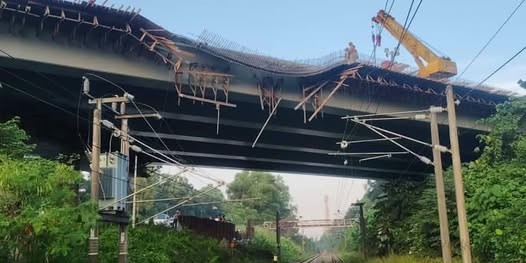
When Trains Stop, Your Business Feels the Impact
If you run a small business in Malaysia, you know that every minute counts. This morning, KTM Komuter and ETS services were disrupted, causing delays for thousands of commuters. For your SME, that might mean late employees, missed client calls, or delayed deliveries. It’s not just a travel headache—it’s a business problem that hits your bottom line.
Think about it. Your staff rely on these trains to get to work. Your suppliers might use them to move goods. Your own schedule could be thrown off. In a country where public transport is a lifeline for many, disruptions like this hit closer to home than you might expect. According to the Soyacincau report, the disruption affected widespread services, highlighting how vulnerable our infrastructure can be. For an SME owner, this isn’t just news—it’s a signal to rethink how you handle unexpected downtime.
TL;DR: What You Need to Know
Train delays are more than inconveniences—they disrupt your operations directly. Here’s the quick take: have a backup plan for employee commutes, use technology to stay agile, and consider flexible work arrangements. This isn’t just about today’s delay; it’s about building resilience for your business so you can keep running no matter what happens on the tracks.
What This Means for Your Business
Transport disruptions, like today’s KTM Komuter and ETS issues, aren’t just news headlines. They’re events that can slow down your SME in real ways. When employees can’t get to work on time, productivity dips. When you can’t get to meetings, relationships suffer. These delays are a reminder that your business depends on reliable infrastructure, but they also show you where you can improve your own systems.
But it’s not just about the immediate impact. It’s about how your business adapts. For example, if a key employee is stuck on a train, can they still contribute from their phone? Do you have cloud-based systems that allow remote work? These are questions every SME owner should ask. The disruption today is a wake-up call to strengthen your operational flexibility. The source article points out that technical issues caused the delays, but for you, the cause matters less than the effect. How quickly can your team pivot?
How This Applies to Malaysian SMEs
Malaysian SMEs are the backbone of the economy, but they often operate on thin margins. A day of delays can ripple through your operations. Let’s break it down for common scenarios that affect your business daily.
Employee Commute: If your team depends on KTM Komuter, a morning delay means late starts. For a retail shop, that’s delayed opening. For a service business, it’s missed appointments. Consider offering flexible hours or remote work options when disruptions strike. Many SMEs in the Klang Valley rely on commuter trains, so having a policy in place can keep morale high and productivity steady. For instance, a small marketing agency I know uses a shared calendar to allow staff to start later on delayed days, making up time in the evening.
Client Meetings: If you’re traveling for a sales pitch, an ETS delay can cost you a deal. Plan for extra travel time or use video conferencing as a backup. In Malaysia, where traffic and train issues are common, having a virtual meeting option can save the day. Tools like Zoom or Google Meet are cheap insurance against lost opportunities. One SME owner I spoke to always has a laptop ready for impromptu virtual calls, turning a potential loss into a productive session.
Supply Chain: For SMEs in logistics, train disruptions might affect goods movement. While this incident involves passenger trains, it highlights broader infrastructure risks. Diversify your transport methods to avoid over-reliance on one mode. For instance, if you source materials from suppliers who use rail, have a road-based alternative ready. A furniture maker in Shah Alam told me he now keeps a list of courier services that can step in when rail delays hit his shipments. It’s a simple move that protects his delivery promises.
The reality is that Malaysian SMEs cannot control public transport, but they can control how they respond. This is where proactive planning pays off. By thinking ahead, you can minimize downtime and keep your business moving, even when the trains aren’t.
Practical Takeaways for Your SME
- Set up instant alerts: Use a group chat app to notify employees of disruptions as soon as they happen. This keeps everyone informed and reduces confusion.
- Create a remote work policy: Define which roles can work from home during delays. Make sure it’s simple and understood by your team.
- Invest in mobile tools: Ensure your team can access key documents from their phones. Cloud storage and project management apps are your friends here.
- Build travel buffers: For critical trips, schedule extra time or use alternative routes. This applies to both you and your employees.
- Review your logistics: Map out your supply chain and identify single points of failure. Having backups can save you from major disruptions.
The Bigger Picture
This train delay is a snapshot of a larger trend. As Malaysia grows, infrastructure struggles to keep up. For SMEs, this means volatility is the new normal. But it also opens doors. Businesses that can adapt quickly—through remote work, digital tools, and flexible processes—will thrive in this environment.
Long-term, think about how your business can become less dependent on physical proximity. Can you digitize more services? Can you build a distributed team? The future of SME success in Malaysia might depend on how well you weather these disruptions. Companies that embrace flexibility are better positioned to handle whatever comes their way, whether it’s a train delay or something larger.
“The most resilient businesses aren’t those that avoid disruptions, but those that plan for them. Today’s train delay is a test of your SME’s adaptability.”
Consider the data: according to the source, the disruption affected thousands of passengers. For SMEs, that translates into lost hours. Let’s put it in perspective with a simple table that shows how even minor delays can compound.
| Scenario | Potential Impact on SME | Mitigation Strategy |
|---|---|---|
| 1 hour train delay | 20% productivity drop for affected staff | Implement remote work option or flexible hours |
| Missed client meeting | Potential lost revenue and damaged trust | Use video conferencing as backup |
| Supply chain disruption | Delayed order fulfillment and overtime costs | Identify alternative transport modes or suppliers |
| Employee morale dip | Increased turnover risk and lower efficiency | Communicate openly and offer flexibility |
This table shows how even minor disruptions can compound if you’re unprepared. The key is to have plans in place before they’re needed. Train delays are just one example, but the principle applies to any unexpected event—from weather to traffic jams.
Remember, you’re not alone. Many Malaysian SMEs face these challenges. By sharing experiences and solutions, you can build a more resilient business community. For more insights, check the full source article on Soyacincau to understand the specifics of today’s disruption, but focus on what you can do now to protect your business tomorrow.
Ready to Streamline Your Operations?
Your business should run itself. AutoRunBiz deploys AI agents to automate your daily operations — WhatsApp orders, invoicing, customer follow-ups, and accounting. Book a free 15-min ops audit to see where automation fits your business →