
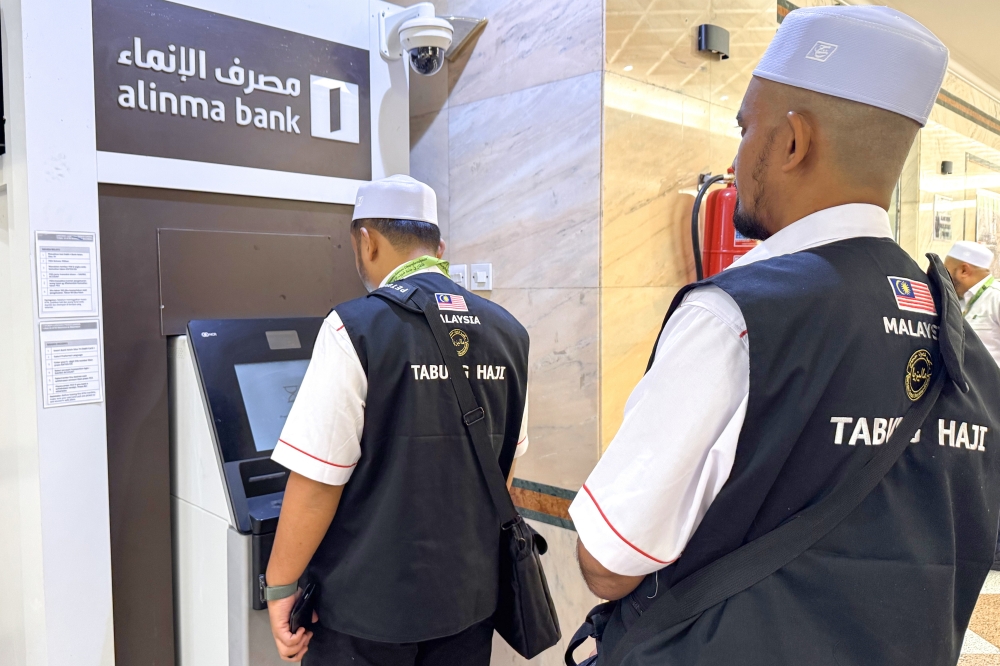
The RCI Fallout: What the Tabung Haji Report Teaches Us About SME Survival
The Royal Commission of Inquiry (RCI) report on Tabung Haji (TH) dropped last night, and it reads like a cautionary tale for any business owner who relies on gut feel over data. TH paid out RM2.75 billion in hibah in 2017 that it couldn’t support, engaged in what the report calls “creative accounting” for four years, and faced a massive bank run in 2019. Why should a business owner with 10 employees care? Because the same pattern of financial blindness happens in small and medium enterprises every day—it just doesn’t make the national news. Let’s break down what the RCI found and what it means for your business.
What Happened
The RCI report outlined a severe breakdown in governance and financial reporting at Tabung Haji between 2014 and 2017. The commission specifically stated that TH should not have declared a 4.50 per cent annual profit distribution (hibah) and a 1.75 per cent hajj hibah for the 2017 financial year, as the fund lacked the financial capacity to pay them. This totalled RM2.75 billion in distributions that depleted the institution’s reserves.
According to the report, TH’s management engaged in “creative accounting practices” to enable this high hibah declaration. The National Audit Department (NAD) also came under fire for issuing unqualified audit opinions during this period, failing to raise red flags about the non-compliance issues. The RCI found that the generous hibah payments before 2018 were a primary factor in the fund’s subsequent financial crisis.
This risky strategy led directly to a loss of confidence. In 2019, when TH announced a significantly lower hibah of just 1.25 per cent, depositors pulled their money out in droves. The RCI report notes that TH’s deposits contracted from about RM73 billion to RM69 billion by the end of 2019. “TH was fortunate that the withdrawals, and their impact, were smaller than feared,” the commission stated.
Why This Matters for Malaysian SMEs
You might look at the RM73 billion figure and think this has nothing to do with your hardware shop or F&B outlet. But look closer. The core problem at TH wasn’t the amount of money—it was the lack of real-time, transparent financial data. The RCI specifically called out the “creative accounting” that hid the true financial picture from decision-makers. As an SME owner, you do not have an RCI to investigate your company when things go wrong. If your books are wrong, you only find out when your account goes into the red, your supplier stops delivering, or your tax audit goes sideways.
Most SMEs in Malaysia still run their finances on a mix of manual spreadsheets, siloed POS systems, and bank statements reviewed once a month. This is a breeding ground for unintentional “creative accounting.” When your sales data lives in one notebook and your expenses in another bank account, it is easy to overstate your cash position. You end up making decisions—like hiring staff or buying inventory—based on a financial picture that doesn’t truly exist. This is exactly how TH depleted its reserves. They paid out high hibah based on accounting assumptions, not actual cash flow.
The “bank run” at TH also provides a stark lesson in how quickly confidence can evaporate. For TH, it was depositors withdrawing RM4 billion. For your SME, it could be a key employee quitting because they sensed instability, a landlord refusing to renew a lease, or a customer cancelling a large order because your delivery was late. These are your “withdrawals.” When your financial health isn’t transparently managed and automated, you are vulnerable to these micro-bank runs. Customers, suppliers, and staff can sense when a business is being run on gut feel rather than data.
The Bigger Picture
The RCI report on Tabung Haji is ultimately a story about the failure of data integrity. An institution that could have been a model of Islamic finance was brought to its knees by a lack of automated checks and balances. The Auditor General and the audit department failed to see the real numbers because the systems allowed for manipulation and opacity.
“These high hibah payments attracted depositors seeking higher returns. In meeting those expectations, TH drifted from the objectives for which it was established.” – RCI Report on Tabung Haji
This quote is a warning to every SME owner. When you start chasing revenue numbers without the verification systems to confirm profitability, you drift from your core value proposition. The promise of business automation is that it removes the “creative” from the equation. Real-time dashboards, automated bookkeeping, and integrated inventory systems prevent the structural blindness that brought TH to the brink. For your SME, automation is not just about “going digital”—it is about building a firewall against financial fiction.
Key Lessons from the TH RCI Report for Your Business
| TH’s Pitfall (from the RCI) | Your SME’s Risk | How Automation Defends You |
|---|---|---|
| Creative accounting hid losses for years | Manual spreadsheets hide cash flow gaps | Automated accounting with real-time bank feeds |
| Over-promised hibah to attract deposits | Over-promising delivery timelines to win sales | CRM automation tracks realistic capacity |
| Reserves depleted by undisciplined payouts | Recurring subscriptions or manual expenses drain profits | Automated expense categorization and alerts |
| Mass withdrawals when trust broke | Customers churn when service slips | Automated feedback loops maintain engagement |
The RCI didn’t just criticize TH; it exposed the fragility of any system built on manual data and unchecked assumptions. For your SME, you are the system. You are the audit committee. You are the board. The wake-up call should come from your dashboards, not from an unexpected crisis. The lesson of the TH RCI report is clear: your financial data is only as reliable as the system that produces it. Make sure your system tells the truth.
Ready to Streamline Your Operations?
Technology moves fast. Your operations should keep up. AutoRunBiz builds AI systems that run your daily workflows — from WhatsApp order capture to accounting. Book a free 15-min ops audit →