
What Tesla’s Robotaxi Slowdown Teaches You About Automation
You’ve invested in an online ordering system, but it’s not handling the load during peak season. Or you’re considering automated inventory management to cut errors. When a giant like Tesla struggles with automation, it’s a signal to pay attention.
In July 2026, Tesla reported that its robotaxi service drove fewer miles for paying customers in the second quarter than the first – a 36% decline from 1.1 million miles to 700,000 miles (source). This isn’t just a story about cars. It’s about the gap between intention and execution in automation.
For Malaysian SMEs, this gap is where opportunities and risks lie. Let’s break down what Tesla’s experience means for you.
TL;DR
Tesla’s robotaxi miles declined by 36% quarter-over-quarter. The company admits it needs more data before scaling. This shows that automation promises often overlook real-world implementation hurdles. For Malaysian SMEs, it’s a reminder to validate tech before going all-in.
What This Means
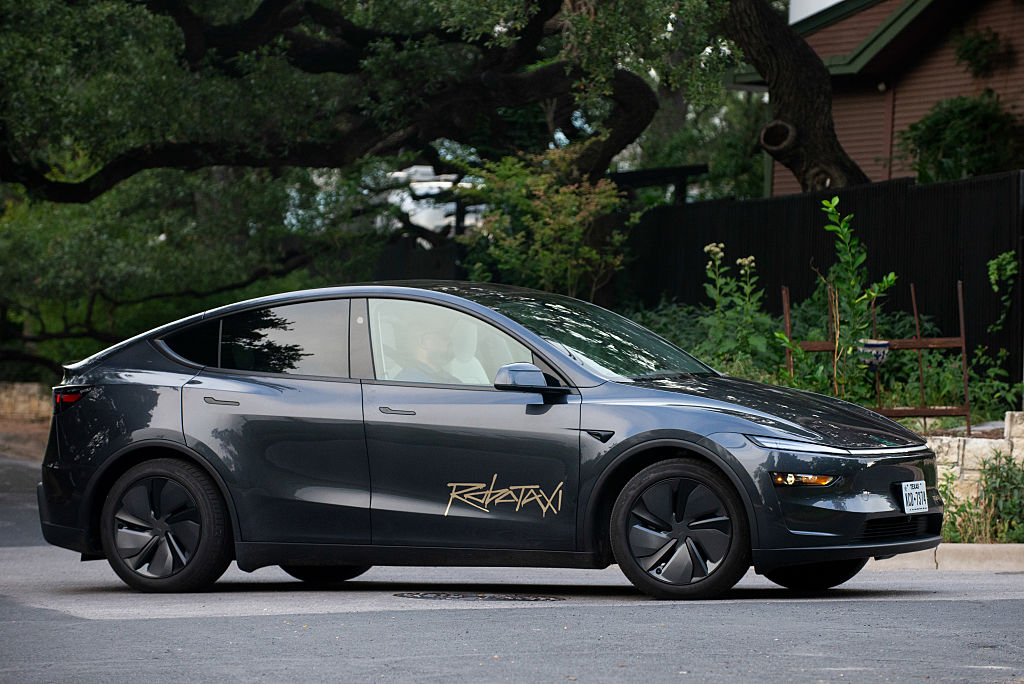
Tesla is building a fleet of self-driving taxis, called Robotaxis, using its Model Y SUVs and eventually, a dedicated Cybercab. But in the second quarter of 2026, the paid miles dropped significantly (source). This happened even as Tesla expanded to more cities.
On a conference call, Elon Musk said the company needs to “accumulate driving data that is specific to the Cybercab” before scaling (source). This contradicts earlier claims that Tesla’s millions of customer cars were already collecting data for robotaxis. It also shows that even for a leader, autonomy is harder than advertised.
Tesla reported 22 crashes in its robotaxi service in the past year, though most were minor incidents like hitting curbs or utility poles (source). The company also claimed zero notable incidents in over 380,000 unsupervised miles (source).
Musk also noted that any accident could lead to worldwide headlines and regulatory backlash (source). This highlights the high stakes in automation deployment.
How This Applies to Malaysian SMEs
In Malaysia, SMEs are often early adopters of automation tools – from accounting software to inventory management. But Tesla’s experience offers direct lessons.
1. Data relevance matters. Tesla found that data from its Model Y fleet didn’t directly translate to the Cybercab. If you’re using data from one business process to automate another, ensure it’s relevant. For example, if you’re a Malaysian retailer using online shopping data to optimize your physical store stock, you might overlook in-store behavior. Similarly, a logistics SME using truck GPS data to automate delivery routes might need different data for last-mile motorcycles.
2. Scale gradually. Tesla expanded to six cities but still saw a decline in miles (source). For your SME, growth needs to be matched with capability. Whether it’s adding a new product line or adopting new software, test in a limited environment first. Don’t rush full deployment.
3. Handle failures openly. Musk admitted the need for more data. In Malaysia, customers value honesty. If your automated system has a glitch, communicate it promptly. Building trust is easier than repairing it.
4. Compliance is key. Tesla worried about regulatory crackdowns over accidents. In Malaysia, the Personal Data Protection Act applies to many automation tools. Ensure your vendors and processes comply with local laws. For example, if you use automated customer analytics, ensure data handling is PDPA-compliant.
5. Reputation risk is real. Musk said that injuring even one person would be “worldwide headline news” (source). For your SME, a major service failure can damage your brand. Implement quality checks and customer feedback loops.
Practical Takeaways for Your Business
- Pilot before full rollout: Start with a small, controlled implementation. Test for at least a month.
- Ensure data relevance: Audit your data sources. Are they specific to the automated process?
- Plan for setbacks: Have a manual backup ready if automation fails.
- Focus on user experience: Automation should make life easier for your team and customers.
- Stay updated: Follow industry reports like this to anticipate challenges.
The Bigger Picture
Tesla’s robotaxi slowdown is a microcosm of the automation industry. Technology often promises revolution but delivers slow, iterative progress. For Malaysian SMEs, the takeaway is clear: adopt automation strategically, not strategically.
Long-term, automation will transform business, but it will be a journey, not a leap. Focus on integrating tools that solve specific problems, and build a culture of gradual improvement. In Malaysia, where infrastructure and regulations are evolving, patience and pragmatism will serve you better than hype.
Consider the example of Malaysia’s digital transformation initiatives. SMEs that adopt technology at a measured pace often see better integration and employee adoption. Use Tesla’s experience as a guidepost, not a roadmap.
“We do need to be cautious about causing any accidents or causing any harm to anyone.” – Elon Musk, on Tesla’s approach to robotaxi safety (source).
Key Numbers from Tesla’s Robotaxi Report
| Metric | Q1 2026 | Q2 2026 |
|---|---|---|
| Paid robotaxi miles (Model Y fleet) | 1.1 million miles | 700,000 miles |
| Quarter-over-quarter change | – | -36% |
| Cities with service | Multiple | 6 cities |
| Crashes reported since launch | 22 | 22 |
Ready to Streamline Your Operations?
Your business should run itself. AutoRunBiz deploys AI agents to automate your daily operations — WhatsApp orders, invoicing, customer follow-ups, and accounting. Book a free 15-min ops audit to see where automation fits your business →