
Your Banner Just Got Banned? What That Terengganu Blunder Means for Your SME
TL;DR: A recent incident in Terengganu saw advertising banners pulled down because the final printed content didn’t match what was initially approved. For Malaysian SMEs, this highlights a critical risk: uncontrolled marketing material can lead to wasted investment and bad press. Automating your content approval workflow can prevent these headaches before they hit the streets.
Imagine seeing your company’s new banner up at a busy intersection. Then your phone rings with a complaint. Then another. Then you get the call telling you it has to come down. That exact scenario played out in Terengganu over the weekend, and it holds a hard lesson for every SME owner who outsources or approves marketing material.
What Actually Happened in Terengganu?
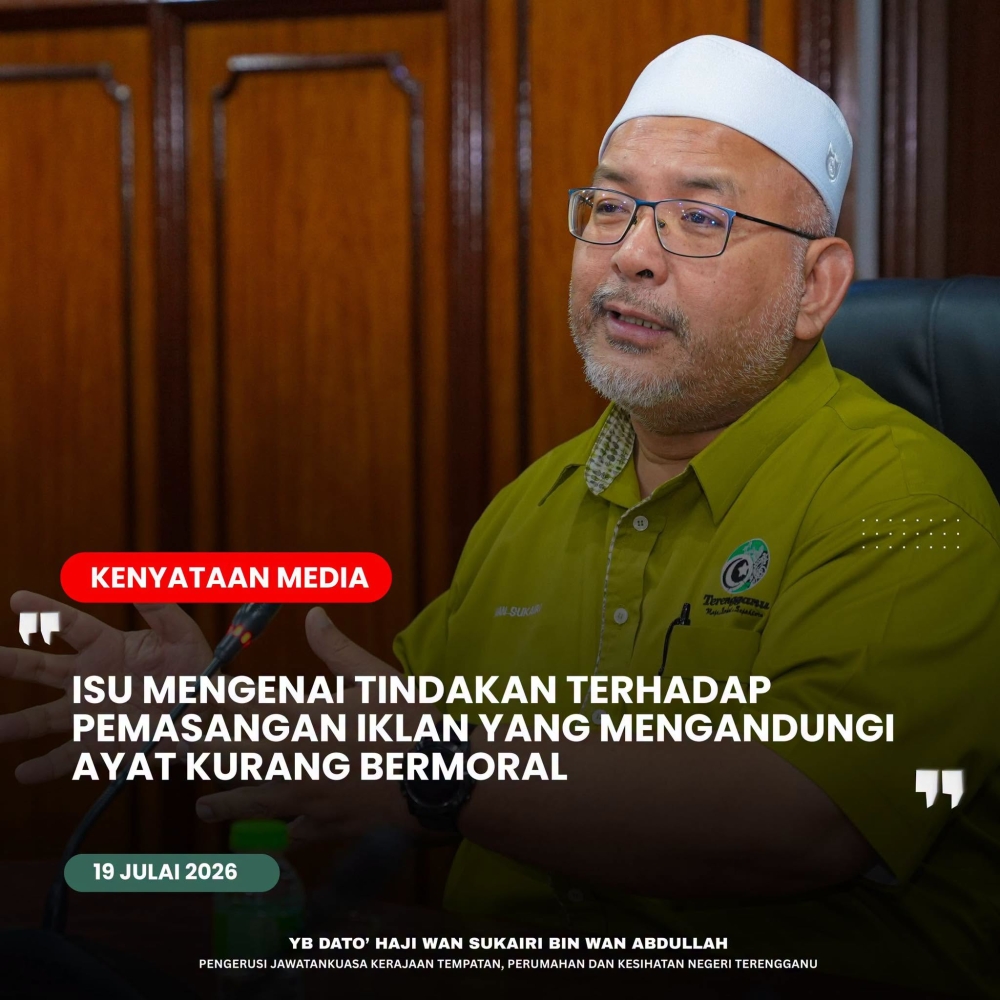
Over the weekend, banners went up in public spots around Kuala Terengganu. By the next day, they were viral for the wrong reasons. Terengganu Local Government, Housing and Health Committee chairman Datuk Wan Sukairi Wan Abdullah confirmed that while the permit was approved based on the materials submitted, the displayed content had been altered. Complaints from the public rolled in, and the Kuala Terengganu City Council (MBKT) ordered the banners removed immediately.
“The state government views this matter seriously, and MBKT took immediate action after receiving the complaints.” – Datuk Wan Sukairi Wan Abdullah
The gap between what was approved on paper and what actually showed up on the street was big enough to cause real trouble. For an SME, that gap is dangerous.
Why This Should Worry You as a Business Owner
You might think this only applies to big banner ads or political statements. But the core problem—materials going out without a final, binding sign-off—happens in every business. Maybe a junior staffer tweaks the call-to-action on a Facebook ad without telling anyone. Maybe your regular printer gets a slightly outdated version of your logo. Maybe an employee writes a promotional caption that doesn’t match your brand voice.
It feels like a small miscommunication. But the fallout is real: wasted effort, a split brand image, or even complaints from customers. The Terengganu case is just a public example of a private struggle we call approval disconnection. The person who submitted the permit wasn’t the person who hung the banner. In your business, the person who approves the final draft might not be the person who hits “publish” on your ad account.
The Hidden Costs of Manual Marketing Approvals
When you rely on WhatsApp messages, email threads, and verbal confirmations, you create space for errors to slip through. Here is how manual processes typically put your SME at risk:
| Manual Process | The Risk to Your SME | Automated Fix |
|---|---|---|
| Emailing PDFs back and forth | Wrong file version gets printed or posted | Centralized file storage with version control |
| Voice note or verbal approval | No paper trail. Hard to track who approved what | Digital approval workflows with audit trails |
| Single person checks final output | One set of eyes misses a critical mistake | Multi-step approval checklists built into the system |
| No central library for brand assets | Staff grab old logos, wrong fonts, or outdated taglines | Digital Asset Management (DAM) with locked templates |
In the Terengganu situation, the content was changed after the permit was approved. In your business, the same thing can happen when an unapproved edit gets introduced late in the process.
The Bigger Picture: Process as Protection
This isn’t just about following rules set by a local council. It’s about respecting your own internal standards. The council had to step in because someone bypassed the approval process. For your business, the best person to control the message is you and your team, before it hits the public.
As your business grows, manual handoffs become liabilities. The question isn’t “will a mistake happen?” but “when it happens, will we catch it before it costs us time or reputation?” Automation isn’t just about speed; it’s about consistency and accountability.
Book a free 15-min call to see how automated approvals apply to your business →