
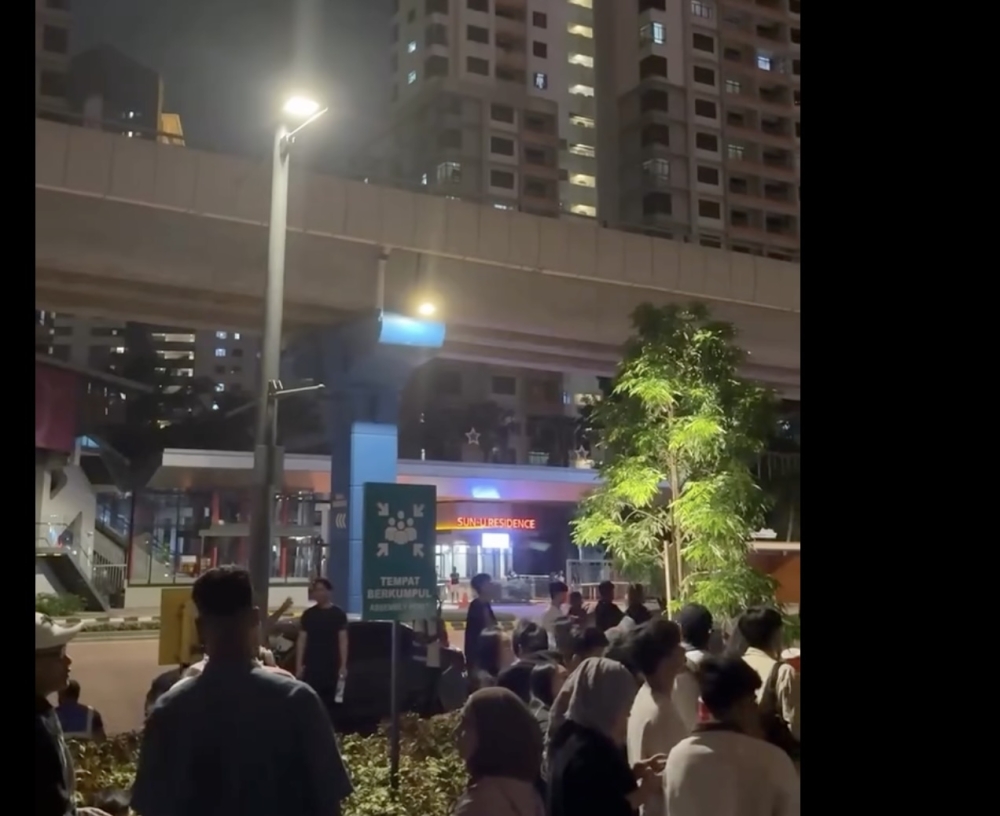
When a Fire Happens at 1.23am, Your Business Has No Manager On Site
Close your eyes for a second. You’ve just locked up your restaurant. The last staff member left at midnight. You’re halfway home when your phone buzzes — a fire is tearing through your kitchen. That isn’t a hypothetical. On 2 August 2026, a fire broke out at a restaurant in Sunway Square Mall at 1.23am. The Selangor Fire and Rescue Department received the call, but by the time the first engine arrived five minutes later, the blaze had already been put out. Source
Five minutes. That’s how quickly the entire story could have flipped. The fire was confined to the cooking hood, no injuries were reported, and there was no mall-wide evacuation drama. But read the details carefully: soot-covered ducting, stainless-steel counters, eight fire personnel deployed, plus a fire engine and a water tanker. Source And the cause? Still under investigation.
If you run a restaurant, cafe, bakery, or any business in Malaysia with a commercial kitchen, this isn’t a piece of local news. It’s a drill for your own premises.
TL;DR: A small kitchen fire at Sunway Square Mall was contained before firefighters arrived. It happened at 1.23am — when no staff or manager was present. For Malaysian SME owners, especially F&B operators, this is a wake-up call about grease, closing-time routines, and automated monitoring. The damage was minor. Next time, it might not be.
What This Means
Let’s strip the news down to its parts. At 1.23am, a fire broke out in a restaurant cooking hood at Sunway Square Mall. The Selangor Fire and Rescue Department received the emergency call and dispatched a team from the Subang Jaya station. When the first engine arrived five minutes later, the blaze had already been quelled. Firefighters then conducted overhaul work — checking for hidden hotspots — and inspected the premises to ensure no risk remained. No injuries were reported. Source
Here’s what every Malaysian SME owner should hold on to: the fire was confined to the cooking hood and ducting. In commercial kitchens, that’s exactly where grease accumulates over months of cooking. A cooking hood fire is one of the most common types of fires in food businesses, because grease is highly flammable and it silently builds up in places nobody looks at during a busy dinner service.
The fact the blaze was put out before BOMBA arrived tells you something went right — either an on-site suppression system kicked in, someone was still around to act, or the fire simply didn’t have enough fuel to spread. Don’t bet on the third option.
“The difference between a bad night and a closed business is often decided in the five minutes before help arrives — and whether your systems did their job while you weren’t there.”
How This Applies to Malaysian SMEs
1. If you’re in F&B, your extraction hood is your top risk. The soot-covered hood and ducting visible in the Sunway Square photos are what months of cooking look like — even in a well-run mall restaurant. In Malaysia, hawker stalls, family-run restaurants, and trendy cafes in converted shoplots often treat hood cleaning as an “when someone remembers” task. But grease build-up doesn’t care about your busy season. A hood fire that starts at 1.23am won’t wait for your operations manager to clock in. BOMBA’s official portal regularly reflects the department’s role in commercial and structural fire response across the country, and every business premise should align its safety practices with their guidelines.
2. Your closing routine is a safety system, not a chore. The fire happened after the mall had essentially closed for the night. In most SMEs, the last staff member out does the “visual check” — look around, switch off what they remember, lock up. But humans get tired at midnight. They’re thinking about their ride home. This is where automation enters your daily operations. A digital closing checklist on a tablet — one that forces a photo of every appliance switched off — or a smart plug that cuts power to non-essential equipment at a set time. These aren’t fancy tech luxuries. They’re the equivalent of a night-shift safety officer who never gets tired. Timing mattered here — the emergency call came in at 1.23am and engines arrived five minutes later, but the damage was already contained. Your job is to build a system where “contained” isn’t luck.
3. Early detection buys you the five minutes that matter. BOMBA received the call at 1.23am and arrived at 1.28am. Eight personnel, a fire engine and a water tanker were deployed. But for an SME kitchen, the real question is: who called them, and how quickly did you know? In Malaysia, many commercial kitchens still rely on smoke detectors that make noise only when someone is around to hear them. An automated monitoring setup — a smoke and heat sensor paired with an app that alerts you and your designated emergency contact immediately — turns a potential disaster into a contained incident. This is exactly the kind of automation an SME owner can implement without a large IT team.
4. You can’t be everywhere — so build a business that doesn’t need you at 1.23am. A fire at that hour means the premises was essentially unattended. For SMEs, this is the deeper point about business continuity. When you’re not present, what still runs? Your alarms. Your sensors. Your data backups. Your emergency contact tree. The recovery plan — from contacting BOMBA to notifying your landlord — should be documented and automated, not stored in your head. An SME that depends on one person’s memory is a fragile SME.
What the Sunway Square timeline teaches us
| Timeline detail | What it means for your SME |
|---|---|
| Call received at 1.23am Source | Disasters happen when nobody’s watching. Your systems must be. |
| First engine arrived in 5 minutes Source | BOMBA does their part fast. The first five minutes are yours alone. |
| 8 personnel + fire engine + water tanker deployed Source | Even a “small” fire consumes public resources. Don’t be a repeat customer. |
| Fire confined to cooking hood Source | Grease and ducting are the fuel. Cleaning and suppression target exactly this zone. |
| No injuries reported Source | A lucky night. But the ongoing investigation proves the cause always matters. |
Practical Takeaways: Your Fire-Readiness Checklist
- Schedule extraction hood and duct cleaning at least every three months for heavy-use kitchens — and put it in your calendar with automated reminders.
- Install a kitchen fire suppression system, and test it monthly. Monthly, not “when you remember.”
- Replace the verbal “close up” routine with a digital closing checklist that logs timestamps and photo evidence.
- Put smart smoke and heat sensors in your kitchen and storeroom that push alerts to your phone and your staff’s phones.
- Document a one-page emergency plan: who you call, what you grab, and where your digital records are backed up off-site.
- Check your fire extinguishers monthly and train every staff member — including part-timers — on how to use one.
The Bigger Picture
The Sunway Square Mall fire was minor. No one was hurt, and the mall suffered no major structural damage. But the lessons rippling out from a 1.23am kitchen fire have a long tail for Malaysian SMEs.
Malaysia’s commercial landscape is getting busier and more complex: gas lines, extraction systems, delivery-rush cooking, late-night operating hours. The F&B sector is a major engine of SME employment, and with growth comes risk. BOMBA’s official portal shows the department responding to commercial and structural fires nationwide — evidence that no business is too small to be a statistic. You can’t control what a fire investigator finds in someone else’s mall. You can control the systems you run in your own premises.
Long-term, automation is shifting from a growth tool to a survival tool. If your business can alert you to an equipment failure before it becomes a fire, a gas leak before it becomes a hazard, or an intruder before your shelves are emptied, you’ve turned technology into a night-shift manager you never have to pay overtime to. The SME owners in Malaysia who will still be operating a decade from now are the ones who stop relying on memory, luck, and the kindness of someone being awake at 1.23am.
You got lucky today because it was someone else’s kitchen. Make sure it isn’t your kitchen soon.
Ready to Streamline Your Operations?
Your business should run itself. AutoRunBiz deploys AI agents to automate your daily operations — WhatsApp orders, invoicing, customer follow-ups, and accounting. Book a free 15-min ops audit to see where automation fits your business →