
Your Business Environment Just Got a Little More Uncertain
If you’re running a Small or Medium Enterprise (SME) in Malaysia, you’re no stranger to uncertainty. From market fluctuations to policy changes, you’ve built resilience. But when state governments like Penang and Kedah lock horns over historical payments, it can feel like another layer of unpredictability—one that might affect your business operations, contracts, and planning horizons.
The latest episode in the Penang-Kedah lease dispute might seem like political theatre, but for entrepreneurs, it’s a reminder that economic stability at the state level directly impacts your business environment. Here’s what you need to understand, and how you can keep your SME steady through this noise.
TL;DR: Penang and Kedah are entangled in a dispute over annual lease payments, with Kedah demanding a higher amount. Penang is waiting for a formal claim before responding. For SMEs, this means potential delays in state investments and legal uncertainties. Stay informed, review any state-linked contracts, and focus on diversifying your business risks.
What This Means
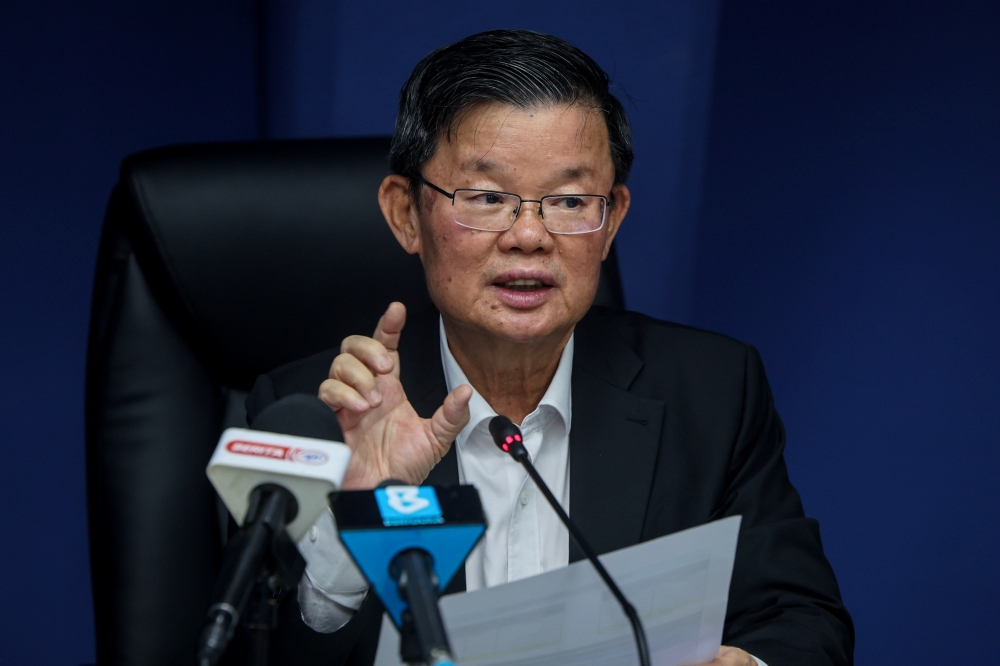
The dispute centres on payments made by the federal government to Kedah for Penang’s lease, dating back to the 1786 cession agreement. Currently, Kedah receives RM10 million annually, but it’s seeking RM100 million under Article 167 of the Federal Constitution. Penang Chief Minister Chow Kon Yeow stated that the state will respond only after a formal claim is submitted, indicating a procedural standoff.
This isn’t just about legalities. It’s about how federal-state financial relations can create ripples. For SMEs, this kind of tension can lead to delayed projects, changes in procurement plans, or shifts in economic focus between states.
“This dispute highlights the need for clarity in federal-state financial arrangements, which is essential for business planning. SMEs are often the first to feel the pinch of uncertainty.”
| Payment Aspect | Current Value | Claimed Value |
|---|---|---|
| Annual Lease Payment to Kedah | RM10 million | RM100 million |
| Basis of Payment | Historical cession agreements | Article 167 of Federal Constitution |
How This Applies to Malaysian SMEs
This dispute directly affects businesses operating in or with ties to Penang and Kedah. If you’re an SME in Penang, you might wonder about the long-term stability of state revenues, which can influence infrastructure projects, tourism incentives, and local spending. Conversely, Kedah businesses might anticipate an infusion of funds if the claim is successful, potentially boosting public works and consumption.
For example, SMEs in construction or supply chain sectors should watch how state budgets are affected. A resolution or escalation could alter government contracts. Additionally, if the dispute leads to legal precedents, it might impact other federal-state arrangements, such as those in Sabah and Sarawak.
Moreover, this situation highlights the importance of understanding your business’s exposure to state-level policies. If you have contracts with state agencies, or if your customer base is concentrated in certain areas, you need to be aware of these dynamics.
Consider the tourism sector in Penang. If state budgets are reassigned due to the dispute, marketing campaigns might slow down, affecting your visitor numbers. Similarly, in Kedah, farmers and agri-businesses might benefit from increased state investment in irrigation if the payment claim succeeds.
Another angle is regulatory consistency. If the dispute drags on, it might distract state governments from local business regulations, leading to delays in approvals or changes in enforcement. For SMEs, this can mean prolonged waiting periods for licenses or permits.
Practical Takeaways
- Monitor developments in state lease disputes, as they can signal changes in business conditions.
- Review contracts involving state governments for any clauses that might be affected by such negotiations.
- Diversify your client base to reduce dependency on state-specific projects.
- Engage with business associations for collective advocacy on stability issues.
- Consider how state finances can affect local demand and supply chains.
- Build operational flexibility through automation to adapt quickly to policy shifts.
The Bigger Picture
Long-term, this dispute reflects a growing trend of states asserting their rights under the Federal Constitution. For SMEs, this could mean more volatility in state-level policies. However, it also presents opportunities for businesses that can adapt quickly to changing environments.
Automation and process optimization can help you stay agile regardless of political shifts. By reducing manual dependencies, you can pivot your operations as needed. For instance, if a state changes its procurement rules, an automated system can help you comply faster.
In the grand scheme, this dispute is a test case for how Malaysia handles historical obligations. The outcome could influence other similar claims, potentially reshaping the economic landscape. As an SME owner, your best bet is to focus on what you can control—your efficiency, your team, and your responsiveness to change.
Stay informed, but don’t let uncertainty paralyze you. Use this as an opportunity to strengthen your business core.
Ready to Streamline Your Operations?
Your business should run itself. AutoRunBiz deploys AI agents to automate your daily operations — WhatsApp orders, invoicing, customer follow-ups, and accounting. Book a free 15-min ops audit to see where automation fits your business →