
When Your “AI Persona” Isn’t the Problem — But the Identity Is
Picture this: you’ve spent weeks building a polished social media presence for your business. You have a sleek AI-generated spokesperson, perfectly scripted video testimonials, and a feed full of content that took you ten minutes to produce. Then, one day, the platform quietly starts pushing your content to the bottom of everyone’s feed. No warning. No appeal. Just a slow, silent fade into irrelevance.
That’s exactly what’s about to happen to thousands of AI-generated music artists on Spotify. And while you don’t run a record label, the message should hit home for every Malaysian SME owner who uses artificial intelligence to create content, represent your brand, or communicate with customers.
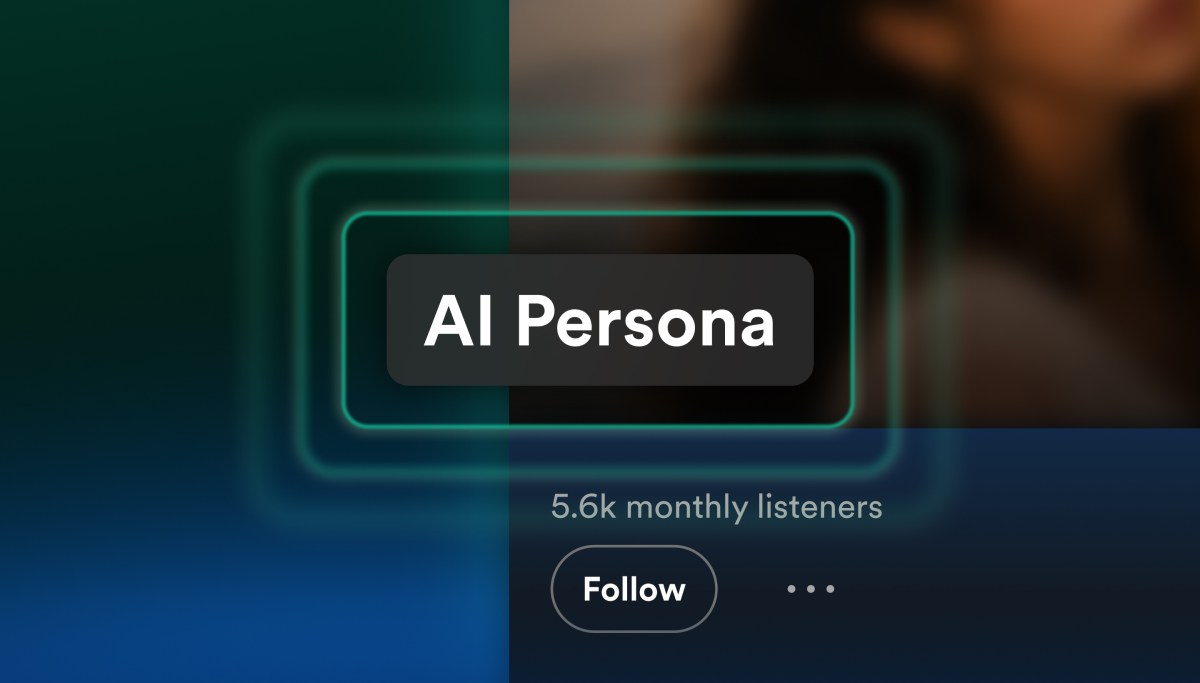
Spotify announced it will start labelling “AI Persona” profiles — artists whose public identity is AI-generated rather than a real human — and exclude their music from editorial and algorithmic recommendations. This is not about banning AI-made music. It’s about drawing a clear line between using AI as a tool and pretending an AI is a real person. For Malaysian business owners, that line could become the difference between building a trusted brand and disappearing from your customers’ feeds entirely.
TL;DR
- Spotify will badge AI-generated artist profiles as “AI Persona” and exclude them from recommendations by default.
- Only explicit user actions — like following an artist — will let AI Persona music appear in recommendation feeds.
- For Malaysian SMEs, the lesson is simple: use AI to work faster, but never present AI as a human. Authenticity is becoming a platform-level filter, not just a marketing preference.
What This Means
Let’s break down what Spotify actually announced. Starting August 11, 2026, artists can self-disclose that their profile represents an AI Persona through Spotify for Artists. The badges will appear in mid-September on artist profiles, in Search, and on track rows across playlists.
Spotify isn’t relying on honesty alone. It will also review artist profiles to identify photorealistic AI-generated identities, starting with accounts that have met “pre-defined audience thresholds” — meaning the most-listened-to AI artists get flagged first. Once a profile is labelled, Spotify won’t include that artist’s music in editorial playlists, algorithmic recommendations, or personalised feeds. Users who genuinely want to hear that music can still follow the artist, and only then will it show up. There’s also an appeal process for artists who believe the label was applied incorrectly.
The important nuance: this badge is about the artist’s public identity, not how the music was made. Spotify explicitly said, “This badge is about the artist’s public identity, not about how the music was made.” So a real human who uses AI tools to make music is treated completely differently from a fake human who is entirely AI. That distinction matters.
“While we believe all artists have creative choice in determining how they present themselves, Spotify’s programming is focused on elevating music from authentic artists building careers in music.”
How This Applies to Malaysian SMEs
Think about how many Malaysian businesses have jumped on the AI avatar trend. Online stores use AI-generated presenters to sell beauty products. Food brands create virtual influencers to review their own menus. Coaching businesses run entire customer acquisition funnels through AI-generated video hosts. It performs well initially because it’s cheap, scalable, and gives off a polished “professional” vibe. But Spotify’s policy exposes the risk underneath: platforms are starting to treat synthetic identities as a liability, not a feature.
For your business, the question isn’t “Is my AI avatar good enough?” — it’s “What happens when the platform decides my avatar isn’t human?” Spotify is the first major platform to make this explicit, but the same logic will likely spread to YouTube, TikTok, Instagram, and even Google Search. If your entire brand identity is a fabricated human, you’re building your business on ground that can be reclassified at any moment. A better approach is to put a real person in front of your brand — even if that person is the SME owner themselves. Malaysian customers buy from people, not from polished personas. They want to see the owner’s face, hear their voice, and trust their name.
There’s another layer to this: local trust dynamics. In Malaysia, small business runs on relationships. Your customers might be aunties selling at the night market, property agents talking through WhatsApp, or restaurants answering the same questions every day in their Facebook comments. The moment your brand starts feeling like an AI-generated robot, you lose the personal connection that sets a small business apart from a giant e-commerce platform. Spotify’s move reinforces a growing consumer backlash against AI-generated art, and that backlash will hit businesses pretending to be human.
That doesn’t mean you should stop using AI. Far from it. Spotify itself uses AI heavily — it promotes AI DJ features, AI-powered playlist generation, and even AI remixes. The difference is that AI is the tool, not the identity. For your SME, that means using AI to draft captions, plan content calendars, respond to common customer queries, or even write product descriptions. But the person behind the brand — the marketer, the founder, the shop owner — remains clearly human. When you film a video, actually show yourself. When you write a post, share a real story that happened to you. AI can make the work easier, but the personality has to be yours.
Finally, consider what happens when customers discover your “human” wasn’t real. That moment of discovery destroys trust instantly. And in a small market like Malaysia, word spreads fast. A business that gets caught using a fake human persona will find itself on the receiving end of public ridicule. The transparency that Spotify is pushing gives you a better model: if you do use AI-generated content, label it clearly. If you use an AI avatar for a specific purpose, say so. But for your core brand presence, lead with actual humans.
Practical Takeaways for Your Business
- Audit your current content. If you’re using an AI-generated persona to represent your brand, replace it with a real person or clearly label it as AI.
- Stop producing “slop” — low-effort, high-volume content made easier by AI. Platforms are actively reducing the reach of this content and it damages your brand’s perception.
- Use AI for speed, not for identity. Drafting, editing, research, scheduling — these are all great uses. Your face, voice, and opinions should be human.
- Follow Spotify’s lead in your own marketing: disclose when content is AI-generated. Transparency is becoming a trust signal.
- Build a following directly with your audience — email lists, WhatsApp broadcast groups, and offline connections — so platform policy changes don’t destroy your reach overnight.
- Appeal when you’re treated unfairly. Just as Spotify artists can appeal their label, you can push back against platform mistakes. Don’t assume silence is acceptance.
Spotify’s AI Persona Policy at a Glance
| Policy Element | Details |
|---|---|
| Self-disclosure begins | August 11, 2026, via Spotify for Artists source |
| Label appearance | Mid-September 2026, on artist profiles, Search, and playlist track rows source |
| Manual review | Starts with profiles meeting pre-defined audience thresholds source |
| Default recommendations | AI Persona music excluded from editorial and algorithmic recommendations unless followed source |
| Appeal process | Artists can appeal if the label was incorrectly applied source |
| User reporting tool | Coming in months ahead for users to flag unlabelled AI Personas source |
The Bigger Picture
Spotify’s decision is not an isolated policy change. It’s a sign that the internet is entering a new phase where authentic human identity carries measurable value. As AI-generated content gets harder to distinguish from human-made content, platforms are becoming the gatekeepers of trust. They have to be, because their users will leave if they feel overwhelmed by fake, low-quality materials.
This trend will only grow. Expect more platforms to introduce similar labels, demote synthetic content in recommendations, and give users the power to block or avoid AI personas. For Malaysian SMEs, this is good news in disguise. It means small, real businesses with genuine stories and passionate founders have an advantage over larger, faceless content farms. You don’t need celebrity-level production to beat AI slop. You just need to be visibly, unmistakably human.
The long-term winners will be the businesses that treat AI as a collaborator, not a disguise. They’ll use AI to write faster, edit better, and understand their customers more deeply. But they’ll present themselves honestly, with their own faces and their own names attached. When the platform algorithms start filtering for authenticity, those are the businesses that will still get recommended.
So before you spend another hour crafting the perfect AI-generated avatar, ask yourself one question: when your customers find out who you really are, will they still trust you? If you can’t answer that with confidence, start making your business genuinely human today.
Ready to Streamline Your Operations?
Your business should run itself. AutoRunBiz deploys AI agents to automate your daily operations — WhatsApp orders, invoicing, customer follow-ups, and accounting. Book a free 15-min ops audit to see where automation fits your business →