
Your Business Can Survive When a Platform You Depend On Vanishes
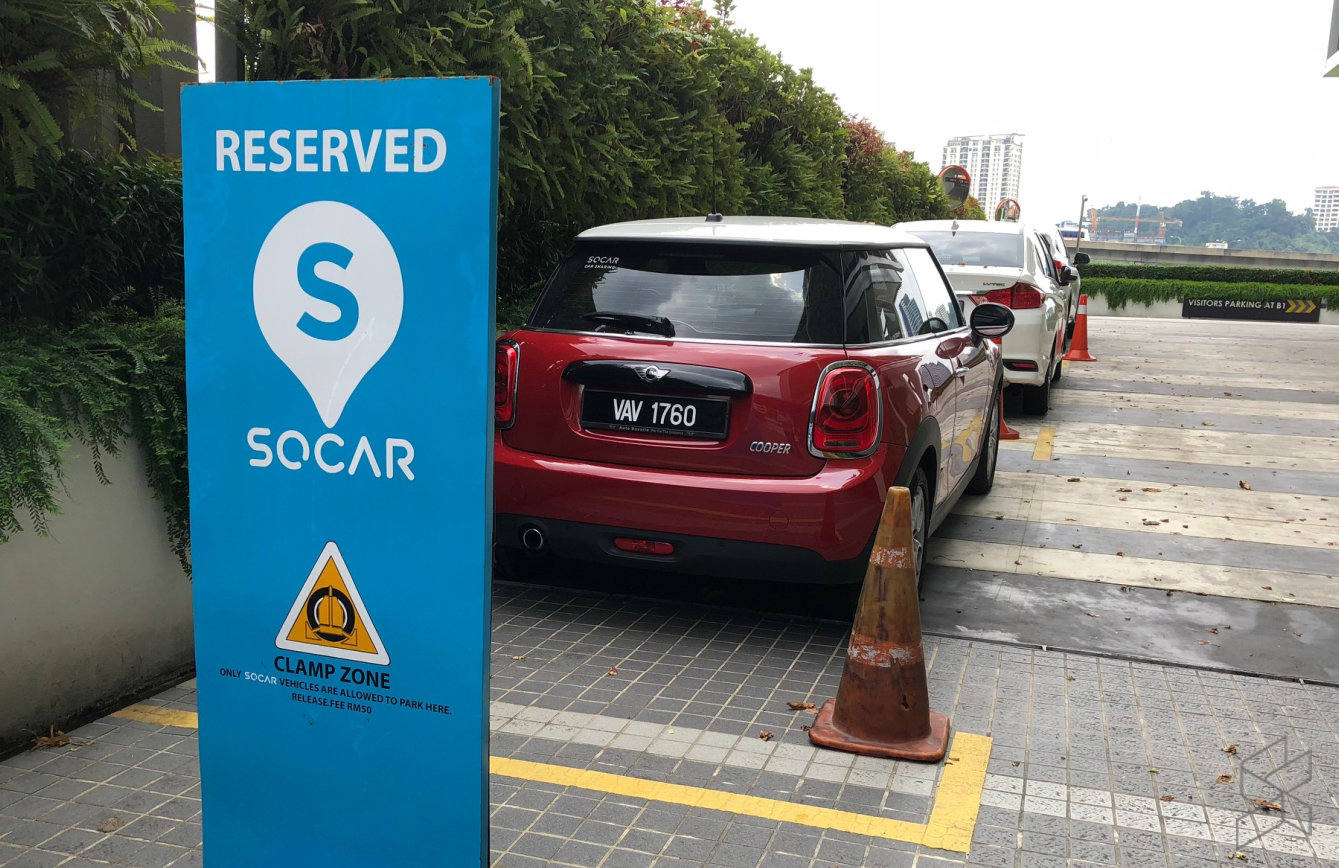
You wake up one morning and read that a service your team has been using for years is closing. That is exactly what happened to SOCAR users in Malaysia this week. SOCAR announced it will cease operations on August 31, 2026, after eight years in the car-sharing market. If you are an SME owner, your first thought might be, “Good thing I don’t use SOCAR.” But step back. The real question is: what other services do you depend on without a backup? This is not about one app. It is about how exposed your business becomes when you outsource critical parts of your operations to platforms that can disappear overnight.
The SoyaCincau report spreads a familiar anxiety. For eight years, SOCAR was there for flexible commuting, last-mile deliveries, and company errands. Now it is pulling out. The platform’s announcement did not spell out every reason, but the pattern is common in Malaysia’s tech landscape: platforms launch, grow quickly, then shut down when the economics stop working. Your business needs to absorb that reality without breaking.
TL;DR: SOCAR is shutting down after 8 years. This is a warning for Malaysian SMEs to audit every platform your operations rely on—transport, booking, communication, payments. Build redundancy before you need it. Do not assume any third-party service will be there forever.
What This Means
Platform dependency is not a technical term. It simply means your business uses another company’s service as a core part of how you work. You might use a ride-hailing app for deliveries, a scheduling tool for appointments, a cloud storage service for customer records, or a payment gateway for invoices. When that company shuts down, you lose more than a tool. You lose the processes you built around it, the training your staff invested in, and the confidence of your customers.
SOCAR’s shutdown is a concrete example. It had a fleet of cars across Malaysian cities, and local SMEs used them for ad-hoc logistics, staff travel, and client meetings. The platform’s exit means every business that relied on those cars must find alternatives within weeks. The lesson applies far beyond car-sharing. Think of any digital service you use daily. Would you know what to do tomorrow if it disappeared? That is the uncomfortable question this news forces you to answer.
The closure also signals something larger. The gig economy and on-demand services in Malaysia are maturing, but not all business models survive. When an established player with eight years of presence shuts down, it shows that market conditions can change quickly. Regulation, competition, and shifting consumer behavior all played a role. For you, the takeaway is not to panic. It is to prepare.
How This Applies to Malaysian SMEs
Let us be practical. You run a small business in Penang or Johor Bahru. You have a small fleet of vehicles, or maybe you rely on third-party services for your daily operations. SOCAR’s exit affects you directly if you used car-sharing for deliveries during peak hours. Many SMEs did exactly that because it was cheaper than owning more vehicles and because you could scale up during festive seasons without long-term commitments. Now that flexibility is gone. You need to ask yourself: do you have a second option for last-mile delivery? If your answer is no, you are one step away from a crisis.
Consider your entire workflow. You might use an online booking system, a payment gateway, and a ride-hailing app for your field staff. Each of these is another SOCAR waiting to happen. The key is to map out your dependencies. List every third-party platform you rely on, from accounting software to delivery apps. For each one, write down what you would do if the platform shut down in 30 days. If you cannot think of a clear answer, that platform is a risk. Some SMEs in Malaysia are already doing this after seeing brands like RedBus and Grab’s acquisitions change the landscape. The ones who survive are those who treat platforms as temporary solutions, not permanent infrastructure.
There is also a human element. Your staff remember how to do their jobs in a certain way. If a platform disappears, they have to learn a new system under time pressure. That is stressful and slows down your operations. For example, if your sales team relies on a specific route-planning app built into your car-sharing subscription, they now need to switch to something else. The disruption is not just technical. It is emotional. Your team loses confidence in your ability to lead them through change. Show them you have a plan. When you communicate proactively, they stay focused, and your business keeps moving.
Finally, think about your customers. They do not care about your internal platform dependencies. They care about receiving their order on time. If a transport service shuts down and you cannot deliver, your customer does not blame SOCAR. They blame you. That is why every Malaysian SME should treat this news as a trial run for a bigger threat. The next shutdown could be a payment gateway you use to collect monthly retainers. The time to prepare is now, not when the announcement hits.
Practical Takeaways
- Audit your platform dependencies this week. List every third-party service your business uses for daily operations.
- For each platform, identify one backup alternative. Free trials and competitor services are good starting points.
- Create a simple response plan for a 30-day shutdown scenario. Who does what, and how you keep serving customers.
- Talk to your team about the risk. Make them aware that platforms can change, and train them on at least one alternative.
- Check your contracts and data. If a platform shuts down, can you export your customer records, invoices, and history?
- Build flexibility into your operations. Prefer tools that allow easy switching over tools that lock you in.
The Bigger Picture
SOCAR’s exit is not the first and will not be the last. Malaysian SMEs are operating in an environment where digital services are evolving faster than the businesses that use them. Some platforms grow into giants; others quietly close their doors. The ones that survive share a common trait: they are not emotionally attached to any single tool. They treat every platform as a temporary building block. This mindset shift is exactly what the next ten years of Malaysian business will demand.
Think about what happened with ride-hailing, food delivery, and e-commerce in the last decade. New players enter, consolidate, or vanish. Your business needs to be resilient to that churn. The good news is that resilience is not expensive. It is simply a habit of reviewing your dependencies regularly. Set a reminder every quarter to ask yourself: if this service disappeared tomorrow, what would I do? The answers will sharpen your decision-making and protect your business from surprises that you cannot control.
“The most dangerous assumption in business is that the tools you rely on today will exist tomorrow. SOCAR is just a reminder. Build systems that depend on your strategy, not on any single vendor.”
| Key Fact | Detail |
|---|---|
| Duration of SOCAR in Malaysia | 8 years (announced in this report) |
| Announcement date | August 15, 2026 |
| Planned shutdown date | August 31, 2026 |
| Advance notice given to users | Approximately 2 weeks |
That table tells the real story. Fourteen days of notice is not enough for any business to switch logistics, retrain staff, and find new suppliers. Imagine if your main delivery platform gave you just two weeks. How many orders would you miss? That question is why you need to act now. Start with one platform. Audit it. Find a backup. Then move to the next. By the time the next shutdown comes, you will be ready, and your business will not just survive. It will keep serving customers like nothing happened.
Ready to Streamline Your Operations?
Your business should run itself. AutoRunBiz deploys AI agents to automate your daily operations — WhatsApp orders, invoicing, customer follow-ups, and accounting. Book a free 15-min ops audit to see where automation fits your business →