
Why a US Tech Conference Should Shape How You Run Your SME
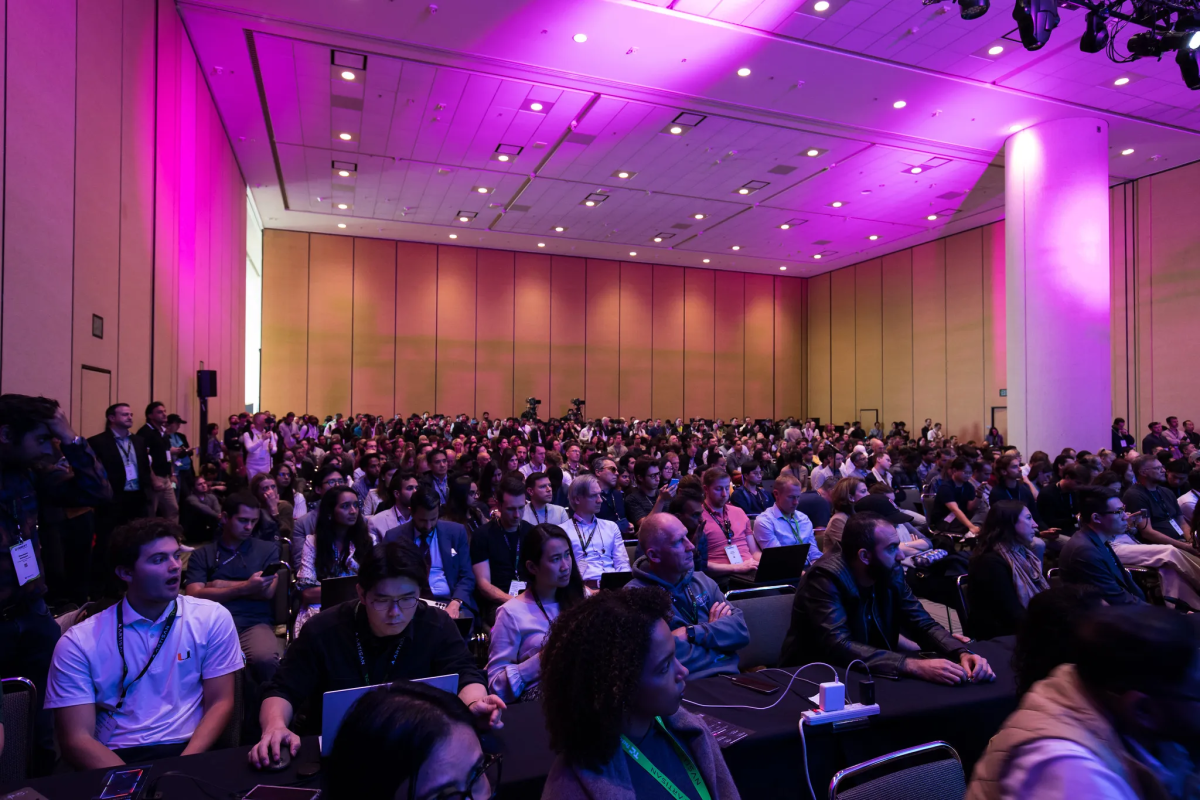
Another tech conference announcement, another wave of headlines, another countdown clock. TechCrunch Disrupt 2026 is happening October 13–15 at Moscone West in San Francisco, and the usual registration season is in full swing. If you run a small or medium business in Malaysia, it’s easy to scroll past. You’re thinking about stock levels, staff schedules, and the supplier who hasn’t replied — not about Silicon Valley events.
But here is what’s easy to miss: this announcement is about so much more than event logistics. The freshly revealed speaker lineup and stage topics tell you where technology is moving — what software vendors will offer, how payments will flow, and who will have an edge in the next few years. The real question isn’t “Should I fly to San Francisco?” It’s “What do these signals mean for my business?”
TL;DR: Disrupt 2026 points to five shifts that will affect Malaysian SMEs soon: AI security issues will reshape software offerings, stablecoins and instant payments are coming to cross-border trade, business owners will be able to build their own tools, AI’s energy demand will test system reliability, and the fundamentals of hiring and scaling still matter most. You can act on all of this without leaving Malaysia.
What This Means
TechCrunch Disrupt is one of the largest startup gatherings worldwide, bringing together more than 10,000 founders, investors, and builders according to the organisers. The 2026 edition is organised around five stages, each signalling a shift worth watching:
- The Disrupt Stage — the big conversations, including a post-smartphone future with Amazon’s devices chief, and a world where anyone can develop software with Replit’s CEO as announced in the initial lineup.
- The AI Stage — covering the security gaps and business model changes that AI is forcing on every software company.
- The Smart Money Stage — tackling stablecoins, instant payments, and AI’s role in financial trust.
- The Smart Systems Stage — looking at energy grid strain and fusion breakthroughs that will power AI’s next decade.
- The Builders Stage — the long-standing favourite where founders get tactical about raising, hiring, and scaling.
These stages describe the issues that will shape the business environment, not just for American tech companies, but for anyone who uses software, sends invoices, or hires talent.
How This Applies to Malaysian SMEs
1. The software you rely on is about to change. The AI Stage at Disrupt is focused on the security gaps created by AI and the way software companies must adapt. Every vendor you use — your accounting platform, CRM, inventory system — is adding AI features. That means two things for you. First, your data will be processed by AI models; you should ask each vendor how that data is handled and who controls it. Second, expect vendors to adjust their packages and offerings as AI gets folded into standard plans. Malaysian SMEs that ask these questions now will not be caught off guard when terms change later in the year.
2. Cross-border payments will look different. The Smart Money Stage covers stablecoins and instant payment systems. Malaysia is already a relatively advanced market, with DuitNow providing instant transfers across local banks. But for SMEs trading with Singapore, Indonesia, or China, or employing foreign workers who send remittances home, stablecoin-based settlement could change how invoices are paid outside banking hours. Bank Negara has been examining digital currency regulation, and the direction set at events like Disrupt tends to influence what financial institutions pilot next. Staying informed about stablecoin rules now means you’ll be ready when a supplier or customer asks to settle via one.
3. You can build tools without hiring a developer. One of the featured Disrupt conversations is with Replit’s CEO on a world where everyone can develop their own software in the opening keynote lineup. This is directly relevant to a Malaysian SME with a lean team. Instead of waiting for a consultant, your admin lead can use no-code platforms to build a purchase order tracker. Your sales team can automate follow-up messages. The barrier to software creation is dropping, and the businesses that let their staff experiment will be the ones running smoother operations.
4. AI’s appetite for energy will affect reliability. The Smart Systems Stage looks at grid strain and power demands from AI data centres. This sounds like an infrastructure concern until the cloud platform your business depends on has an outage, or a service you use becomes unstable during peak load. Practical defence for an SME is simple: keep manual backups of critical records, document your key processes outside your software, and know your contingency steps if a core tool goes down.
5. The fundamentals still win. The Builders Stage remains a favourite because raising, hiring, and scaling are perennial challenges according to TechCrunch. For Malaysian SMEs, this translates into documenting standard operating procedures, training staff to use AI tools responsibly, and making sure your senior people can focus on valuable work instead of repetitive tasks. The technology changes, but solid management does not.
“You don’t need to attend a conference in San Francisco to benefit from what’s being discussed there. You need to translate the signal into actions that suit your Malaysian reality.”
Practical Takeaways
Turn these signals into a 90-day action plan:
- List the five software platforms you use most. Message each vendor and ask: “What happens to my data in your AI features?” and “Are my subscription terms changing?”
- Pick one repetitive task — monthly report generation, order entry, follow-up reminders — and test a no-code automation tool on it with your team.
- Follow Bank Negara announcements and your bank’s updates on digital currencies and instant cross-border payments. If you trade regionally, ask your bank about its roadmap.
- Print or export your critical business data on a regular schedule, and write a one-page manual for how your business operates if a key software tool fails.
- Set aside one hour at your next team meeting to discuss which daily tasks could be automated or delegated, rather than adding headcount.
| Disrupt 2026 stage | What it signals | Your next move as an SME owner |
|---|---|---|
| AI Stage | Data security and software industry shifts | Ask your vendors how AI handles your data |
| Smart Money Stage | Stablecoins and instant payments | Track Bank Negara’s regulatory direction |
| Disrupt Stage | Citizen developers and post-smartphone era | Start a no-code pilot with your team |
| Smart Systems Stage | AI energy demand and grid instability | Set up manual backups and downtime procedures |
| Builders Stage | Raising, hiring, and scaling | Strengthen your standard operating procedures |
The Bigger Picture
The long-term trend is that advanced technology becomes a commodity. Software development, payment infrastructure, and AI capabilities are shifting from rare expertise into everyday utilities. For Malaysian SMEs, this is an equaliser. A 10-person operation in Johor can now create internal tools that previously required a full engineering team, and process cross-border payments that once needed a weekend of manual handling.
The danger is not missing the conference. The danger is ignoring the direction it points to. The themes discussed at Disrupt 2026 — AI security, instant payments, citizen developers, and energy resilience — will reach your industry within one to two years. When they do, the SMEs that treated these announcements as a checklist rather than as distant news will be prepared.
Read the full agenda details in the original announcement, but more importantly, run through the checklist above while the insights are fresh. The registration deadline might pass, but the signal will remain.
Ready to Streamline Your Operations?
Your business should run itself. AutoRunBiz deploys AI agents to automate your daily operations — WhatsApp orders, invoicing, customer follow-ups, and accounting. Book a free 15-min ops audit to see where automation fits your business →