
Your AI assistant is getting a meter. Plan for it now.
Think about how many times you reached for an AI tool this week. Maybe you drafted a WhatsApp broadcast for your customers. Maybe you asked a chatbot to rewrite a stubborn email to your supplier. Maybe you had it generate product descriptions for your online store. Each time, it was instant, free, and forgettable — like a tap that never runs dry.
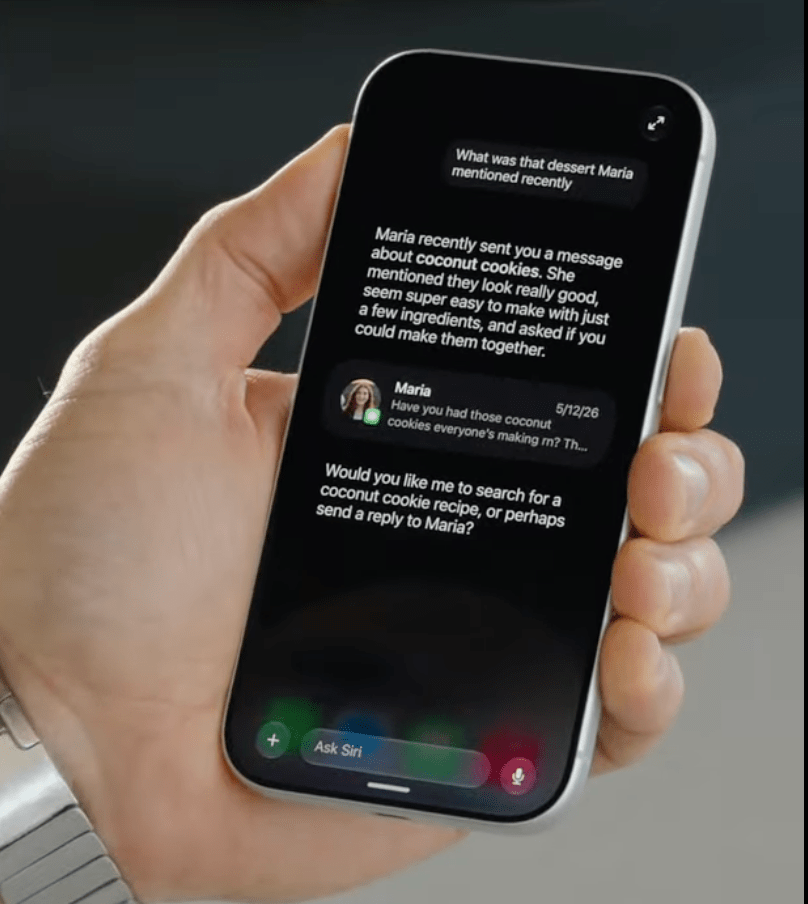
That tap is about to change. In his final earnings call as Apple CEO, Tim Cook revealed that the long-awaited Siri AI upgrade could come with limits for heavy users, with more compute available through upgraded iCloud+ subscriptions. Apple hasn’t finalised the plan, but the direction is clear.
You might be thinking: “I don’t use Siri. My business runs on other tools.” That’s exactly the point. Apple isn’t the first to do this, and it won’t be the last. This news is your warning that the tools you rely on today may not stay unlimited tomorrow.
TL;DR
- Apple plans usage tiers for heavy Siri AI use via iCloud+, following the same model as OpenAI and Anthropic.
- This confirms AI assistants are shifting from free tools to metered utilities — and your business tools will follow.
- Malaysian SMEs should diversify their AI habits now, before any single assistant becomes a gatekeeper.
What This Means: AI is becoming a utility, not a gift
Let’s translate the tech news into plain language. For the past two years, AI assistants have behaved like free samples at a pasar malam — generous, unlimited, and designed to get you hooked. Behind the scenes, every question you ask an AI burns computing power: server time, electricity, and specialised chips. That’s manageable when you use it occasionally, but it adds up fast when power users ask hundreds of questions a day.
Apple’s comments confirm what industry insiders already knew: the free-sampling era is ending. Most AI providers like Anthropic and OpenAI already operate this way, offering limited free versions with upgrade tiers for heavier use. Siri was one of the last holdouts in the consumer world. Now even Apple is joining the metering model.
The uncomfortable truth is that the new Siri AI itself is arriving late. Apple has licensed a custom Google Gemini model to boost Siri, and the company faced a class action settlement over how it marketed the iPhone 16’s AI capabilities. When even Apple stumbles on AI delivery, it tells you how fast this technology is changing — and how uncertain the road ahead is. The AI-driven RAM shortage across the industry only adds to the pressure.
The free AI era is ending. If you build your business processes around one assistant, you’re building on rented land.
How This Applies to Malaysian SMEs
You run a shop in Petaling Jaya, a manufacturing business in Penang, a F&B brand in Johor Bahru. You’re not buying iPhones in bulk or managing Apple fleets. So why should you care? Because your AI habits are probably scattered across free tools — a chatbot here, a writing assistant there, maybe a design tool that seems to have gotten better at guessing what you want.
Every one of those tools is built on someone else’s compute. And every one of those providers is watching Apple’s move. When the biggest consumer hardware company in the world starts talking about metering AI usage, smaller software companies take note. The tools you use for drafting customer replies, generating product photos, or translating your menu into English and Mandarin will eventually face the same pressure: server demands rise, free tiers shrink, and upgrade plans appear.
Here’s a concrete scenario from a Malaysian context. Suppose you run a boutique with an active Instagram presence. You use an AI writing tool to draft captions, and a scheduling tool to queue up posts. Today it works without a second thought. But if the AI backend behind those tools starts limiting usage — as Apple just signalled — your tool’s subscription terms will shift, or your monthly word limit will shrink. You’ll feel it indirectly, like a supplier changing terms mid-contract.
The bigger risk is the habit trap. Right now, you might lean heavily on one assistant for everything: customer emails, staff handbooks, social media content, even translating WhatsApp messages from suppliers. You’ve taught it your tone, your products, your quirks. If that assistant decides to restructure its free tier, you’re left scrambling to retrain a new tool while your operations stall. Malaysian SMEs don’t have the slack for that kind of interruption — you’re running lean teams where everyone does three jobs.
Practical takeaways: what to do this week
- Inventory your AI dependencies. List every tool you use that has AI behind it — chatbots, writing assistants, image editors, even your email app’s smart reply. You can’t prepare for changes you haven’t noticed.
- Keep your prompts portable. Store your best prompts in a simple document, organised by task. If you switch tools, you don’t lose your workflow.
- Test a secondary assistant. Pick one other AI tool and run your top five routine tasks through it. Build familiarity before you need it.
- Watch for usage limits, not just access changes. Apple’s plan is about compute, not a simple adjustment. Your tools may stay “free” while quietly capping your daily questions.
- Review your team’s accounts. If your staff use AI tools daily, establish one shared account with clear boundaries. Rogue free accounts are the first to feel tier changes.
How AI usage is shifting: a quick comparison
| Business task | Today’s typical approach | Risk under tiered AI |
|---|---|---|
| Customer service replies | Free chatbot, unlimited questions | Daily question caps on heavy-use days |
| Content creation (BM, English, Chinese) | One favourite assistant for all languages | Switching tools means re-teaching tone and terminology |
| Meeting notes and summaries | Free AI transcription | Per-minute usage limits on long meetings |
| Product descriptions | Batch-generated before launches | High-volume weeks hit tier ceilings |
| Translation for suppliers | Free browser-based translation | Business-sensitive data handled by less familiar tools |
The pattern is simple: the more your business relies on AI for daily operations, the more exposed you are to tier changes. You don’t need to panic — you need to prepare.
The Bigger Picture: treating AI like electricity
This isn’t a story about Siri. It’s a story about how Malaysian SMEs will relate to AI over the next five years. The direction of travel is unmistakable: AI is becoming a metered utility, like electricity or water. You don’t own the source; you draw from it, and usage is tracked.
That’s not necessarily bad. Metered utilities are predictable — you know what you’re consuming, and you adjust your habits. Tiers could actually benefit small businesses that use AI deliberately rather than casually. You’ll have clearer visibility into how your team works, and you’ll make more intentional choices about which tasks deserve AI and which you can handle manually.
But it also means you need a strategy. The businesses that thrive will be the ones that treat AI as infrastructure to manage, not as magic to consume. They’ll have backup tools, documented workflows, and staff who can switch context without losing momentum. They’ll ask “what happens if this tool changes?” before it changes, not after.
Apple’s announcement is the clearest signal yet that the free era has an expiry date. The SMEs that start diversifying their AI habits now — not the ones with the most advanced tech — will be the ones that stay calm when the taps start metering. Your business deserves that calm.
Ready to Streamline Your Operations?
Your business should run itself. AutoRunBiz deploys AI agents to automate your daily operations — WhatsApp orders, invoicing, customer follow-ups, and accounting. Book a free 15-min ops audit to see where automation fits your business →