
Apple’s $250 Million Mistake: A Critical Lesson for Malaysian Business Owners
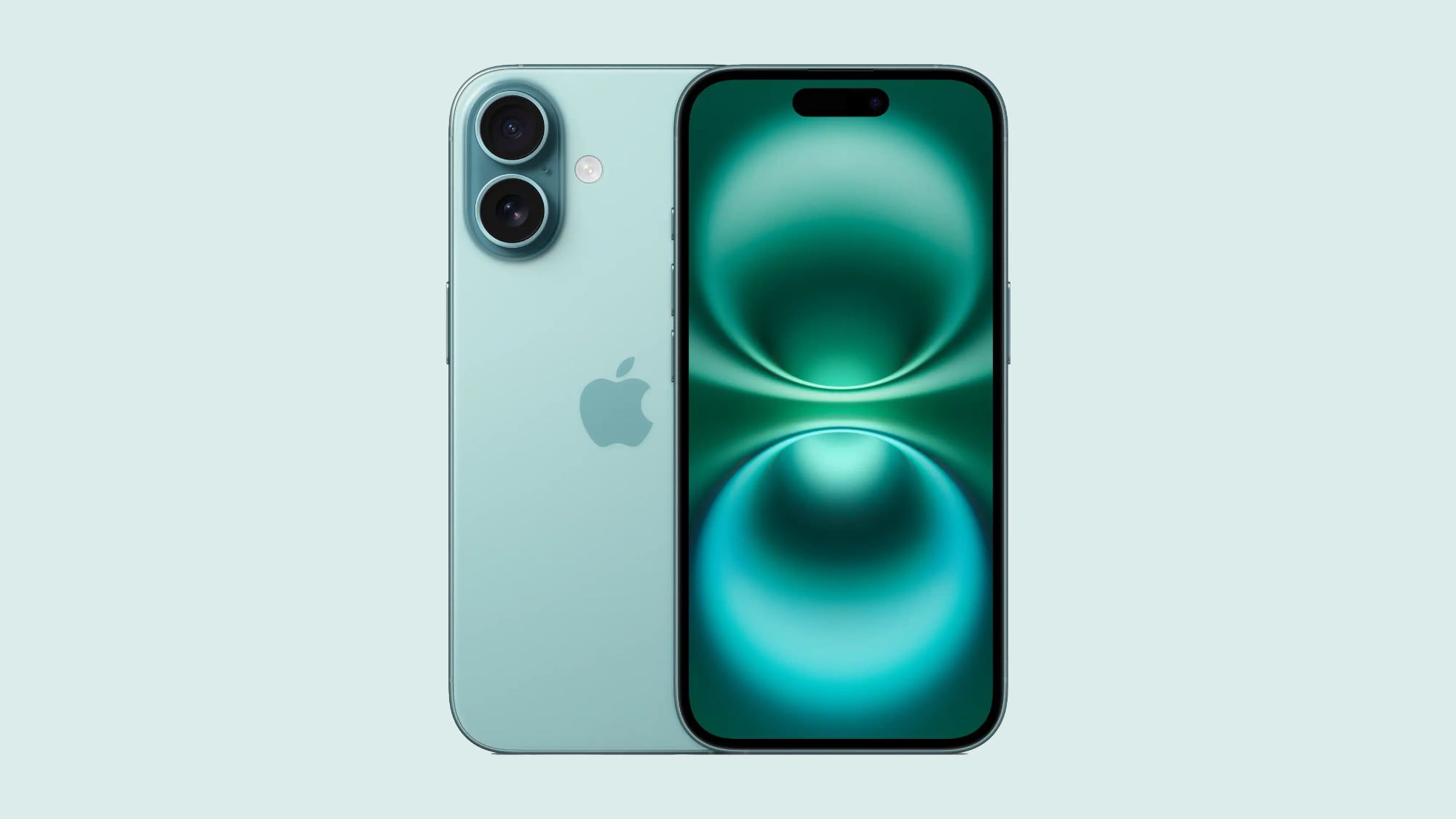
Imagine you’re counting on a new tool to simplify your daily operations. You’ve seen the demos, heard the promises, and planned your workflow around it. Then, the launch gets delayed. Not by a week, but by over a year. That’s exactly what happened to thousands of people waiting for Apple’s advanced “Siri AI” — and it just cost the tech giant $250 million to settle a class action lawsuit.
TL;DR: Apple advertised powerful AI features, delayed them for over a year, and is now paying $25 to $95 to affected US customers. The real takeaway for Malaysian SME owners? Never let a vendor’s “promised” features dictate your business timeline. Your company needs solutions that work today, not next year. This lawsuit is a massive red flag about betting on hype over reliability.
The Real Cost of a Delayed Promise
In 2024, Apple showcased a new, personalized Siri with features like on-screen awareness and deep app integration. They even ran a TV commercial for it. But when the launch was pushed into 2026, the gap between the marketing promise and the actual delivery became critical. For a small business owner, a year-long delay on a promised tool means you are either holding your breath or scrambling for an expensive workaround.
While the payout for US customers is capped at $95, the real inconvenience and lost productivity are far harder to quantify. You likely won’t see a cheque from this settlement in Malaysia, but you do gain a valuable insight: don’t depend on vaporware. Your business’s efficiency shouldn’t be held hostage by a large corporation’s development timeline, no matter how impressive the initial demo looks.
“Apple finally announced ‘Siri AI’ at WWDC 2026… over a year after the lawsuit was filed.”
The lesson is timeless: When you build a business process around a “coming soon” feature, you risk stagnation. Malaysian SMEs need to move fast. Waiting for the perfect tool is often more expensive than adopting a good one right now.
The Hype Trap: What Was Promised vs. What Was Delivered
The lawsuit alleges false advertising because Apple demonstrated features that simply weren’t ready for mainstream use. This is a cautionary tale for any business owner evaluating new technology for their operations.
| What Apple Promised | What Actually Happened | Lesson for Your SME |
|---|---|---|
| Personalized Siri with “on-screen awareness” and “personal context” (e.g., booking flights, reservations based on chats). | Delayed for over a year. Available only on the latest iPhones starting September 2026. | Never rewrite your operations manual based on a vendor demo. Always ask for a “generally available” timeline, and build a Plan B. |
| Deep integration with Mail, Messages, and third-party apps. | Most features remained inaccessible until the actual OS release, over a year late. | If a tool is “coming next quarter,” ask if you can start with a stable, smaller-scope version now. Functional beats futuristic. |
| A seamless AI experience that would transform how you use your device. | A $250 million settlement and disappointed customers who felt misled. | Look for solutions that are solving today’s problems right now, not promising to solve them “later.” |
The Bigger Picture: Don’t Let “Big Tech” Rotations Slow You Down
This story isn’t really about iPhones. It’s about the gap between marketing promises and operational reality. For a Malaysian SME, this gap translates directly into lost opportunity. You can’t afford to wait a year for a feature that might help you save an hour a day.
The core issue here is dependence on external roadmaps. When you automate your business—whether it’s your client onboarding, your inventory tracking, or your social media scheduling—you need the system to be reliable. You need it to work now.
Apple’s Siri lawsuit serves as a perfect, high-profile example of why your business processes should be built on current, working technology rather than future promises. The companies that thrive are the ones that find practical, existing solutions and start using them immediately, iterating as they go. Don’t design your strategy around a tool that doesn’t exist yet.
Questions to Ask Before Betting on Any Tech Promise
- Is it live today? “Beta” doesn’t count. “Coming next quarter” doesn’t count. Ask for a login and real-world case studies.
- What happens if they delay this feature? Do you have a backup workflow, or are you stuck waiting?
- Does it solve exactly one problem really well? General “AI magic” promises often fail. Focused automation tools usually deliver.
- Is there a competitor who already has this feature in production? The best tech is often not the first announced, but the first practically delivered.
Your time and your team’s productivity are your most valuable assets. Don’t lease them out to a company’s unfulfilled promises. If a tool isn’t ready today, it’s likely just a distraction from what you could be achieving right now.
Ready to stop waiting and start automating with tools that actually work as promised? Let’s build a system for your business that doesn’t depend on future hype.
Book a free 15-min call to see how practical business automation applies to your business →