
That Laptop You Rely On? Its Future Just Got a Massive Upgrade
You wake up, open your laptop, and start a day of firefighting—sales figures, inventory counts, client emails. The last thing you need is your technology failing. A dead battery right before an important video call. A Point-of-Sale system crashing because the backup unit gave up. A few seconds of lost power that corrupts a database.
These aren’t just annoyances. They are the silent, accepted friction of running a small business in Malaysia. We just shrug it off. “Technology is like that, right?”
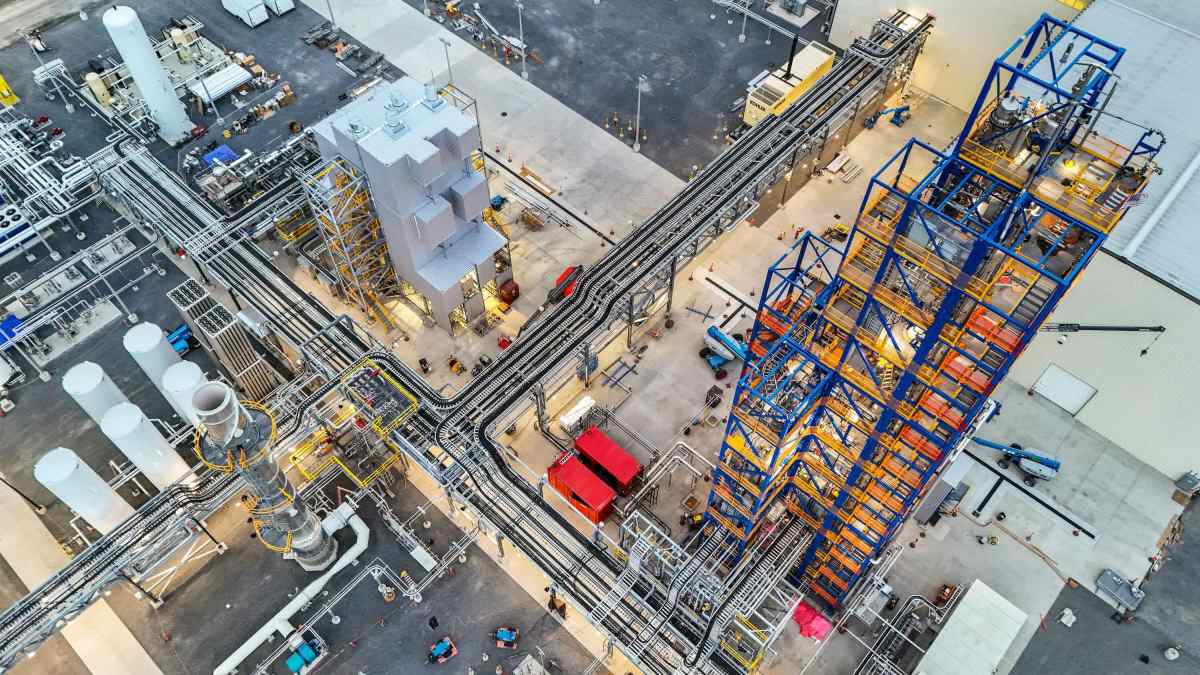
But a massive $300 million bet by a little-known company called Sila just changed the trajectory of every battery you buy for your office (TechCrunch). It is not about electric cars. It is about the fundamental physics of the energy storage running your business life.
TL;DR: Sila is scaling a factory in Washington state to mass-produce a silicon-based battery material that packs 40% more energy than standard graphite and charges faster. This breaks a massive global reliance on a single country for critical battery materials. For your SME, this directly translates to longer-lasting devices, more resilient backup power systems, and a much more stable supply chain for all the technology you rely on.
What This Means (In Plain Language)
The battery in your laptop relies on a component called a graphite anode. Think of it as the parking lot for energy. Graphite has physical limits. It is heavy, bulky, and roughly 75% of the world’s supply is processed in China. This is a massive, hidden risk for any business that depends on imported hardware.
Sila spent 15 years perfecting a silicon-carbon alternative. Silicon can hold significantly more energy in the same physical space. The result is a battery that can store up to 40% more energy and charge faster. Imagine your team’s laptops lasting through an entire 12-hour operations day without hunting for a power socket. Or your office UPS backup being half the size while keeping your network alive twice as long.
“If you run a business on screens and servers, you are betting your daily operations on the health of global battery supply chains. A healthier battery ecosystem means a healthier business.”
What This Means for Your Malaysian SME
1. Your Devices Finally Catch Up to Your Workday
How many times does your team huddle around a power socket instead of a whiteboard? The lifespan of a modern laptop is almost never limited by its processor. It is limited by its battery. Once the battery degrades, the whole machine gets replaced. By offering higher energy density and better cycle life, technology like Sila’s effectively extends the productive life of your company’s most critical hardware. This isn’t just convenience—it reduces the operational friction of hardware failure in your daily routine.
2. Your Backup Safety Net Gets Stronger
Malaysian SMEs deal with real power challenges. A transient dip during a storm or a scheduled outage in your area can crash a network switch, corrupt a file, or force a tedious server reboot. Future power backup systems designed with better battery chemistry will be smaller, cooler, and able to absorb more stress. This means less downtime for your critical business automation tools and Point-of-Sale systems, regardless of what the grid is doing.
3. The Cloud You Rent Gets a Power Upgrade
According to the article, AI data centers are becoming the biggest buyers of advanced grid-scale batteries (source). Why? Because uptime is everything to them. Malaysia is rapidly positioning itself as a major data center hub (Johor, Cyberjaya, Kuching). The more resilient these centers become—aided by better battery storage—the more stable and responsive your cloud accounting, CRM, and inventory software becomes. The invisible battery farm keeping your favorite SaaS platform online just got a significant upgrade.
| Your Business Pain Point | Limitation of Current Graphite Tech | Sila’s Silicon Advantage | Direct Benefit to Your SME |
|---|---|---|---|
| Short device battery life | Graphite hits energy density ceiling | +40% energy density | Full workday without a charge; devices last longer before replacement |
| Supply chain risk for hardware | ~75% graphite controlled by China | Diversified US manufacturing base | More stable supply and availability for imported tech goods |
| Office power outages | Heavy, high-maintenance UPS systems | Faster charging, higher density storage | Smaller, more resilient backup systems for your network |
| Dependence on Cloud software | Data centers vulnerable to grid instability | Grid-scale storage demand is growing | Higher uptime and reliability for your essential SaaS tools |
Practical Steps to Prepare Right Now
You don’t need to be a hardware engineer to benefit from this trend. Here is a simple checklist to ride this wave:
- Audit your device lifecycle. Track how long your company laptops and office UPS units actually last. Battery failure is the #1 reason for hardware replacement. Knowing your baseline helps you capitalize on future improvements.
- Map your power dependencies. List the exact equipment that must stay online during a power cut (router, server, POS system). Future battery upgrades will solve this more elegantly.
- Challenge your vendors on resilience. Ask your internet provider and your software vendors about their power backup plans. A vendor investing in battery technology is a vendor investing in your uptime.
- Train your team on battery health. Simple habits like keeping laptops charged between 20% and 80% can significantly extend their usable life. This one habit dramatically extends the time between hardware replacements.
The Bigger Picture: Energy is the New Foundation
Sila’s $300 million round—with heavyweights like Atreides Management and T. Rowe Price backing it (source)—is a massive signal. The future of business is not just faster chips and better software. It is about energy. How we store it. How we move it. How we keep operations running.
For decades, “tech advancement” meant raw processing power. Now, it means energy efficiency and storage capability. The SME owner who understands this shift is the one who avoids the slow death of hardware failures, supply shocks, and unplanned downtime.
The factory expansion in Washington state is not a distant headline. It is the story of the engine under the hood of your next three years of business. Pay attention to it. Your company’s resilience depends on knowing what powers it.
Ready to Streamline Your Operations?
Your business should run itself. AutoRunBiz deploys AI agents to automate your daily operations — WhatsApp orders, invoicing, customer follow-ups, and accounting. Book a free 15-min ops audit to see where automation fits your business →