
A Simple Comeback That Signals Big Changes for Your Business
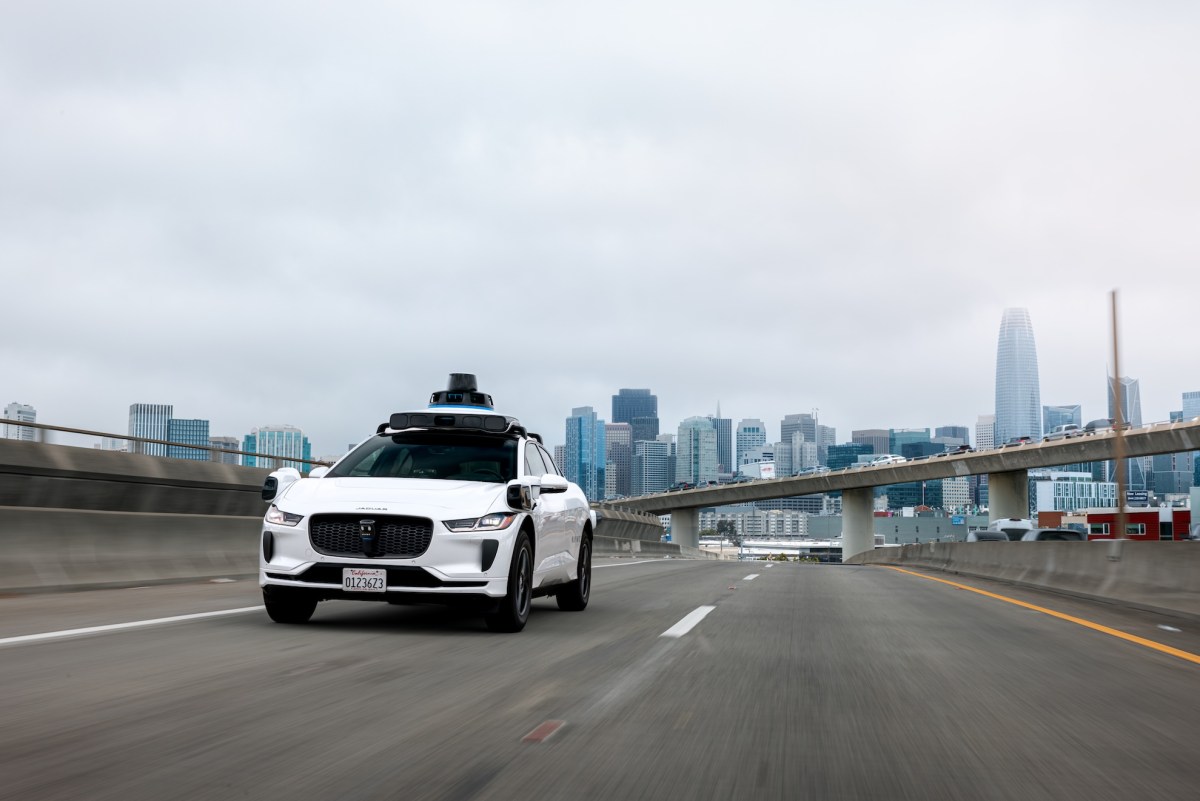
You might have missed it, but Waymo’s robotaxis started returning to freeways after a two-month pause. If you’re running a small business in Malaysia, you might think this is irrelevant. But consider this: if a self-driving car company can pause and restart operations due to construction zone issues, how prepared is your business for unexpected tech hiccups? The Waymo story isn’t about driverless cars—it’s about reliability, adaptation, and learning from mistakes. As a busy SME owner, understanding this can help you make better decisions for your own automation investments.
Let’s be honest: automation is creeping into every industry, from automated scheduling in clinics to delivery drones in logistics. Waymo’s experience is a case study you can learn from without investing in expensive technology. Think of it as a real-world test you don’t have to pay for.
TL;DR: Waymo paused freeway routes due to problems around construction zones, then resumed after software updates for better scene recognition. They recalled nearly 4,000 robotaxis after 13 instances of entering closed highway sections. For your SME, this means automation is evolving, but it requires careful testing and continuous improvement. Don’t ignore how autonomous tech might affect your logistics, delivery, or customer services—start small and iterate.
What This Means: Automation Isn’t Magic
Waymo’s freeway return shows that automation is a process, not an overnight switch. They stopped due to performance issues near construction zones. After software updates for enhanced scene recognition and routing, they’re back on highways. This proves that even advanced tech needs continuous improvement. For your business, it’s a reminder to test tech thoroughly before relying on it. Waymo’s recall of nearly 4,000 robotaxis, as reported by TechCrunch, highlights the importance of safety. There were 13 instances of robotaxis entering closed highway sections, but no injuries. The fact that it’s the sixth recall shows they’re iterating, not just launching and forgetting. You can apply this mindset to any new software or tool you adopt in your business.
“Waymo’s experience proves that automation requires continuous learning. Your business should treat tech adoption the same way—iterate, don’t idealize.”
How This Applies to Malaysian SMEs
First, think about logistics and delivery. Imagine using autonomous vehicles for last-mile delivery in Malaysian urban areas like Kuala Lumpur or Penang. Waymo’s experience shows that automation needs to handle local quirks—like road works, uneven surfaces, and heavy traffic. If you’re considering automated tools for your business, start small and test in controlled environments. For instance, if you own a retail shop, automate inventory tracking first before moving to customer-facing robots. Waymo’s software updates for construction zones are analogous to tailoring automation to your local context. Malaysian roads have unique challenges, so any automation you introduce must be field-tested locally.
Second, consider customer trust. Waymo faced scrutiny from regulators and the public after incidents. Similarly, if you introduce automation, your customers might have concerns. Be transparent about how you use tech and ensure it enhances service, doesn’t complicate it. For example, automated scheduling systems for booking appointments in your service-based SME need to be user-friendly. If customers find them confusing, they might prefer human interaction. Waymo’s pause might have disappointed riders, but their eventual resume shows that trust can be rebuilt by addressing issues head-on. You can do the same by communicating openly about any changes you implement.
Third, regulation matters. Waymo’s challenges have led to proposed national safety standards in the US. In Malaysia, laws around autonomous vehicles are still developing. Stay informed about regulations that could affect your industry, especially if you’re in transportation, logistics, or retail. Being proactive can give you an edge. For example, if autonomous delivery services become regulated in Malaysia, early adopters who have prepared will adapt faster. The Malaysian government has been exploring smart city initiatives, which might include autonomous vehicles. Keeping an eye on these developments can help you anticipate changes rather than react to them.
Another angle: Waymo’s focus on high-speed roads like freeways shows that automation is expanding from slow speeds to fast ones. This directly applies to Malaysian SMEs involved in e-commerce delivery on highways. If autonomous trucks become viable, it could change your supply chain. But for now, it’s about understanding that technology evolves through hiccups, not explosions. Waymo’s move from surface streets to freeways was a critical expansion for shorter commute times and faster airport access. Similarly, your business can gradually introduce automation to speed up processes, but only after thorough testing. For example, automating invoice processing can save time, but it needs to handle variations in vendor formats.
Practical Takeaways for Your SME
- Stay updated: Follow trends in automation, even if they seem distant. They might affect your industry soon. Use sources like TechCrunch for global insights, but also local news for Malaysian developments.
- Test before scaling: Adopt new tools with small trials. Waymo’s pause shows the value of controlled testing. Start with non-critical tasks to build confidence.
- Prioritize safety: Whether you’re using automated software or hardware, ensure it doesn’t compromise customer experience or safety. Recall incidents are learning opportunities.
- Build flexibility: Technology will have setbacks. Have contingency plans if automated systems fail. For instance, if your automated chatbot goes down, have a manual response setup.
- Know the regulator landscape: Watch for changes in Malaysian autonomous vehicle policies that could impact your business. Engage with industry associations to stay informed.
| Key Metric | Waymo Data |
|---|---|
| Robotaxis recalled | Nearly 4,000 (TechCrunch) |
| Incidents causing pause | 13 instances of entering closed highway sections (TechCrunch) |
| Overall recalls | 6th recall (TechCrunch) |
| Freeway routes resumed | Phoenix, Los Angeles, San Francisco, Miami (TechCrunch) |
| Previous issues | Flooded roads and school bus behavior (TechCrunch) |
The Bigger Picture: Automation Is Coming, Step by Step
Waymo’s journey is a microcosm of automation’s path. It’s not about overnight revolutions; it’s about gradual improvements. As technology matures, it will become more integral to daily business—from automated inventory management to self-driving delivery vans. For Malaysian SMEs, this means preparing your operations and mindset for a more automated future. But start with small steps, like automating repetitive tasks or using data analysis for customer trends. The long-term trend is clear: automation will increase efficiency, but only if implemented thoughtfully. Learn from Waymo’s recalls and pauses. They’re not failures; they’re learning points. Your business can do the same by adopting a culture of continuous improvement.
Waymo’s experience with construction zones is particularly relevant. In Malaysian cities, road works are common. If autonomous vehicles can eventually navigate these conditions, your business could benefit from more reliable delivery times and reduced labor costs. But for now, focus on the lessons: start small, test thoroughly, and always be ready to adapt. The future of automation is being written now, and you can be part of it by making informed decisions today.
Ready to Streamline Your Operations?
Your business should run itself. AutoRunBiz deploys AI agents to automate your daily operations — WhatsApp orders, invoicing, customer follow-ups, and accounting. Book a free 15-min ops audit to see where automation fits your business →