
When Your AI Chokes During Hari Raya Rush: Lessons from a Robotaxi Meltdown
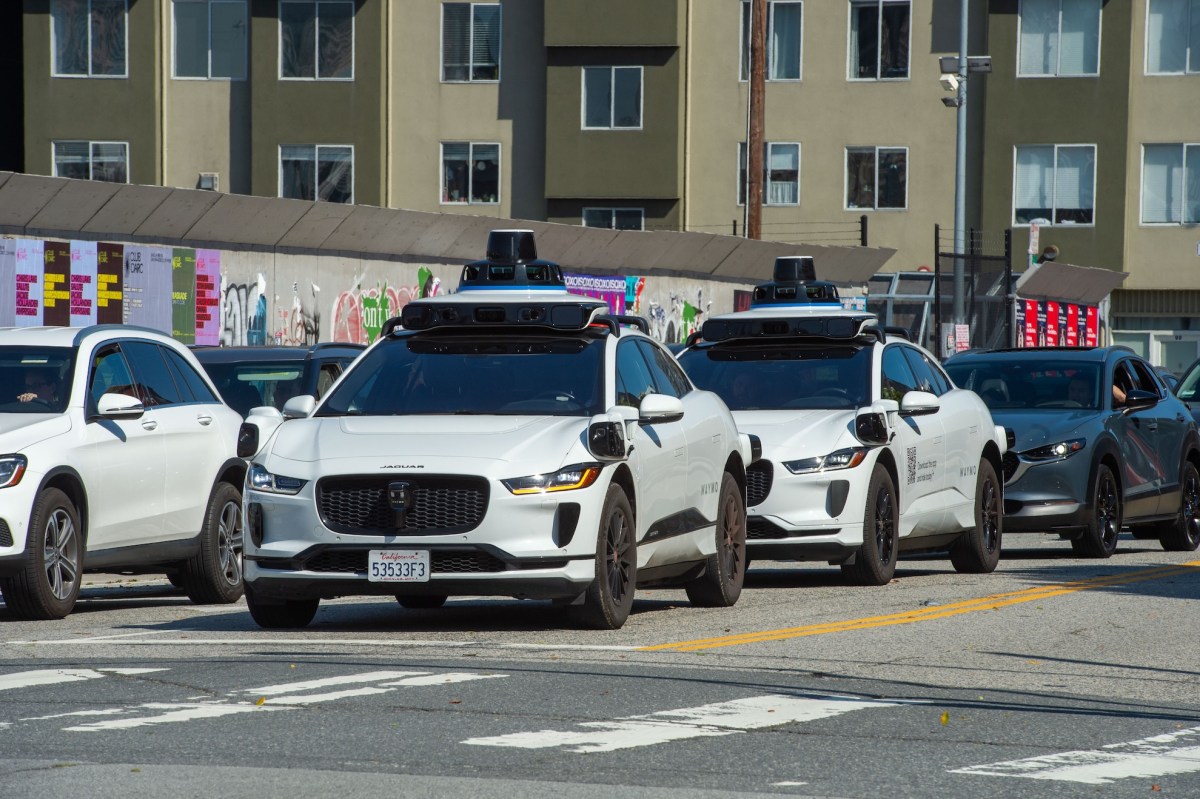
Imagine this: it is the eve of Hari Raya, and your online store is flooded with orders. Your automated inventory system suddenly freezes. Payment confirmations stop flowing. Delivery slots vanish into a digital black hole while frustrated customers flood your WhatsApp. Now multiply that chaos across an entire city. That is exactly what happened in San Francisco over the July 4 weekend, when Waymo robotaxis became gridlocked, ran out of battery, and blocked traffic for hours.
According to the report, dozens of autonomous vehicles stalled in key travel lanes, trapping municipal shuttles and forcing emergency responses. Mayor Daniel Lurie is now pushing California regulators for stricter autonomous vehicle rules, demanding four core operational capabilities before these fleets can continue operating at scale. With roughly 1,000 robotaxis in the Bay Area completing over 500,000 paid rides weekly, the incident exposed how automation that works in normal conditions can collapse under real-world stress.
The parallel to your business is direct. Whether you run a Shopify store, a restaurant chain with self-ordering kiosks, or a logistics platform using AI routing, the question is the same: what happens when your automation hits peak load?
Reliability Under Real-World Stress, Not Demo Conditions
Waymo vehicles did not fail on a quiet Tuesday morning. They failed during a major public holiday when streets were crowded, routes were unpredictable, and demand surged. Your AI tools face the same test during Malaysian peak seasons: Hari Raya open houses, year-end sales, Chinese New Year shopping spikes, and 11.11 campaigns.
Too many SME owners evaluate software in ideal conditions: fast internet, moderate traffic, and predictable inputs. The real test is whether your chatbot still routes enquiries correctly when five hundred customers message simultaneously. It is whether your stock-sync tool updates accurately when SKUs fly off the virtual shelves every few seconds. The San Francisco mayor’s letter to the state DOT makes it clear: regulators now want proof that systems work when circumstances turn messy, not just when the road is clear.
Four Operational Capabilities Every SME Should Demand
Mayor Lurie outlined four specific requirements for autonomous vehicle operators. You should insist on the same principles from any automation vendor serving your business.
Immediate removal from travel lanes. In plain language, this means a kill switch. If your AI ordering system starts sending duplicate orders or cancelling valid ones, you need a single action that halts the automation instantly and reverts to manual control. You cannot afford to wait three hours for a vendor in another time zone to respond while your brand burns on social media.
Real-time route adaptation. For you, this is dynamic fallback logic. If your primary payment gateway goes down, your system should automatically switch to a secondary option without forcing customers to restart their checkout. If your AI inventory allocator crashes, it should default to a rules-based backup that preserves data integrity rather than spraying errors across your warehouse.
Data sharing with agencies. Translate this to full audit trails inside your operation. Every decision your AI makes—every price adjustment, every stock deduction, every customer tag—needs to be logged and explainable. When something breaks, you should not be hunting through opaque black boxes. You need clear records to fix the root cause and to demonstrate accountability to your customers.
Stress-testing for large events. Before you trust an AI tool with your busiest season, demand evidence that it has been load-tested under realistic Malaysian conditions: high concurrent users, patchy mobile networks, and integrated with the local payment gateways and delivery platforms you actually use. A demo with ten test orders means nothing if your store processes a thousand orders per hour during Ramadan.
Automation without accountability is not an asset. It is a liability that scales with your business. The bigger you grow, the harder a system failure hits your customer trust and reputation.
Why Malaysian SMEs Must Lead on AI Accountability
There is a temptation to assume that because Waymo operates at city scale, its failures are irrelevant to a SME in Kuala Lumpur or Penang. The opposite is true. A global giant has PR teams, government lobbyists, and corporate buffers to survive a bad headline. You do not. One broken automation during your biggest sales weekend can erase months of hard-won customer loyalty.
Malaysian consumers are increasingly digital, but they also expect human accountability when things go wrong. If your AI-generated email sends the wrong voucher code to ten thousand subscribers, you are the one who answers for it. Vendors who sell feature-rich dashboards but hide behind tickets and escalation queues when systems fail are asking you to carry their risk.
The San Francisco incident is a warning that even well-funded AI with hundreds of thousands of weekly transactions can collapse when operators skip stress-testing and real-time safeguards. Do not let your business be the next cautionary tale because you accepted a slick demo as proof of operational readiness.
Build for Real Conditions, Not Presentations
Before you sign on to any AI solution, ask the hard questions. Can you pull the plug in seconds? Can the system adapt without human coding in the middle of a crisis? Can you see exactly what decisions were made and why? Has the tool been tested under the specific pressures of Malaysian retail and service peaks?
If the answer to any of those is vague, you are not buying automation. You are renting a future outage.
AutoRunBiz builds AI systems for real Malaysian business conditions, not demos. If you are ready to implement automation that is stress-tested for your actual peak seasons and accountable when it matters, talk to our team today.
Your AI systems need the same level of oversight and accountability. Book a free 15-min call to see how AI compliance and automation applies to your business → https://autorunbiz.com