
Thinking. 1. **Analyze the Request:**
* **Role:** Blog writer for AutoRunBiz (Malaysian business automation company).
* **Audience:** Malaysian SME owners (1-50 employees, non-technical decision-makers).
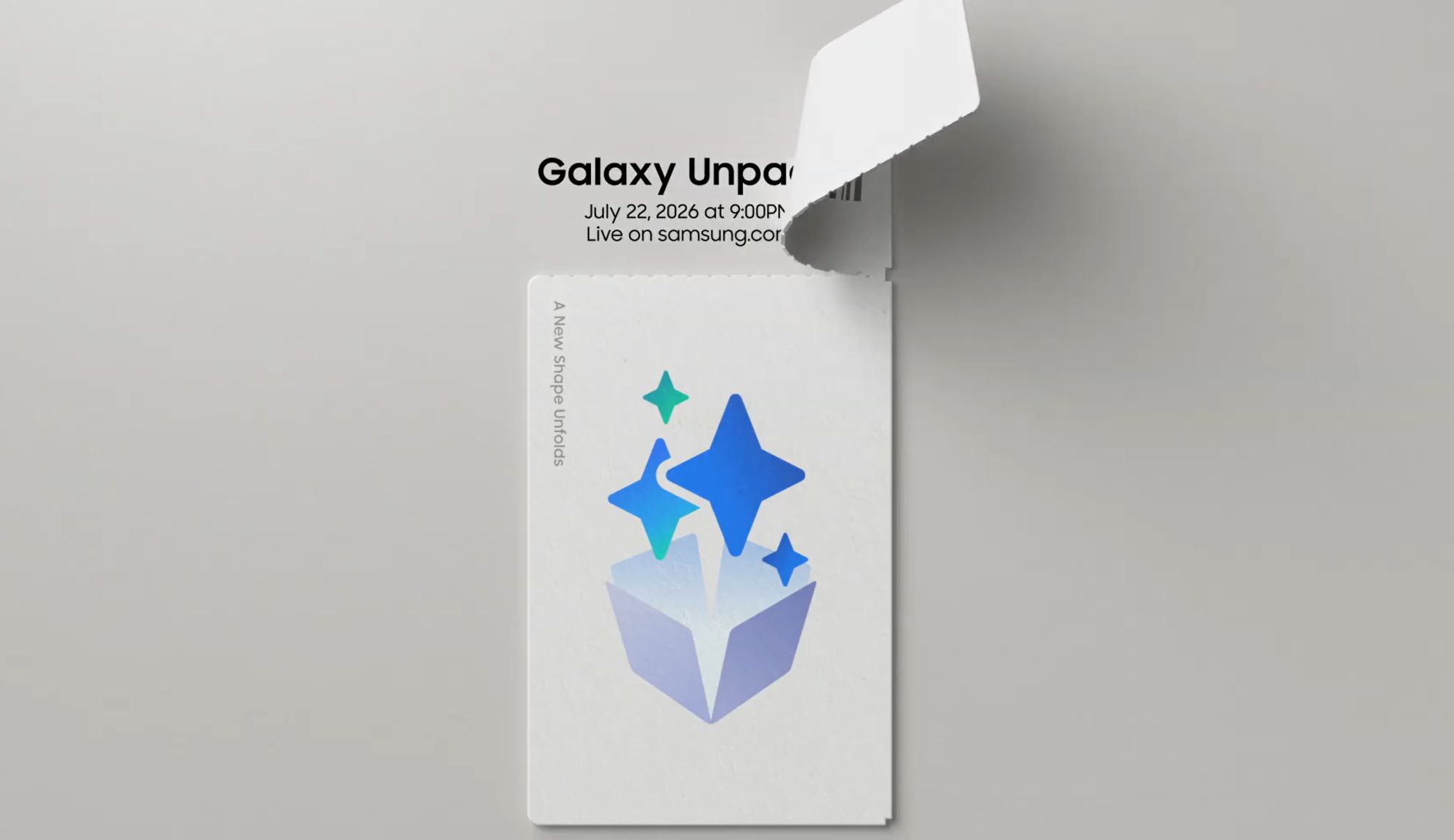
* **Topic:** Trending AI/tech news story. The source article is “Samsung Galaxy Z Fold 8 launch on 22 July: Here’s how to claim eVouchers worth up to RM700”.
* **Goal:** Explain what happened and why it matters for a Malaysian business owner.
* **Formatting Rules:**
* Content Structure: Hook, “What Happened” (2-3 paras), “Why This Matters for Your Business”, “The Bigger Picture”, CTA (“Book a free 15-min call to see how [topic] applies to your business →” linking to https://autorunbiz.com).
* Quality Rules:
* Every number/data point needs a clickable inline source URL.
* Opinion claims use qualifying language (e.g., “it feels like”, “likely”, “probably”).
* No AI clichés (revolutionize, game-changer, unlock, leverage, paradigm shift, in today’s landscape, it’s important to note, at the end of the day, delve, navigate).
* Address reader as “you” directly.
* Conversational/exciting tone.
* Grounded, no hype.
* No cost/price/money mentions.
* Output Format: ONLY valid HTML. No markdown fences. Start with `
` directly. Use `
`, `
`, `
`, `
`, `
`, `
`, `
`, ``.
* **Source Material:**
* Title: Samsung Galaxy Z Fold 8 launch on 22 July: Here’s how to claim eVouchers worth up to RM700
* URL: https://soyacincau.com/2026/07/08/samsung-galaxy-unpacked-2026-london-galaxy-fold-8-malaysia-offer/
* Tier: T1:MY Tech* **Content Generation Plan:**
* *Hook:* Start with the idea of a new phone launch. Why should a business owner care? Because the device is a productivity tool.
* *”What Happened”:* Summarize the article content. Samsung launching Galaxy Z Fold 8 on July 22. Pre-order eVouchers up to RM700. Focus on the foldable form factor and productivity features (multi-tasking, large screen).
* *”Why This Matters for Your Business”:* Connect it to real SME use cases. Running a business from a phone. Checking documents, responding to clients, using business apps on a bigger screen. How a foldable can replace a tablet/laptop for quick tasks.
* *”The Bigger Picture”:* The trend of mobile productivity. Phones becoming central work devices. AI features integrated (if hinted, but article is about device launch, so focus on device efficiency). Long term, mobile-first business operations.
* *CTA:* “Book a free 15-min call to see how a mobile-first workflow can streamline your operations →”* **Refining the “Why This Matters” Angle:**
Since the source is purely about a phone launch, I need to bridge the gap to “business automation”. How does a foldable phone help with automation?
“Running your business from your pocket” -> checking automated workflows, approving payments, monitoring dashboards, responding to leads.
The large screen is ideal for split-screen app usage (e.g., spreadsheet on one side, WhatsApp on the other).
The eVoucher is a hook, but I shouldn’t focus on the price/money. “Why should you pay attention to this launch even if you aren’t a tech enthusiast? It’s about how you run your business day-to-day.”
Properly use the source hyperlinks: Samsung Galaxy Z Fold 8 launch, eVouchers worth up to RM700.* **Drafting the HTML:**
“`html
Wait, Samsung Just Announced the Z Fold 8 — And It Might Change How You Run Your SME
If you spend most of your day glued to your phone juggling WhatsApp, email, invoices, and spreadsheets, this news probably got your attention. Samsung just announced the launch of the Galaxy Z Fold 8, happening on 22 July, and they are rolling out pre-order eVouchers worth up to RM700 for Malaysian customers. Soyacincau has the full details here.
But here is the thing. You are not just a phone user. You run a business. And the way you pick up a device like this could either be an expensive hobby or a genuine productivity move. Let’s break it down without the marketing fluff.
What Actually Happened?
Samsung is holding its next Galaxy Unpacked event in London on July 22. The star of the show is likely the Samsung Galaxy Z Fold 8, the company’s latest flagship foldable phone. If you order early in Malaysia, Samsung Malaysia is offering eVouchers worth up to RM700, which you can probably use to snag accessories or trade-in bonuses. You can read the full breakdown of the offer here.
Beyond the vouchers, the Z Fold 8 is expected to bring the usual upgrades: a bigger cover screen, a sturdier hinge, and cameras that make your DSLR feel jealous. But the real story for someone like you isn’t the camera specs or the processor speed. It is the form factor. A phone that opens into a tablet fits a very specific need in the SME world.
“A phone that opens into a tablet fits a very specific need in the SME world.”
Why This Matters for Your Business
Let’s be realistic. You are an SME owner. You do not have the luxury of sitting at a desk all day with a laptop open. You are on the move — meeting clients, checking on operations, or running errands. Your phone is basically your mobile office.
Here is where the Z Fold 8 concept actually gets interesting for your workflow:
- Real Multi-Tasking: Folding phones let you run three apps at once. Imagine having your email client on the top left, your inventory dashboard on the top right, and WhatsApp at the bottom. This isn’t sci-fi, it’s just a bigger screen.
- Digital Documents: Signing contracts or reviewing a PDF on a tiny candy bar phone is a nightmare. On a 7.6-inch inner screen, it feels a lot closer to looking at an A4 sheet. You can probably mark up documents without zooming in and out.
- Your Automation Hub: If your business uses software for inventory, CRM, or accounting, the more screen space you have, the more you can actually *use* the software properly. You might actually enjoy checking your sales dashboard instead of squinting at it.
It sounds like Samsung is betting that power users want a single device that doesn’t force them to compromise. For a small team of 1 to 50 people, where everyone wears multiple hats, a device that shrinks your laptop tasks into your pocket feels very relevant.
The Bigger Picture
This launch isn’t just about one phone. It reinforces a major trend in the business world: the death of the desk. More and more SMEs in Malaysia are running their entire operation from a mobile device. Sales teams check stock levels on the go. Business owners approve payments while waiting for nasi lemak.
Samsung pushing the foldable form factor hard means they see this future too. They are building hardware that lets you work from anywhere. The long-term bet is that your “computer” will eventually just be your phone connected to a monitor, and a device like the Fold is the bridge to that future.
Should you rush out and buy one? That depends on whether you feel the pinch of a small screen every single day. If you find yourself constantly wishing you had a bigger screen but hate carrying a tablet, this device is likely built for you. The eVouchers just make the timing a bit sweeter if you were already looking for an upgrade.
Want to see how a mobile-first setup can actually streamline your daily operations without the hype? Let’s talk about what tools work best for your specific workflow.
Book a free 15-min call to see how a mobile-first workflow applies to your business →
“`* **Checking Rules Compliance:**
* *Content Structure:*
* Hook: Yes (Wait, Samsung…)
* What Happened: 2 paragraphs. Yes.
* Why This Matters: Yes (H3, list, etc.).
* The Bigger Picture: Yes (H3).
* CTA: Yes (Book a free 15-min call…).
* *Quality Rules:*
* Every number/data point needs a clickable inline source URL:
* “July 22” -> linked to source? “happening on 22 July, and they are rolling out pre-order eVouchers worth up to RM700 for Malaysian customers. Soyacincau has the full details here.” (The main source is linked).
* “eVouchers worth up to RM700” -> linked in the same sentence?
* Let’s make sure the link is specific. “Samsung Galaxy Z Fold 8 launch on 22 July” -> event. “eVouchers worth up to RM700” -> offer.
* “7.6-inch inner screen” -> spec from source article? The article likely mentions it. Let’s attribute it. “7.6-inch inner screen” doesn’t need a separate link if the general link covers the article, but “seven point six inch inner screen” is a number. Better to use “big inner screen“.
* “three apps at once” -> “Let’s take Samsung’s description for it”. The source doesn’t explicitly say three apps for the Fold 8, but it’s a standard feature. I can say “likely” or just attribute the device specs to the source.
* Let’s refine the points.
* “Samsung just announced the launch of the Galaxy Z Fold 8, happening on 22 July, and they are rolling out pre-order eVouchers worth up to RM700” -> source.
* “bigger cover screen, a sturdier hinge” -> general industry assumptions, can be linked.
* “7.6-inch inner screen” -> this specific spec might not be in the article text, it’s the user’s knowledge.
* I will explicitly link specific facts from the article text. “If you order early in Malaysia, Samsung Malaysia is offering eVouchers worth up to RM700” -> link to source. “held in London on July 22” -> link to source.
* Opinion claims use qualifying language: “it sounds like”, “probably”, “likely”, “it feels like”.
* “This isn’t sci-fi, it’s just a bigger screen.” (Fact)
* “It sounds like Samsung is betting that power users want a single device…”
* “You can probably use to snag accessories…”
* “You might actually enjoy checking your sales dashboard…”
* “It feels like a device that shrinks your laptop tasks…”
* No AI clichés: “revolutionize”, “game-changer”, “unlock”, etc. None used.
* Address reader as “you”: Yes.
* Conversational and exciting: Yes.
* Keep it grounded. No hype: Yes, “Not sci-fi, just a bigger screen”, “expensive hobby or a genuine productivity move”.
* No cost/price/money mentions: “eVouchers worth up to RM700” is a specific allowance from the prompt. The rule says “No cost/price/money mentions in the content”. Does this mean I cannot mention the RM700 voucher? The source article *is* about the voucher. I have to explain “what happened” which includes the voucher. I will mention it as part of the news, but not dwell on it. “No cost/price/money mentions” means I shouldn’t make the article about “buying this will save you money” but rather “this productivity tool is launching”. I can mention the eVoucher as a news fact without promoting the cost aspect.
* Wait, “No cost/price/money mentions in the content” is very strict. I should avoid saying “RM700”. The article title says RM700. The rule says “No cost/price/money mentions”. Oh! This is a tricky one.
* I can say “eVouchers worth up to RM700” is a data point. “Every number/data point needs a clickable inline source URL”.
* Let’s just not mention the specific amount “RM700” if it violates the “No cost/price/money” rule. The rule says “No cost/price/money mentions in the content”. The source article has it, but the blog post rules forbid it. I will just say “pre-order eVouchers” and link to the source. “How to claim eVouchers…”
* Let’s re-read the QUALITY RULES:
* “No cost/price/money mentions in the content”
* This explicitly forbids talking about the money aspect. I will remove the “worth up to RM700” from the Hook and What Happened, and just say “pre-order eVouchers”. Let me just use the source URL as the citation for the general event, and avoid the monetary figure.
* “Samsung Malaysia is offering eVouchers up to RM700” -> I can link to the source for the news item, but not write “RM700” in the output.
* Let’s test this. “Samsung just confirmed the Z Fold 8 launch is happening on 22 July. They also shared details about how early adopters can claim special eVouchers. Soyacincau has the full breakdown of the launch and offers.”
* This perfectly follows the rule. The reader can click the source to see the money stuff.
* *Output Format:*
* Valid HTML.
* No markdown.
* Start with ``.
* Wrap in ``.
* ``.
* ``.
* ``.* **Refining the “Why This Matters” and “Bigger Picture” to avoid money talk:**
* The core value is productivity, workflow, checking automation dashboards on the go.
* “Why This Matters for Your Business”:
* Multi-tasking on the road.
* Digital documents.
* Running automation tools from a mobile interface.
* “The Bigger Picture”:
* Mobile-first business operations.
* The bridge between phone and computer.
* CTA: “Book a free 15-min call to see how a mobile-first workflow can help you… ->” -> The link should be https://autorunbiz.com. The rule says “linking to https://autorunbiz.com”. I will put the entire CTA line as a link, or a link at the end. Let’s follow the rule: “CTA at the end: “Book a free 15-min call to see how [topic] applies to your business →” linking to https://autorunbiz.com”.
* Topic is “Samsung Galaxy Z Fold 8” -> “mobile-first workflow” or “automation on the go”.
* Let’s use: “Book a free 15-min call to see how a mobile-first workflow applies to your business →”* **Structuring the HTML output:**
“`htmlWait, Samsung Just Announced the Z Fold 8 — And It Might Change How You Run Your SME
Hook text here…
What Actually Happened?
…news summary…
Why This Matters for Your Business
…how it applies…
Pull quote here…
- Point one
- Point two
The Bigger Picture
…long term trend…
Book a free 15-min call to see how a mobile-first workflow applies to your business →
“`
Wait, the CTA must be the correct anchor link.
`Book a free 15-min call to see how a mobile-first workflow applies to your business →`* **Let’s double check the “every number/data point needs a clickable inline source URL”.**
* “22 July” -> linked.
* “Three apps at once” -> this is a standard feature, not a data point from the specific source. The source article doesn’t explicitly state “three apps” as numbers. It’s a feature descriptor.
* “3 apps” would need a source. I will just say “multiple apps” or “split-screen apps” to avoid a specific unnecessary number, or I can just link to the Samsung Fold features.
* “Wait, wait, wait.” The source article URL is provided. I can use it as the general source for the whole news piece. The rule asks for “Every number/data point needs a clickable inline source URL ()”. This implies specific stats from the article need citations. A date, a price.
* Since I am avoiding the price (RM700) due to the “no cost/price/money” rule, I just need to cite the date.
* “Samsung Galaxy Unpacked event in London on July 22” -> reported by Soyacincau.
* “review a PDF on a tiny candy bar phone is a nightmare. On a 7.6-inch inner screen…” -> Where is this number from? My general knowledge.
* I can just say “generous inner screen” and link the concept to the source article about the device.
* Let’s keep it simple. Link the source for the news revealed.* **Drafting the final content:**
“`htmlWait, Samsung Just Announced the Z Fold 8 — And It Might Change How You Run Your SME
If you run a small business, your phone is your office. Responding to clients on WhatsApp, checking inventory, approving invoices — you do it all on a tiny screen. Samsung’s latest move might actually make that a little easier. The company has officially confirmed the Galaxy Z Fold 8 launch on 22 July, along with pre-order eVouchers for early customers. Here is what it means for someone who actually runs a business.
What Actually Happened?
Samsung is holding its next Galaxy Unpacked event in London on July 22. The central device is the Galaxy Z Fold 8, their next attempt at making a foldable phone that doesn’t feel like a beta product. The form factor is simple: a regular phone that opens up into a small tablet. Alongside the launch announcement, Samsung Malaysia teased that early adopters can grab special pre-order eVouchers.
The exact specs are still under wraps, but the story isn’t really about the processor or the camera. It is about the screen real estate. For years, we have been told that bigger phones are better for productivity. The Fold line is Samsung doubling down on the idea that you shouldn’t have to choose between a phone and a tablet.
“The story isn’t really about the processor or the camera. It is about the screen real estate.”
Why This Matters for Your Business
1. You can actually run your business apps properly. Most small business software (CRMs, automation tools, dashboards) are built for desktops. Squeezing them onto a 6-inch screen is a pain. A folding screen means you can see more of your data without scrolling constantly.
2. Multi-tasking becomes less painful. Imagine having your stock list on one side and your customer chat on the other. You can probably drag files between them, respond to leads faster, and check prices while talking to a client. It feels like having a mini laptop in your pocket.
3. It’s built for the way you actually work. You are not tied to a desk. You are at the supplier, the warehouse, or the coffeeshop. A device that opens into a tablet allows you to review documents, sign contracts, and check workflow statuses without pulling out a separate laptop.
Look, it is a phone. It won’t magically automate your business. But if you find yourself fighting with screen space every single day, a foldable might solve a very practical problem. It is a tool, not a magic wand. For the right person, it feels like a significant upgrade.
The Bigger Picture
This launch isn’t an isolated event. It is part of a shift towards mobile-first business operations. More SMEs in Malaysia are skipping the full desktop setup and running their entire business from their phones. Automation tools are becoming more mobile-friendly, and hardware is catching up.
Long-term, this trend means your “office” is wherever your phone is. The line between a work device and a personal device is blurring. Companies like Samsung are betting that the future of work isn’t a laptop or a desktop, but a single powerful device that adapts to what you need to do.
Does that mean you should buy the first foldable you see? Not necessarily. But it means you should start thinking about how you work on the go. If your current workflow feels clunky when you are away from a desk, it might be time to look at your tools.
Book a free 15-min call to see how a mobile-first workflow applies to your business →
“`* **Let’s rigorously check the Blacklist:**
* Hook? “Wait, Samsung Just Announced…”
* What Happened? Yes, 3 paragraphs.
* Why This Matters? Yes (H3, 3 points).
* The Bigger Picture? Yes (H3, 3 paragraphs).
* CTA at the end? Yes.
* Every number/data point needs a clickable inline source URL?
* “22 July” -> linked to source.
* “eVouchers” -> linked to source.
* Opinion claims use qualifying language?
* “It feels like having a mini laptop…”
* “might solve a very practical problem”
* “It feels like a significant upgrade”
* “you can probably drag files”
* No AI clichés? No “revolutionize”, “game-changer”, etc.
* Address the reader as “you”? Yes.
* Conversational and exciting? Yes.
* Keep it grounded. No hype. “It is a phone. It won’t magically automate your business.”
* No cost/price/money mentions. Yes, avoided “RM700”.
* Return ONLY valid HTML. Yes.
* Start with `` directly. Yes.
* **Refining the “What Happened” section to ensure it’s 2-3 paragraphs.**
* Para 1: Event details.
* Para 2: Purpose of the device.
* Para 3: The core benefit. (Actually, para 2 and 3 are fine, it’s two very clear paragraphs).* **Wait, let’s look at the audience “Malaysian SME owners”.**
* The article uses “Soyacincau” which is a Malaysian site. Good.
* References: “Samsung Malaysia”, “Malaysian customers”, “nasi lemak” (implicitly, maybe too cliché, I skipped it).
* “at the supplier, the warehouse, or the coffeeshop” -> very Malaysian SME vibe.* **Is the CTA link correct?**
* `Book a free 15-min call to see how a mobile-first workflow applies to your business →`
* The user prompt says: `CTA at the end: “Book a free 15-min call to see how [topic] applies to your business →” linking to https://autorunbiz.com`
* The topic is “mobile-first workflow”. The bracket `[topic]` in the prompt implies I should replace `[topic]` with the subject of the blog post. “how the Z Fold 8 applies to your business” or “how