
Your Next Store Might Not Be a Store
You know the feeling. Your product sells, your regulars come back, but every month you watch rent, utilities, and staff cost quietly eat into your margins. You think about opening a second outlet because that’s the “natural” way to grow — but deep down, you already know the numbers won’t look pretty.
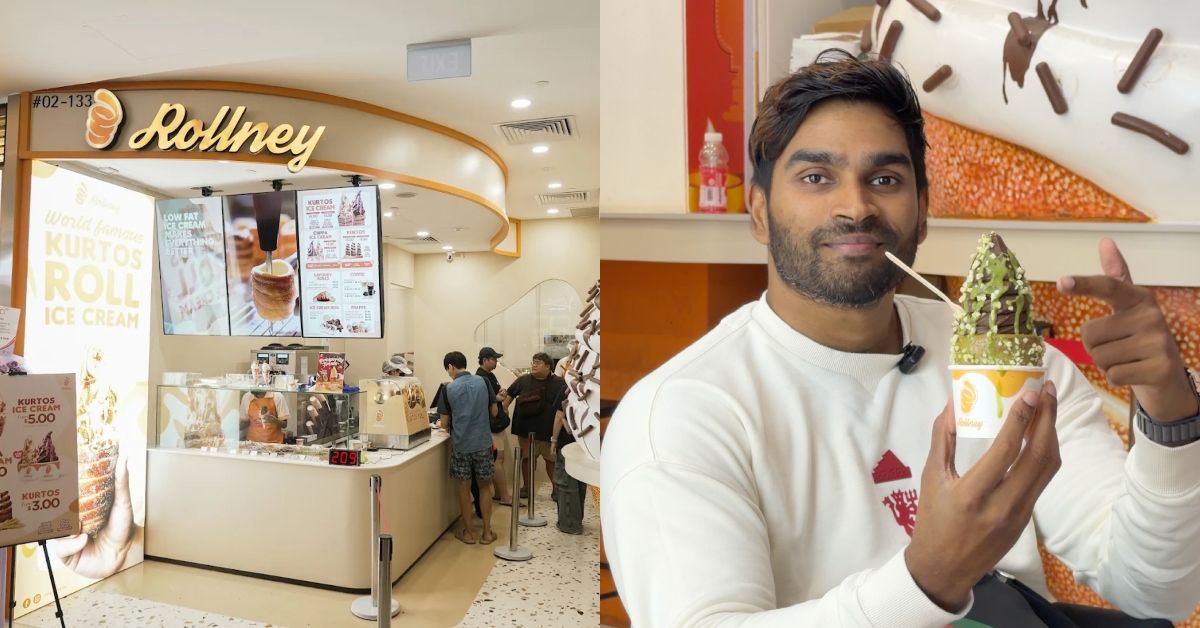
A small dessert business in Singapore faced exactly that wall. Rollney, a chimney cake brand, saw its profit margin collapse from 28% to 6% in two years. Instead of opening more physical stores, they bet on robotic vending machines. That one decision turned a struggling outlet into a four-stream business.
The names, flavours, and country may differ — but the pattern is painfully familiar for Malaysian SMEs. Before you sign that next lease, here’s what Rollney’s story tells you about your own next move.
TL;DR: A one-man F&B operation in Singapore stopped scaling through stores and started scaling through robotic vending machines. By deploying 30 self-contained machines across the city, Rollney reduced its reliance on rent and staffing, while adding new revenue from franchisees and event rentals. The lesson for Malaysian SMEs: automation can unlock growth without expanding your fixed footprint.
What This Means: Selling Without a Storefront
At its core, the Rollney move is about separating your sales channel from your physical premises. A vending machine isn’t just a machine — it’s a miniature store that runs without a cashier, a waiter, or a landlord’s long-term commitment. If a location underperforms, you pick it up and move it elsewhere. If it performs well, you deploy more units nearby.
That’s the quiet radical idea here. Most SMEs think of growth as “another branch.” But branches come with three-year leases, renovation budgets, and a hiring pipeline. Machines come with a smaller footprint, predictable maintenance, and the freedom to test multiple locations at the same time.
“It doesn’t matter if you’ve got a good product, a fun store or a nice concept. It doesn’t mean people will just come in and buy. Awareness is the biggest key for everything.” — Narresh Babu, Rollney Singapore
Rollney didn’t just put ice cream in a box. They installed a robotic arm that makes the ice cream while the customer watches. That spectacle itself becomes a marketing asset — a reason for people to film, share, and queue. For a small business, the machine is simultaneously a point of sale, a billboard, and a conversation starter.
How This Applies to Malaysian SMEs
Malaysia’s retail landscape is full of small brands that would love to expand but are stuck because mall rental economics don’t favour a second boutique, café, or speciality shop. The Rollney model offers a middle path: keep one flagship location for your brand story, and put lower-cost automated units everywhere else. You can test a neighbourhood, a college campus, or a startup office park without committing years of rent.
Consider a local specialty coffee roaster. The roasting happens in a workshop, the flagship café builds the brand, but what if the actual “store” becomes a self-serve espresso kiosk in three different office lobbies? Or a local bakery that moves stale pastries at the end of the day through a vending machine placed near a LRT station? The machine doesn’t need a full menu — it just needs your bestseller.
Then there’s the franchise twist. Rollney didn’t only sell dessert through its own machines; they also sold the machine itself as a business package, with maintenance and refills handled by the company. That transformed a fixed cost into a service-based revenue stream. For Malaysian SMEs, this could mean offering your automated system to other businesses — think of a self-service laundry operator packaging their model, or a hair salon offering a “robot hair washing” station to other salons. The product you sell changes from “one dessert” to “a proven way to operate.”
Finally, think about Malaysia’s geography. Our cities are dense, but our distribution is uneven. A vending machine can sit in a 24-hour security guard post or a petrol station in a small town where a full retail outlet wouldn’t survive. The low fixed cost of these machines means you can afford to serve smaller communities profitably. You’re no longer chasing foot traffic — you’re letting the machine sit where the customers already are.
Key Numbers From Rollney’s Shift
| Metric | Value | Source |
|---|---|---|
| 2024 profit margin | 25–28% | Vulcan Post |
| 2026 profit margin | 6% | Vulcan Post |
| Vending machines deployed | 30 | Vulcan Post |
| Cups sold to date | 20,000–25,000 | Vulcan Post |
| Monthly sales growth | 3–4% | Vulcan Post |
Practical Takeaways for Your Business
- Audit your fixed costs. List everything you pay for a brick-and-mortar location — rent, utilities, staff. Then ask which of these would disappear if you moved the sales point to an automated unit.
- Find your “vending machine” product. It should be something you can standardise, produce reliably, and serve with zero or minimal interaction. If you have a product that’s already grab-and-go, you’re one step closer.
- Start with one pilot unit in a location you already know. Don’t build a whole fleet until you’ve learned the maintenance rhythm, the peak hours, and the tech failure points.
- Build awareness separately from location. As Rollney found, a good product in a store won’t fill the store on its own. Use social media to show the automated unit in action — the novelty itself becomes the draw.
- Prepare a relocation plan. One of the biggest advantages of a machine over a store is movability. Set a 30- or 60-day performance threshold; if the unit doesn’t meet it, move it to a new spot. Track the results for each location.
- Consider selling the model, not just the output. Once your automated unit works, other business owners might want to buy the system from you. That’s a separate revenue stream with almost no new product development.
The Bigger Picture: Asset-Light Is the New Growth
The Rollney story is not about vending machines specifically. It’s about a mindset shift from “how many stores can I open” to “how many ways can I reach a customer without owning a building?” With Malaysia’s minimum wage rising and service charges routinely under fire, the competitive edge will come from businesses that can serve the same product with less human intervention. That trend isn’t a fad — it’s the logical endpoint of rising land prices and a shrinking workforce.
For the next decade, your expansion plan might look less like a map of shopping malls and more like a network of automated touchpoints: kiosks, lockers, robots, and self-serve counters. The successful Malaysian SME won’t be the one with the most outlets. It’ll be the one with the most flexible ways to make a sale — and the wisdom to know when the next “store” is actually a machine.
Ready to Streamline Your Operations?
Your business should run itself. AutoRunBiz deploys AI agents to automate your daily operations — WhatsApp orders, invoicing, customer follow-ups, and accounting. Book a free 15-min ops audit to see where automation fits your business →