
Why Every SME Needs a Clear Safeguarding System
When you run a small business, you may focus on sales, staffing, stock, customer service and daily operations. Workplace safety and employee conduct can feel like matters for larger companies with dedicated human resources teams. However, a serious incident involving a young employee can affect people, operations and your business reputation for years.
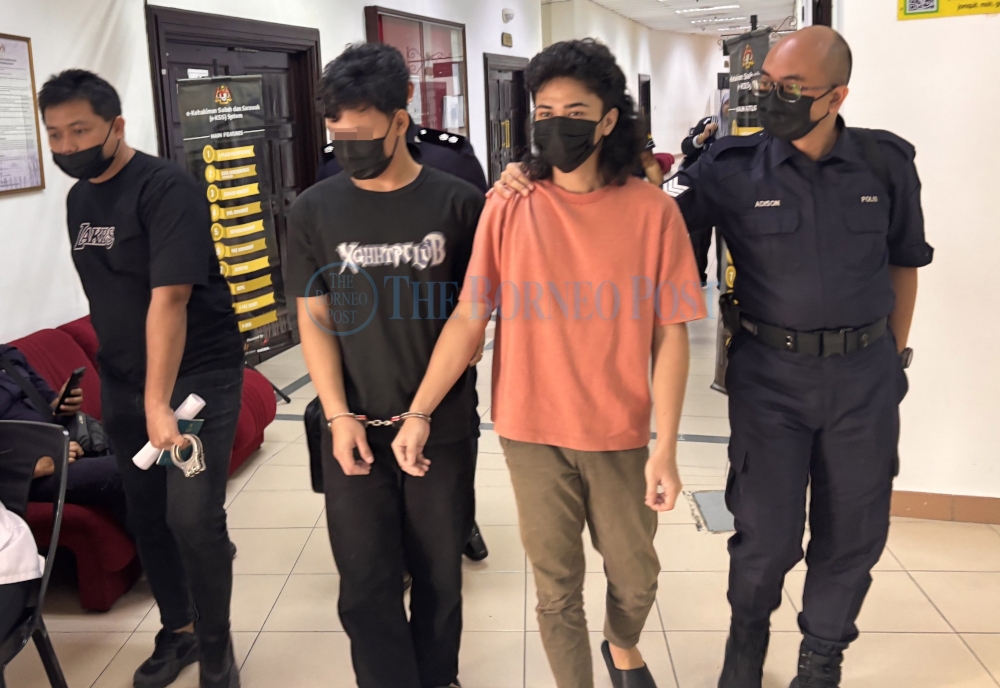
A recent Kuching case shows the seriousness of sexual offences against children. The Sessions Court sentenced two men to 10 years in prison and six strokes of the cane each after they pleaded guilty to sexually assaulting a 16-year-old girl. One accused also received an additional three-year sentence for possessing child sexual abuse material. The offences were prosecuted under Malaysia’s Sexual Offences Against Children Act 2017. Source: Malay Mail
The lesson for you is not only about criminal punishment. It is about whether your business has practical safeguards when employees are young, when staff share accommodation, when workers operate without supervision or when complaints are made. A written policy is useful, but it must be supported by daily habits and a reporting process people can trust.
TL;DR
Protecting young workers requires more than asking employees to “be careful”. You need clear conduct rules, safer work arrangements, proper reporting channels and prompt action when concerns arise.
Even a small Malaysian business can introduce these controls using simple checklists, named contacts and documented procedures.
What This Means
Safeguarding means taking reasonable steps to protect employees, trainees, interns and other people connected to your business from abuse, harassment, exploitation and unsafe situations. It covers prevention, early reporting, response and follow-up.
For an SME, safeguarding may include checking who is allowed to supervise younger workers, avoiding isolated one-to-one situations, separating work duties from sleeping arrangements and making sure employees know where to report inappropriate behaviour. It also means treating reports seriously instead of dismissing them as personal disagreements.
The Kuching case involved a 16-year-old victim and two separate incidents involving different accused persons. According to the report, one accused was the victim’s colleague, while the other incident took place at a house. Police also found nine videos containing child sexual abuse material on one accused’s smartphone. Source: Malay Mail
These details highlight several business risks: colleagues may have access to one another outside normal working hours, staff accommodation can create additional exposure, and personal devices may be used to store or share illegal material. You cannot control every private action, but you can reduce workplace risks through clear boundaries, supervision and escalation procedures.
A small business does not need a large HR department to build basic safeguarding. It needs clear rules, responsible supervisors and a reporting process that works when people are under pressure.
How This Applies to Malaysian SMEs
Retail, food and beverage businesses often employ younger workers, part-timers, interns and temporary staff. Employees may close a shop late at night, travel together after shifts or share cramped back-of-house areas. You should define acceptable conduct clearly, prohibit sexual comments and unwanted physical contact, and ensure supervisors understand that “just joking” is not a defence for inappropriate behaviour. If an employee is under 18, consider assigning duties in pairs or visible areas rather than leaving that person alone with a colleague in a closed room.
Restaurants, hotels and service businesses may also employ foreign workers and provide or arrange accommodation. Workplaces that offer hostel rooms, rented houses or shared transport need additional controls. Set written rules about visitor access, room entry, curfews where appropriate, alcohol and respectful behaviour. Make sure an employee can contact a manager privately without needing to ask a roommate or supervisor for permission. Language matters too: explain policies in languages your workers understand, and use simple examples rather than legal wording alone.
Construction, workshops, farms and field-service companies frequently place small teams at remote sites. A junior worker may depend heavily on an older colleague for transport, tools, accommodation or daily instructions. This creates a power imbalance. You can reduce the risk by recording work assignments, using buddy arrangements, scheduling regular check-ins and keeping emergency contact details updated. Supervisors should know that a complaint involving a customer, colleague, contractor or manager must be escalated rather than handled informally.
Businesses that hire interns or students should treat them as people requiring additional care, not simply as extra manpower. Confirm their age and emergency contact, identify a named workplace mentor and explain how to report uncomfortable conduct. Avoid placing an underage person in a private office, vehicle or accommodation arrangement with an adult unless there is a clear operational reason and suitable safeguards. Where uncertainty exists, obtain professional legal or HR advice before proceeding.
Digital conduct also matters. Staff may use WhatsApp groups, shared phones, cloud storage and social media for work communication. Your policy should prohibit sexual images, abusive messages and the sharing or storing of illegal content. Do not ask managers to investigate personal devices casually. Instead, preserve relevant information, restrict access where necessary and refer suspected criminal conduct to the police or qualified professionals.
A Simple Safeguarding Framework for Your Business
| Business area | Basic control | Owner | Review frequency |
|---|---|---|---|
| Recruitment | Confirm identity, age, emergency contact and role boundaries | Business owner or hiring manager | Every new hire |
| Supervision | Use visible work areas, buddy arrangements and scheduled check-ins | Department supervisor | Weekly |
| Accommodation | Set visitor, privacy, room-entry and complaint rules | Operations lead | Monthly |
| Reporting | Provide at least two confidential reporting contacts | Owner or designated officer | Quarterly |
| Digital use | Ban abusive or illegal content and document escalation steps | Manager or IT support | Every six months |
The table is a practical starting point, not a substitute for professional advice. Your obligations may differ depending on the employee’s age, nationality, role, accommodation arrangement and the facts of an incident. When a matter may involve a criminal offence, do not attempt to conduct a private settlement or pressure anyone to remain silent.
Practical Takeaways
- Write a short conduct policy. Cover sexual harassment, unwanted touching, intimidation, bullying, digital content and retaliation against anyone who reports a concern.
- Name two reporting contacts. One should not be the direct supervisor, because the supervisor may be involved in the complaint.
- Use a simple reporting form. Record the date, time, location, people involved and immediate safety concern. Keep access restricted.
- Protect the person who reports. Separate people where necessary, adjust shifts temporarily and avoid forcing the complainant to explain the matter repeatedly.
- Escalate suspected crimes quickly. Contact the police or obtain legal advice when the allegation involves sexual assault, a child, threats, blackmail or illegal images.
- Train supervisors. Tell them to listen calmly, avoid blaming questions, preserve information and report the matter to the designated contact.
- Review young-worker arrangements. Check late shifts, transport, shared accommodation, isolated duties and access to private rooms.
- Keep records securely. Store policies, acknowledgements, training attendance and incident reports with limited access.
What To Do If Someone Reports an Incident
First, check whether the person is in immediate danger. Move them to a safe and private place, arrange medical attention where needed and contact the relevant authorities if there is a suspected offence. Do not promise absolute secrecy; explain that information will be shared only with people who need it to protect the person and respond properly.
Next, write down what was reported using the person’s own words as far as possible. Avoid interrogating them, confronting the accused or asking staff to gather evidence themselves. Preserve relevant CCTV, attendance records, messages and duty rosters without editing them. Seek advice from the police, a lawyer or an appropriate specialist organisation.
Finally, manage workplace rumours and retaliation. Tell staff that intimidation, gossip and punishment for making a good-faith report are unacceptable. Maintain privacy, but do not hide a serious matter simply to protect the business’s image.
The Bigger Picture
For Malaysian SMEs, safeguarding is becoming part of responsible business management. Employees and job applicants increasingly assess whether an employer provides a respectful and safe workplace. Customers, landlords, schools and business partners may also ask how you manage staff welfare and complaints.
The long-term benefit is operational clarity. When everyone knows the boundaries, supervisors know what to do and employees know where to seek help, problems are more likely to be identified earlier. This does not guarantee that misconduct will never happen. It gives you a better chance of responding quickly, protecting people and demonstrating that your business takes its responsibilities seriously.
Review your arrangements this week. Identify your reporting contacts, inspect any staff accommodation, check how young employees are supervised and confirm that managers understand the escalation process. These are small administrative steps, but they can make a significant difference to the people who work for you and to the trust placed in your business.
Ready to Streamline Your Operations?
Your business should run itself. AutoRunBiz deploys AI agents to automate your daily operations — WhatsApp orders, invoicing, customer follow-ups, and accounting. Book a free 15-min ops audit to see where automation fits your business →