
Your Biggest Business Risk Isn’t a Competitor — It’s Your Partner
Think about your main customer channel. Is it your GrabFood storefront? Your Shopee listing? Your Google Maps profile? Now imagine waking up tomorrow to find that channel is vanishing. The fee structure changes. The algorithm buries your listing. Or worse, the platform decides it can do what you do, but better.
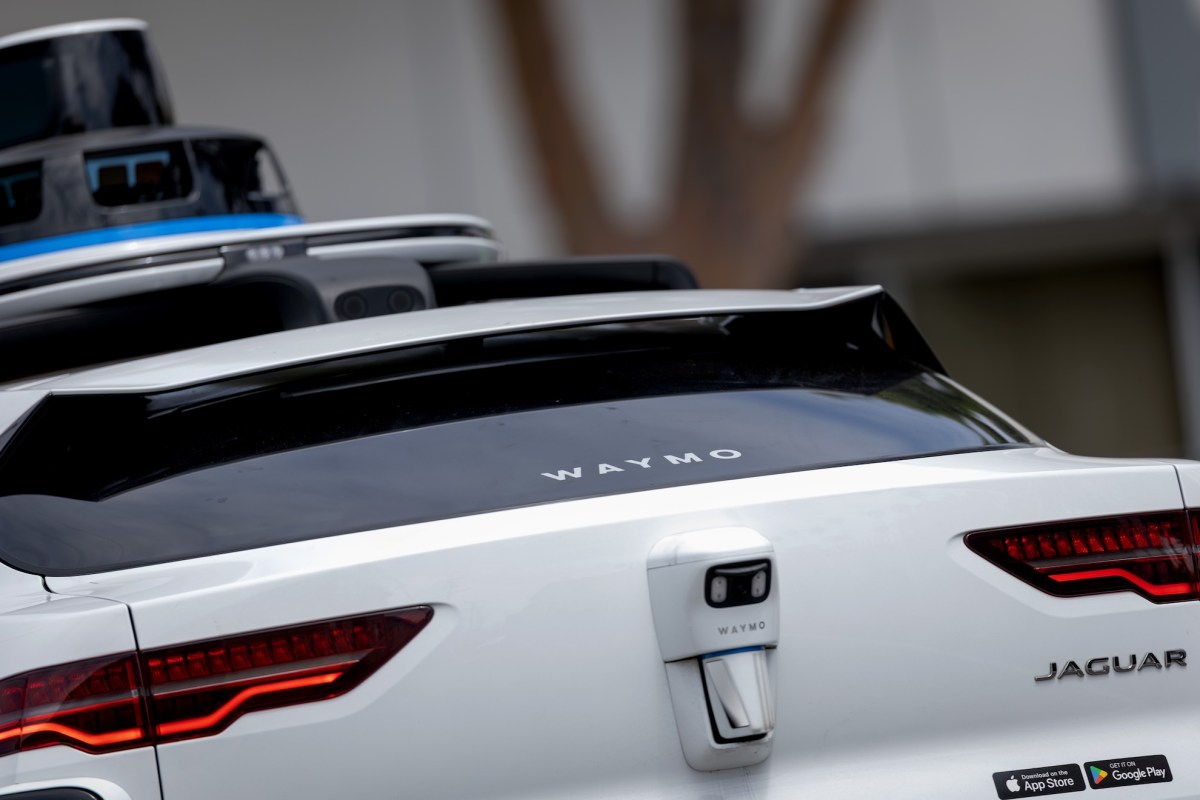
This isn’t a hypothetical exercise for business owners in the US right now. Waymo, the Alphabet-owned company behind the most advanced robotaxis, is reportedly looking to break up with Uber [Source: TechCrunch]. Currently, Waymo’s self-driving cars are available through the Uber app in Austin and Atlanta. Soon, Waymo wants its own app. It wants to talk directly to the rider. It wants the customer relationship back.
This is the exact same tension you face as a Malaysian SME owner. The only difference is the scale. Waymo has billions of dollars to build its own app. You have a business to run and a family to feed. But the strategic lesson is identical: if you don’t control the channel between you and your customer, you don’t really control your business.
TL;DR
- Waymo wants out of its Uber deal because Uber owns the rider relationship. Waymo is tired of being just a supplier.
- Malaysian SMEs face this exact dynamic daily on Grab, Shopee, Foodpanda, and Google. Your revenue is rented from the platform.
- Building a direct channel (even a simple one) is the only way to guarantee your business isn’t held hostage by a partner who can turn into a competitor.
What This Waymo-Uber Drama Actually Means
Let’s strip away the robotaxi hype. Waymo provides a service (a ride). Uber provides a network (users). For years, this was a fair trade. Waymo built the tech, Uber found the passengers. Now, Waymo is looking at the numbers and realizing that Uber is building the brand equity. Uber knows where the passenger lives, where they go, how much they spend. Waymo just gets a wholesale price for the ride.
According to reporting from TechCrunch, tensions have been simmering for months. Uber’s CTO called Waymo’s driving behavior “scary” [Source]. Waymo has backed policy fights against Uber. The partnership is cracking. Waymo decided it would rather invest in its own app and own the relationship directly, even if it means losing the volume Uber provides.
This is the textbook definition of “strategic disintermediation.” It is the supplier deciding they don’t need the middleman anymore because the middleman has become too powerful. The warning for you is written in bright neon lights.
“If you are a Malaysian SME owner relying on a single aggregator for your revenue, you haven’t built a business. You have built a rental unit in someone else’s shopping mall.”
How This Applies Directly to You (The Malaysian SME)
1. You Are Waymo, and Grab/Shopee is Uber
You pour your heart into your product. You source local ingredients, design your packaging, train your team, and perfect your service. The platform does none of this. But when a customer clicks “Buy” or “Order”, who gets the data? Who gets the email address and the browsing history?
The platform does. You get an order slip. This is the exact same dynamic that is pushing Waymo to leave Uber. Waymo realized it was building the engine for a car it didn’t drive. You must realize that your sales on platforms are building the platform’s value, not exclusively your own. If Grab decides to open a cloud kitchen serving your cuisine, they already know exactly who your customers are and what they like. You have zero defense.
2. The “Partner as Competitor” Risk is Real
The TechCrunch report highlights how Waymo and Uber have ended up on “opposite sides of fresh policy fights” [Source]. The partner became a rival. In Malaysia, we see this happening continuously. E-commerce platforms launch their own house brands using data from third-party sellers. Delivery apps shift their model to prioritize partnerships over individual sellers.
You cannot assume the platform has your best interest at heart. Their fiduciary duty is to their shareholders, not to your family business. Your goal is to reduce the power they have over your fate.
3. Automation is Your Ticket Out of the Trap
Why don’t most SMEs just build their own sales channel? Because it sounds expensive and complicated. But business automation has changed this completely. Waymo needs a $100 million app because they have a complex marketplace. You don’t.
You just need a direct line to your customer. An automated WhatsApp chatbot that takes orders. A simple booking system on your website. A CRM that tracks your regular customers so you can message them directly when you have a new product. This is your “Waymo app.” It is your direct channel. It costs a fraction of the commissions you pay to aggregators every month.
Renting vs. Owning: The Real Cost of Your Channel Strategy
| Aspect | Aggregator Dependency (Renting) | Direct Channel (Owning) |
|---|---|---|
| Customer Data | Platform owns the data. You fulfill orders. | You own the data. You own the relationship. |
| Business Stability | Subject to algorithm changes, sudden fee hikes. | Predictable. You control the terms of engagement. |
| Competition | You compete on price next to dozens of clones. | You compete on experience and personalisation. |
| Long Term Value | You build the platform’s brand value. | You build your own brand equity. |
Practical Steps: How to Build Your Own “App” Today
You don’t need to leave the platforms. That is your volume. But you must start building your own infrastructure immediately. Here is a simple checklist:
- Audit Your Dependency Ratio: Look at your last three months of revenue. What percentage came from a single aggregator? If it is over 40%, your business has a critical single point of failure.
- Capture Every Customer Contact: Every single customer that orders from you online should have the option to join your own list. A simple “Follow us on WhatsApp for exclusive deals” on your packaging or receipt is a start. Respect their privacy, but ask for the connection.
- Automate a Simple Direct Order Path: A WhatsApp business link or a simple Google Form linked to your workflow is often enough for a small SME. Make ordering direct just as easy as ordering on Grab.
- Incentivize the Switch: Offer a small loyalty benefit for customers who book directly. It doesn’t have to be a discount (no cost talk!). It can be a “Direct customers get first access to our new menu” or a free small side item.
- Diversify Your Platform Risk: If you are only on Shopee, add a website or a TikTok shop. If you are only on Grab, explore delivery via WhatsApp or your own website. Spread the risk.
The Bigger Picture: Control is the Only Moat
The Waymo-Uber split is a canary in the coal mine for the entire platform economy. As AI and automation tools become more accessible, the middleman’s value is shrinking. The companies that own the product and the customer relationship will be the ones that survive the next decade.
For the Malaysian SME owner, this is your moment. The tools to own your channel have never been cheaper. Automation (the kind of work we help you with at AutoRunBiz) is the key. You can automate bookings, follow-ups, inventory, and marketing. All of this builds a system that works for you, not for a platform’s quarterly report.
Don’t let your business be the Waymo that waits too long to kick the Uber habit. Start building your direct path now. The platform that helps you today could be your biggest competitor tomorrow. Own your customer, own your future.
Ready to Streamline Your Operations?
Your business should run itself. AutoRunBiz deploys AI agents to automate your daily operations — WhatsApp orders, invoicing, customer follow-ups, and accounting. Book a free 15-min ops audit to see where automation fits your business →