
You run a Malaysian SME. You wear all the hats. You live for tools that save you time. Automate the invoices. Automate the follow-ups. Automate the social posts. It is the only way to survive without a massive team.
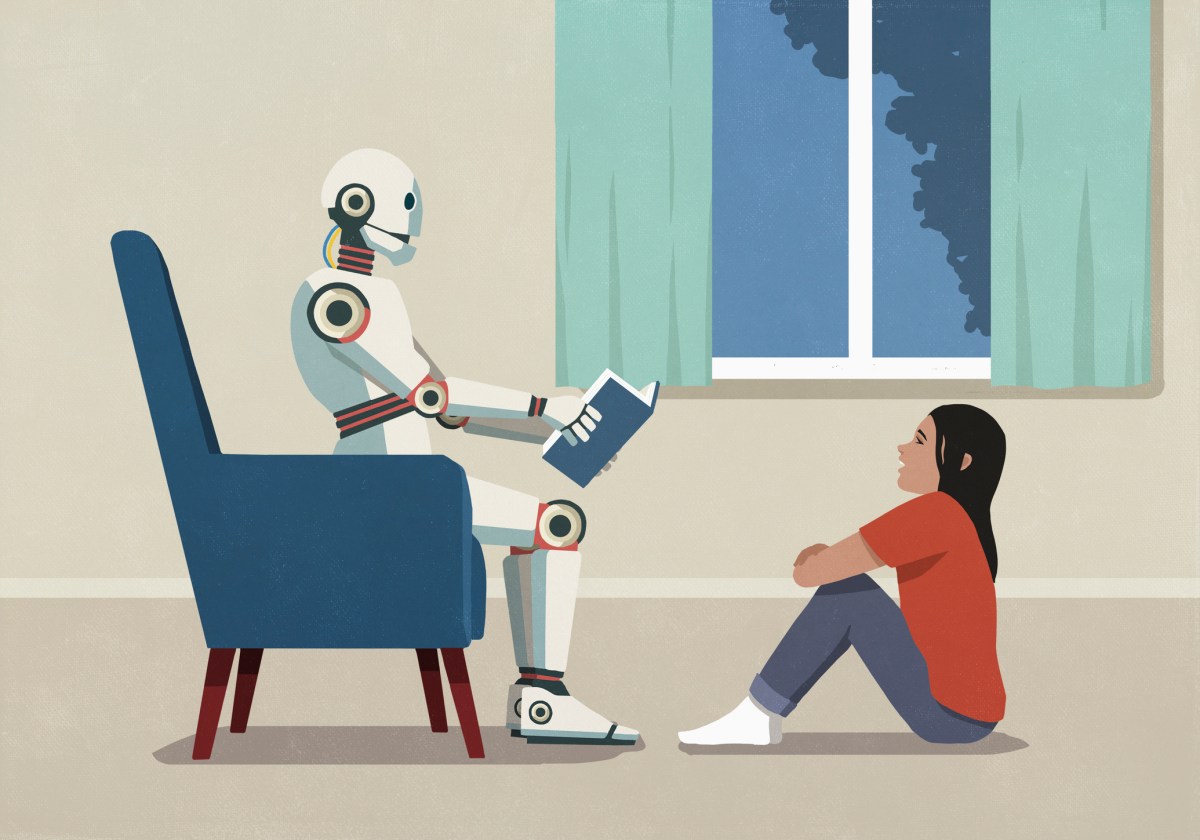
Meta just launched a new app—StoryKit. It writes bedtime stories for your kids. It comes with the tagline that “you don’t need to write a single word.” (Source: TechCrunch)
On the surface, this has nothing to do with your business. But look closer. This app perfectly illustrates the biggest trap in SME automation: removing the soul from the process. If your business runs on AI-generated scripts, stories, and responses that lack your unique Malaysian voice, you aren’t saving time. You are erasing the very thing your customers pay for—your judgment, your personality, and your connection.
TL;DR
Meta’s StoryKit automates the deeply personal act of storytelling. For your SME, this is a stark warning. Marketing automation that lacks your local cerita, customer service bots that cannot empathize, and internal processes stripped of culture are pitfalls. The goal of automation should be to amplify your human strengths, not replace them with generic outputs.
What This Means: The Engine Behind the Story
StoryKit, first spotted by 9to5Mac and confirmed by TechCrunch, uses generative AI to create a personalized narrative. You snap a photo of a toy to create a character. You describe a world and choose a moral lesson. The AI writes the story and even adds music. A Meta spokesperson described the app as focusing on “creative storytelling” with AI safety filters and no social features. (Source)
The technology is impressive. The ambition is enormous. Meta is essentially trying to outsource “humanity’s oldest pastime: using our imaginations.” (Source) The parent becomes an operator of a machine rather than a storyteller.
For your business, how many of your “AI generated” outputs are you publishing without adding your own imagination, experience, or local context? Are you the storyteller, or just the operator pressing “generate”?
How This Applies to Malaysian SMEs
1. Your Brand Voice is Your Bedtime Story.
Malaysian customers are fiercely loyal to brands that feel close to them. Whether you run a kedai runcit, a digital marketing agency, or a logistics firm, your brand voice is the “story” you tell. If you use AI to write your marketing content without deeply editing it, you are telling an American story with Malaysian names swapped in. It lacks the texture of the local market. A “story” from StoryKit is generic and safe. A story from your business must feel like it comes from the neighbourhood shopkeeper who knows your name. TechCrunch worries about “outsourcing moments of connection to reading AI-generated scripts.” (Source) Your customers feel the same way about generic marketing emails.
2. Customer Service is Your “Moral of the Story”.
Every interaction with your business teaches a customer a lesson. If your automated systems are designed purely for efficiency, the lesson is “we value our time more than yours.” In the Malaysian context, where picking up the phone or meeting face-to-face builds deep trust, a fully automated wall is damaging. The article explicitly warns against an “antisocial and bleak” vision of the future driven by this type of automation. (Source) Your automation must have a clear, warm human escape route. The “story” of your customer service should be one of care, not just efficiency.
3. Internal SOPs and Company Culture.
Onboarding a new employee in a Malaysian SME isn’t just about getting them access to the software. It’s about telling them the story of the company. Who is the tauke? What are the unwritten rules? What is the history? If you replace this entirely with an AI-generated training video, you lose the folklore. You lose the “imagination” of the company. The most successful SMEs in Malaysia have a strong culture shared through stories. Automation must support the culture, not replace the conversations that build it.
4. The “Custom Character” Trap.
StoryKit lets you personalize by snapping a photo of a toy. It is surface-level personalization. A lot of SME automation suffers from this same problem. You use a merge tag for the customer’s name and call it a day. True personalization in the Malaysian SME world means knowing that Mr. Tan in Penang is different from Ms. Lim in Johor. It means understanding buying habits without needing the customer to explain themselves every time. AI can help you detect these patterns, but the insight—the imagination—to understand why they behave this way is still a human skill. Don’t let your automation stop at the surface.
“The good news about StoryKit is that it could be a lot worse… But do we really want to reject a chance at whimsy and silliness and instead outsource these moments of connection to reading AI-generated scripts from our smartphones?” — TechCrunch on Meta’s StoryKit.
Ask yourself: Are you rejecting the chance for connection with your customers by outsourcing your communication to AI-generated scripts?
Practical Takeaways for Your SME
Here is how you use the tools without losing the soul:
- Never ship raw AI output. Treat AI like a junior assistant. It drafts, you direct. Add your specific Malaysian context, humour, and quirks.
- Run the “Bedtime Story Test.” Read your automated messages out loud. If they sound flat, generic, or like they could apply to any business in any country, rewrite them.
- Build an “Escalation Culture”. If a customer needs a human, the path should be obvious and fast. Don’t make them fight the machine. The moment a customer feels unheard, your “story” fails.
- Document Your Cerita. Actively capture the stories of your business. The founder’s struggle, the funny customer requests, the wins. Feed these into your brand voice. This is your unique IP. AI cannot invent your history.
- Audit for “Soul”. Look at your entire customer journey. Which touchpoints feel like an AI fairy tale (complicated plot, no heart)? Which feel like a genuine conversation? Fix the balance.
The Bigger Picture: The Commoditization of Connection
The fundamental trend in AI is the commoditization of creativity and information. StoryKit proves that almost any narrative can be generated. The business implication is profound. If anyone can generate a “good enough” story, email, or script, what becomes valuable? Authenticity becomes the premium.
The Malaysian SMEs that thrive in the next five years won’t be the ones that adopt AI the fastest. They will be the ones that use AI to handle the boring, repetitive “plumbing” of business, freeing themselves up to invest deeply in the parts that require human imagination: strategy, relationship-building, and brand soul.
Don’t let your business become the equivalent of a soulless AI bedtime story. Technically correct. Perfectly formatted. Completely forgettable. The market is too competitive, and your customers are too smart for that.
Assessment: Where is Your Automation on the “Soul Scale”?
| Area | The “StoryKit” Approach (Avoid) | The Human-Centric Approach (Adopt) |
|---|---|---|
| Marketing Emails | Generic AI-written copy, no local context | AI drafts, you infuse local cerita and humour |
| Customer Chatbots | Scripted answers, hard to reach a human | Guides the user with an easy route to “call the tauke” |
| Employee Onboarding | Entirely automated, no human touch | Blended: SOPs by AI, Culture by a Mentor |
| Product Descriptions | Generic features list from a global model | Story of the product, local usage, personal experience |
The technology is just a tool. The story—the soul—is still yours to tell. Make sure you are telling it.
Ready to Streamline Your Operations?
Your business should run itself. AutoRunBiz deploys AI agents to automate your daily operations — WhatsApp orders, invoicing, customer follow-ups, and accounting. Book a free 15-min ops audit to see where automation fits your business →