
Your riders are quitting and your delivery costs are rising. What if you didn’t own a single bike?
You know the pain: a customer orders at 2 p.m., expects delivery by 2:30, and your only rider is stuck in traffic with a sputtering scooter. You’ve thought about buying more bikes, but that means capital, maintenance, and more riders to manage. Then the rider quits and your bikes sit idle. It’s the same story we hear from Malaysian SME owners in food, retail, and e-commerce every day.
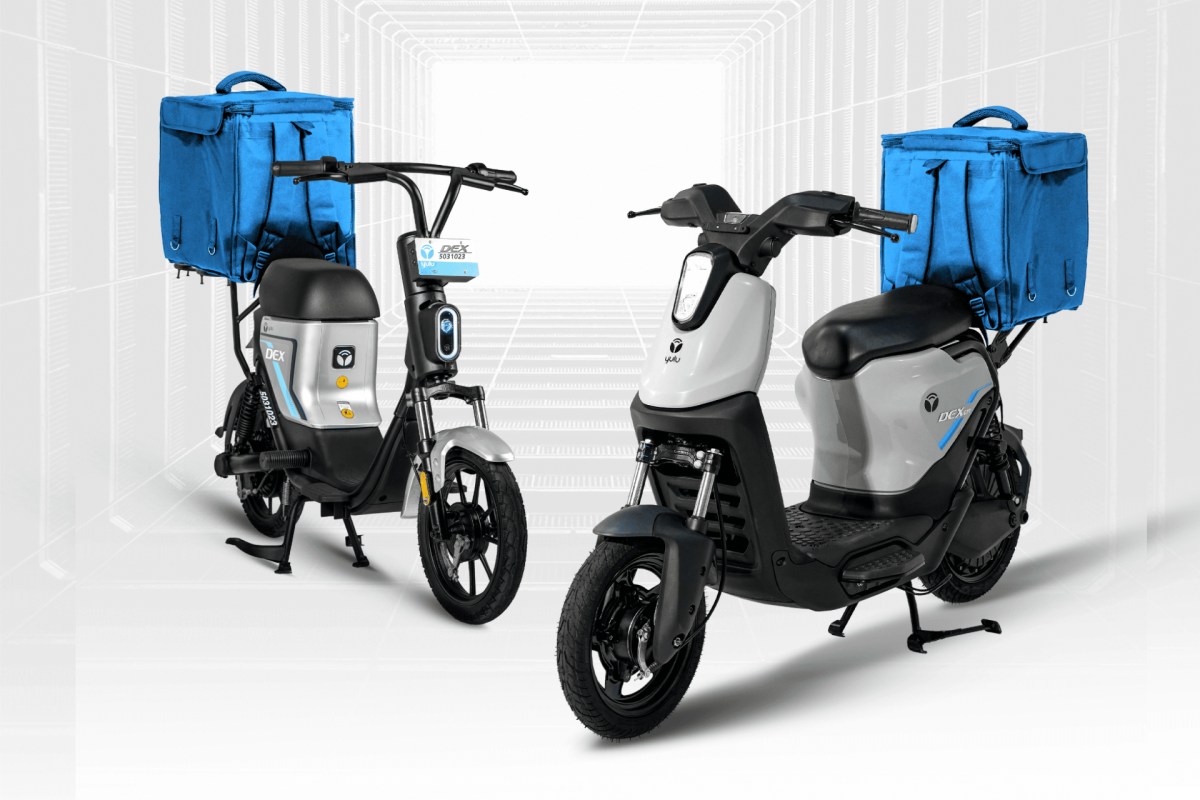
Meanwhile, across the ocean in India, a startup called Yulu has built a completely different approach. Instead of selling e-bikes or asking delivery workers to buy their own, Yulu rents electric two-wheelers to gig workers on a weekly subscription. No down payment, no maintenance headache, no fuel cost. The rider gets a working bike, Yulu handles the fleet, and platforms get faster deliveries.
Yulu just raised a major new funding round to scale this model threefold. Here’s why Malaysian SME owners should care—and what you can copy without being a tech company.
TL;DR
- Yulu operates 50,000 subscription e-bikes and powers over 750,000 deliveries daily in India.
- The model is “asset-light”: delivery workers rent bikes weekly, while Yulu manages maintenance, swapping, and telematics.
- Malaysian SMEs can adapt this by shifting from owning delivery bikes to renting/subscribing to e-bikes, or by fully automating their existing fleet’s scheduling and rider management.
What This Means
Yulu started as a bike-sharing service for commuters, then pivoted hard during the pandemic. As India’s quick-commerce platforms raced to deliver groceries and phones in minutes, Yulu positioned itself as the “AWS of mobility” — meaning it supplies the infrastructure (e-bikes) that lets delivery platforms and gig workers operate without directly owning anything. The startup currently has around 50,000 vehicles in its fleet, logs about 1.6 million zero-emission miles weekly, and handles over 750,000 deliveries a day. It plans to grow to 200,000 bikes in two years.
That means India’s quick-commerce boom didn’t just come from consumer demand — it came from changing the structure of how delivery capacity works. Rather than every restaurant or store buying its own scooter, a single operator provides the bike, the battery, and the maintenance. The delivery worker pays a small weekly subscription and gets to work immediately. The platform gets a reliable rider network with fewer middlemen taking a cut.
“Yulu’s model is proof that you don’t need to own assets to build a reliable delivery operation. You need a system that keeps riders moving and vehicles in good condition.”
How This Applies to Malaysian SMEs
1. You can test e-bikes without buying a whole fleet. Malaysian SMEs don’t need 200,000 bikes to benefit. If you run a food delivery restaurant, a flower shop, or a small logistics company, look for local e-bike rental or subscription services. In Klang Valley, several companies now offer electric scooters on a monthly subscription with maintenance included. By switching on a few riders, you can compare the operational efficiency before committing to any purchase. You reduce your risk, your riders don’t worry about spark plugs or engine oil, and your vehicles stay charged instead of queuing at the petrol station.
2. Automate your fleet tracking and rider schedules. Even if you keep your existing bikes, Yulu’s other advantage is data. Their bikes are connected — they know where each vehicle is, its battery level, and when it needs maintenance. Malaysian SMEs can replicate this with off-the-shelf GPS trackers and delivery scheduling software. For example, use a simple dispatch system that assigns orders to the nearest rider and tracks delivery times automatically. You don’t need to over-engineer it. Just make sure your riders are visible on a map, and your paperwork is generated automatically. This is where business automation tools come in: reducing manual calls, WhatsApp ping-pong, and Excel sheet tracking.
3. Consider the “subscription rider” for seasonal peaks. In Malaysia, festive periods like Hari Raya, Chinese New Year, and 11.11 create huge spikes in delivery demand. Buying bikes or hiring extra permanent riders for those weeks is wasteful. A more practical approach is to work with part-time riders who already have their own e-bikes, or rent additional capacity from a subscription fleet. You pay per use, not for a depreciating asset that sits idle in March. This keeps your operation flexible and your staff lean.
4. For logistics SMEs serving quick-commerce platforms, the “infrastructure play” matters. If you supply riders to platforms like Grab, Foodpanda, Shopee, or TikTok Shop, you don’t have to own every bike. Partner with e-bike leasing companies and pass the maintenance risk to them. Focus instead on your core strength: rider coordination, quality control, and on-time delivery rates. In Malaysia, the adoption rate of electric two-wheelers is still early, but the demand for fast delivery is already here. Those who can offer a sustainable and cost-effective rider experience will win platform contracts.
Practical Takeaways
- Do a simple fleet audit: How many deliveries per bike per day? Which riders are underperforming? Where are the delays? Use data, not guesswork.
- Pilot an e-bike subscription for 1–2 months in a single area (e.g., Petaling Jaya or Georgetown). Measure rider satisfaction and delivery time before scaling.
- Automate your dispatch: If you’re manually assigning orders, switch to a simple dispatch app that shows you live rider locations and calculates the best route.
- Set a maintenance protocol: If you own bikes, put a reminder system in place for service intervals. Yulu’s magic is that riders never think about maintenance; you can copy that by having a fixed weekly check-up slot.
- Partner, don’t build: Don’t try to build your own charging stations or battery swap network. Use existing e-bike rental operators, or use courier aggregation platforms that supply riders as a service.
The Bigger Picture
Yulu’s growth is not just an Indian story. It reflects a global shift in how delivery ecosystems are structured: from owning assets to orchestrating them. The long-term winner in last-mile delivery won’t be the person with the biggest garage of motorcycles — it will be the person who can match the right rider to the right order at the right time. That skill is pure software and management, not vehicle ownership.
For Malaysian SMEs, the takeaway is to start small but think systematically. Experiment with e-bike subscriptions if they make sense for your geography. Automate your dispatcher and driver records. And remember that the future of delivery isn’t about what you own — it’s about how well you control and coordinate the resources you rent, borrow, or subscribe to. Yulu’s scale from 50,000 to 200,000 bikes shows that when the infrastructure is simple and the pricing is predictable, rapid growth is possible. Your operation can grow similarly, without needing millions in funding, just by adopting the same mindset.
The pieces are already available in Malaysia. You just need to stop asking “how many bikes should I buy?” and start asking “how do I make my delivery system run itself?”
| Yulu’s Model | What Malaysian SMEs Can Learn |
|---|---|
| Weekly subscription e-bikes for riders | Try rental or lease models before committing capital to vehicle purchases |
| 50,000 vehicles, 750,000+ deliveries per day | Scale delivery capacity without owning assets — use aggregated rider networks |
| Low-speed bikes now, high-speed scooters next | Match vehicle type to delivery distance and parcel size |
| Data-driven route and battery management | Use a delivery management platform to track riders and automate tasks |
If you’re an SME in Malaysia looking to automate your delivery or fleet management, our team at AutoRunBiz can help you move from manual tracking to a controlled, visibility-driven operation. It doesn’t require a Silicon Valley budget — just a willingness to trust the software and let your riders focus on driving.
Ready to Streamline Your Operations?
Your business should run itself. AutoRunBiz deploys AI agents to automate your daily operations — WhatsApp orders, invoicing, customer follow-ups, and accounting. Book a free 15-min ops audit to see where automation fits your business →