
Introduction: The Workhorse You’ve Been Waiting For?
If your business relies on two wheels for deliveries, service calls, or daily employee transport, you know the struggle of maintaining a petrol fleet. Between volatile fuel markets, constant oil changes, chain adjustments, and the inevitable breakdowns, managing a fleet of bikes can drain your time and patience. You’ve probably looked at electric scooters, but many just don’t feel “ready for real work.” They feel fragile.
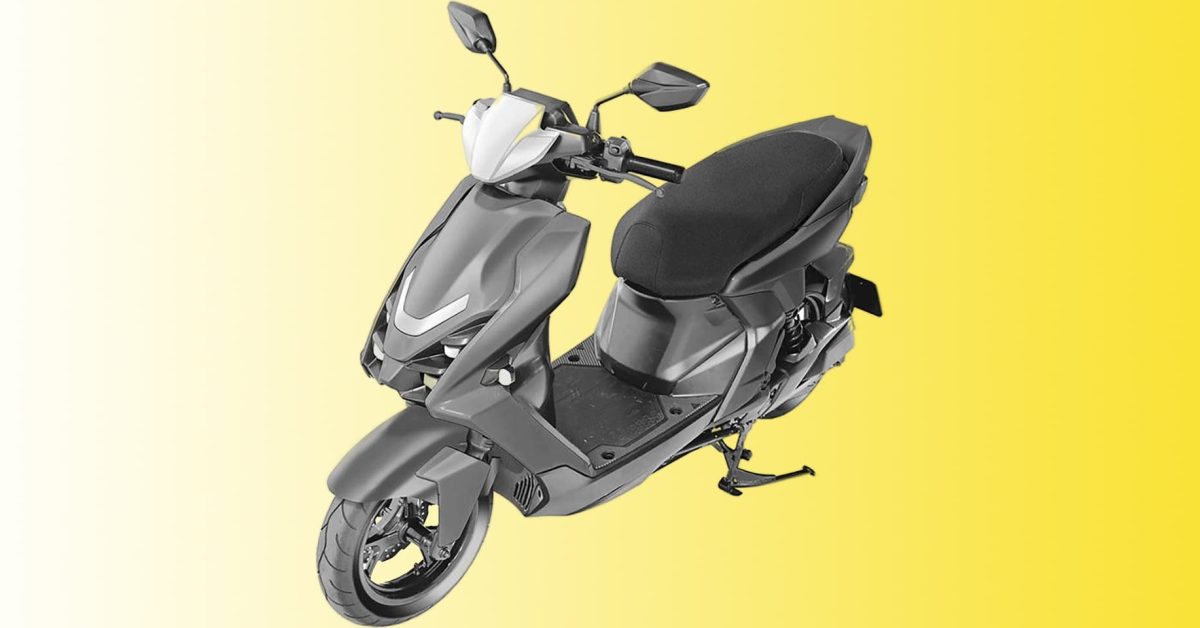
That might be changing. According to recent design filings covered by Electrek, Yamaha is preparing to launch a new electric scooter that looks purpose-built for serious commercial use. This isn’t just another import with questionable parts availability. This is Yamaha, a brand your trusted mechanic already knows inside out. Let’s break down exactly what this means for your SME fleet in Malaysia.
TL;DR: Yamaha’s Electric Gambit For Business Fleets
Yamaha has filed design patents for a production-ready electric scooter. It features a centrally mounted motor driving a belt—not a fragile hub motor—and a swappable battery pack housed under the seat. For a Malaysian SME, this translates to a durable, easily serviceable, and practical electric vehicle option that can genuinely replace your 125cc petrol workhorses.
What This Yamaha Scooter Really Brings to the Table
To understand why this scooter is different for your business, we need to look past the aesthetics. Yamaha’s filing reveals engineering choices that scream “industrial reliability” rather than “weekend gadget.”
The Central Motor. Most budget electric scooters use a hub motor built directly into the rear wheel. This makes the wheel heavy, leading to harsh bumps and expensive wheel replacements if the motor takes a hit from a pothole. Yamaha mounts the motor centrally, driving the rear wheel with a low-maintenance belt. This is how proper motorcycles are built. It means better weight distribution for carrying cargo, smoother suspension, and a motor that can be serviced without replacing the entire wheel.
The Swappable Battery. The battery pack sits under the seat and appears designed for removal, following the pattern Yamaha uses with its NEO’s scooter. For you, the business owner, this is the core advantage. Imagine a dead battery not killing a shift. A rider rolls into a swapping station, swaps a depleted pack for a full one in under a minute, and gets back to delivering. No waiting for a multi-hour charge. This makes electric scooters viable for high-uptime operations.
The Rethought Suspension. Yamaha moved the twin shocks much farther forward and wider apart to clear space for the battery box. This hints that they optimized for load stability and rider comfort. For a daily workhorse carrying a delivery box, this is critical.
How This Applies to Malaysian SMEs
Let’s bring this home. You are running a business in Malaysia. You have riders delivering food, parcels, or going on service calls. How does a design filing from Japan change your operation today?
First, the service network. Yamaha is distributed by Hong Leong Yamaha, a company with one of the most extensive service and parts networks in the country. From Penang to Johor, your mechanic knows Yamaha. When this scooter launches, that same network will support it. This means you won’t be stuck waiting weeks for a spare part. The risk of adopting this EV is drastically lower than buying from an obscure brand with no local support.
Second, the operational fit. This scooter fits the 125cc equivalent class—the sweet spot for B2 license holders in Malaysia. It has the torque to carry a rider and a full delivery box without struggling. The multiple storage compartments and TFT display mean your riders have a practical tool, not a toy. Keyless ignition and modern lighting make tracking and security easier for fleet managers.
Third, battery logistics. If you run a fleet, you can own a pool of batteries. Riders start their shift with a fresh pack. When it runs low, they swap at your central depot or a designated station. This creates a predictable operational rhythm. It removes the worry of “range anxiety” because a depleted battery isn’t a crisis—it’s just a quick swap. This is a direct solution to the biggest problem with electric delivery vehicles: downtime.
“For a Malaysian SME owner, the biggest risk isn’t buying an electric scooter too early—it’s buying the wrong electric scooter early. Yamaha’s move signals a mature, serviceable option built for the long haul.”
Practical Takeaways for Your Fleet
Alright, you see the potential. What do you actually do about this right now?
- Watch for the production confirmation. Design filings mean the launch is very close. Monitor official announcements from Hong Leong Yamaha Malaysia. Don’t commit to a large fleet order for a different EV until you see the final specs of this model.
- Audit your current fleet inputs. Track exactly what your fleet consumes weekly: maintenance downtime, parts replacements, and driver time lost to fueling. This gives you a clear baseline to measure the improved efficiency an EV
Ready to Streamline Your Operations?
Your business should run itself. AutoRunBiz deploys AI agents to automate your daily operations — WhatsApp orders, invoicing, customer follow-ups, and accounting. Book a free 15-min ops audit to see where automation fits your business →