
The AI Trap: When Your Business Voice Starts Sounding Like a Robot
You’re a busy shop owner in Penang, a contractor in Johor Bahru, or a consultant in KL. You’ve got a pile of unread WhatsApp messages, four social media posts to publish, and a customer who’s upset about a late delivery. So you open ChatGPT, type a quick prompt, copy the response, tweak the name, and hit send. It takes 30 seconds instead of 15 minutes. Feels efficient, right?
But something nags at you. A customer writes back: “Eh, this reply sounds like you?” Or a long-time client says your Facebook posts feel “less you” lately. You shrug it off — you’re just using AI to handle the basics. That’s what everyone’s doing. Isn’t it?
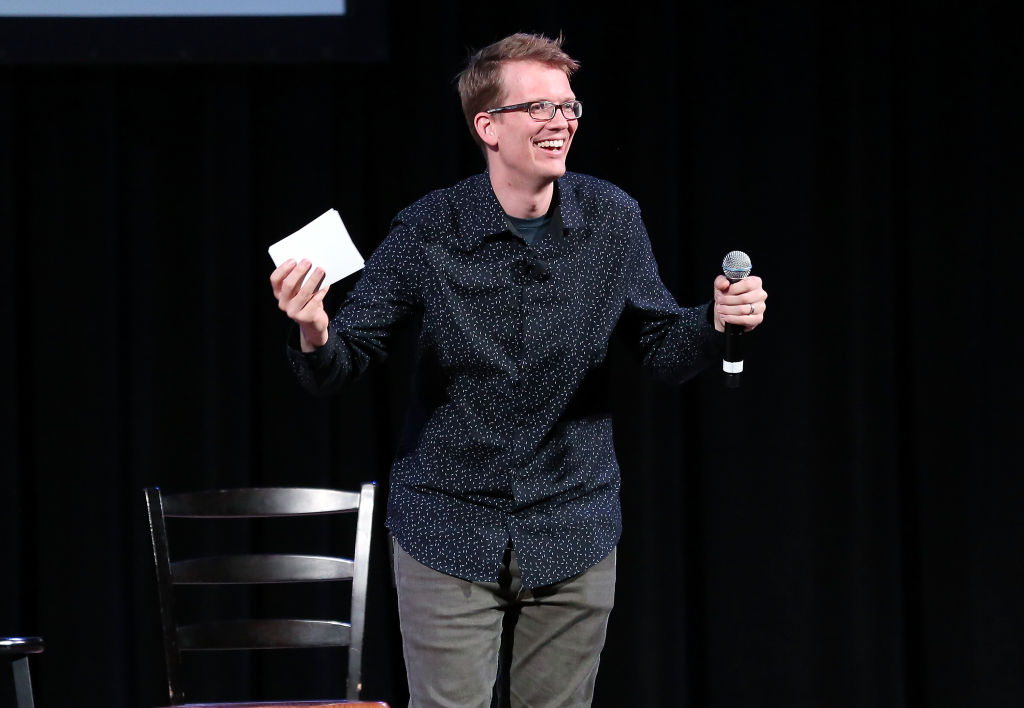
This month, a creator with 3.2 million YouTube subscribers showed us where that path leads. Hank Green, known for deep, thoughtful videos, got caught using ChatGPT during a scriptwriting session. He didn’t steal someone else’s work, and he didn’t publish wrong facts. His mistake was simpler: he let AI get inside his head, and he let his audience feel it.
TL;DR (if you only read this section)
- Hank Green publicly apologised after viewers noticed a suspicious phrase that exposed his reliance on ChatGPT. He called his AI usage “not healthy.”
- For Malaysian SMEs, the risk isn’t about breaking rules — it’s about losing the natural voice that makes customers trust you.
- The fix isn’t to ditch AI. It’s to keep AI in an assistant role, never in the driver’s seat of your brand’s personality.
What This Means: A Lesson From a Story That Embarrassed a Creator
Here’s what happened. Hank Green, a novelist and educator, was making a video for Complexly, an educational channel. In the middle of the script, he said, “I appreciate the pushback.” It sounded like something a chatbot would say in response to a user correcting its output. Viewers suspected he’d copied AI responses straight into his script. Green later apologised on Reddit, explaining that he used ChatGPT only for research, but admitted the production pace had become “careless.”
His most honest words were about the inner feeling: “The level of dopamine I’ve been getting from interacting with LLMs…with doing more and more and more and more…is not healthy for me or good for the world.” He also confessed that he was scared of “ruining myself for people” — losing what makes his work his own.
The typical Malaysian SME owner is not a YouTuber with millions of followers. But you are a public identity in your own market. Your customers talk to you, not a faceless corporation. If you regularly paste AI-generated replies into WhatsApp, email, or your website, you’re on the same path. It may feel like saving time, but you’re also sanding away the rough, real edges of your voice. And people notice.
How This Applies to Malaysian SMEs
Let’s get specific about your day. The most common place Malaysian business owners overuse AI is customer service. You run a small food supply business in Selangor. Every day, you get fifty WhatsApp queries: “Harga ikan siakap?”, “Ada stok?”, “Boleh hantar hari ini?”. You set up an AI auto-reply that answers all of them. Sure, it saves you two hours. But when a regular customer asks a more nuanced question — “Kak, saya nak menu untuk majlis kenduri, boleh suggest?” — your automated voice gives a generic list. The customer feels like they’re talking to a helpline, not to a neighbour. In Malaysia, trust is built on kenalan and personal rapport. A robot tone can silently kill that.
Another big area is content marketing. You’re a boutique hotel owner in Melaka, and you let a chatbot write your Instagram captions. It generates “Immerse yourself in history and comfort in the heart of Melaka.” It’s technically fine. But there are forty other hotel posts in Melaka using the same sentence structure and the same adjectives. Your potential guests scroll past because nothing feels real. Meanwhile, a competitor posts a photo of his uncle fixing a rusty window frame, with the caption “Dato’ Lee’s window still very old school. We try to fix but it’s stubborn. Haha.” That gets likes. Not because AI is bad, but because the human post is true.
Then there’s the one that hurts most: apology and crisis communication. Suppose your online store accidentally sends a customer the wrong product. If you use AI to draft an apology, it might sound polished and corporate. “We sincerely apologise for the inconvenience caused and assure you that we take this matter seriously.” That’s safe but empty. A Malaysian customer would rather read: “Wah, sorry ya, my staff auklat packing. I’ll personally send you the right one by tomorrow.” The use of AI is not wrong. The mindless dependence is wrong, because it stops you from thinking about what you would naturally say.
Practical Takeaways: Keep You in Your Business
- Set a “human-only” list. Apologies, negotiation, emotional customer feedback, and personal messages should never be pure AI-generated. You write those by hand.
- Use AI for research and first drafts, not final output. Let ChatGPT gather facts, ideas, or a rough outline. Then rewrite the sentences yourself. It’s still fast, but the final voice is yours.
- Create a “voice prompt” for every AI tool you use. Describe your typical language style — for example: “Write like a friendly Malaysian auntie who says ‘lah’ and ‘ya’, uses short sentences, never says ‘commence’.”
- Read every AI output out loud before publishing. If it doesn’t sound like how you talk on the phone, revise it.
- Audit the last ten messages you sent. If you would be embarrassed to say those exact words in a kopitiam, you’ve relied on AI too much.
| Unhealthy AI usage | Healthy AI usage | What customers experience |
|---|---|---|
| Pasting a chatbot reply directly into WhatsApp | Using AI to draft bullet points, then rewriting it in your own words | They feel the company is reachable but still human |
| Generating weekly social media posts without editing | Using AI to brainstorm topics, then adding a photo and a personal story from your actual week | They see a person, not a generic “brand voice” |
| Letting AI write your apology or refund policy explanation | Writing the emotional part yourself, using AI only to check grammar | They trust that you care, not just that you have a script |
The Bigger Picture: Authenticity Is the New Premium
Hank Green’s story is a sign of a wider shift. As AI becomes a default tool for every business, the most valuable thing you own is what AI can’t replicate: your personal perspective. Customers are already more aware that AI can write emails and articles. In a world full of polished bot-generated content, a raw, honest human message stands out — not because it’s technically bad, but because it feels real.
Hank Green said he wanted to do more work “where the writing was the whole thing and I felt it all the way down.” That’s a beautiful goal for your business too. You don’t have to make videos, but you can bring that same care to every message you send. When you spend less energy on mindless content and more on real answers, you’ll find that customers remember you — not your auto-reply.
“I am most scared of ruining myself for people… my own process isn’t actually clear to me and I want to have it be a guarantee moving forward.” — Hank Green
A decade ago, a business with a website beat a business without one. Five years ago, a business with an online store beat a business with only a shop. Now, the key difference is how well you can combine the speed of technology with the warmth of a local human voice. Your customers don’t need to know whether you use AI to prepare material. They need to know that when they talk to you, they’re talking to you.
So before you copy another chatbot answer into your customer chat, pause and ask: would this sound like me if my name were written on it? If not, take the extra minute to make it yours. It’s the same time-saving approach — just with a human filter that no machine can replace.
Ready to Streamline Your Operations?
Your business should run itself. AutoRunBiz deploys AI agents to automate your daily operations — WhatsApp orders, invoicing, customer follow-ups, and accounting. Book a free 15-min ops audit to see where automation fits your business →